
-300x200.jpg "Traditional Japanese Ingredients in Tasty Modern Wonders")
Traditional Japanese Ingredients in Tasty Modern Wonders
Discover how you can use traditional Japanese miso, panko breadcrumbs and matcha to create yummy modern delights!
Discover the authentic in Asian cuisine food
Around the World, Fresh Produce
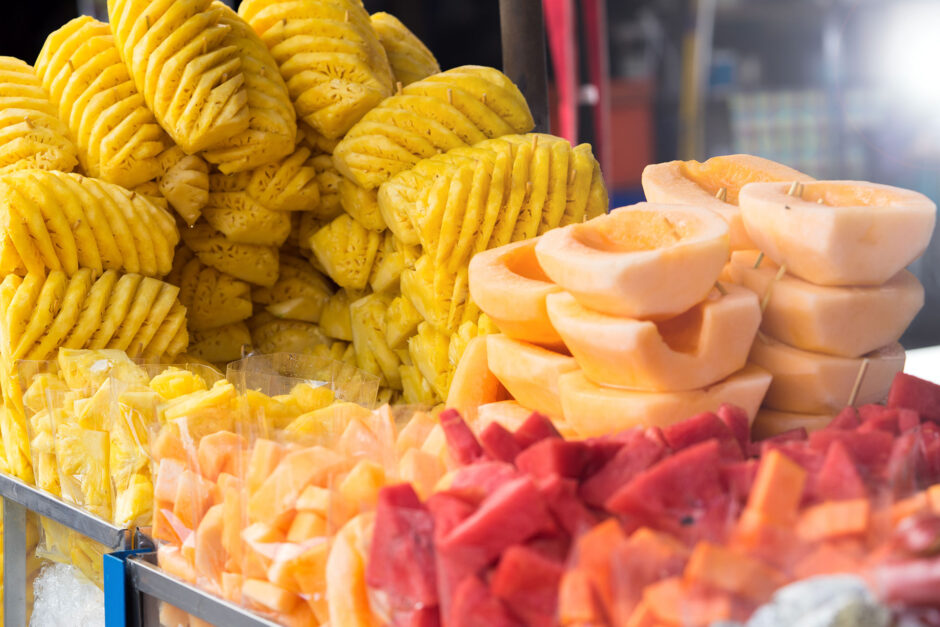
Visit any street food spot anywhere in Thailand, and you’re sure to find vendors with a cartful of peeled and sliced fruits. All juicy colours in full display, with throngs of customers picking up a pack or two for an instant wholesome snack. Thai markets, too, are great to find arrays of fresh tropical fruits, and you can even take a trip to local orchards in city outskirts for a hearty fruits buffet.
Indeed, fruits are so beloved in Thailand that they are a core aspect of Thai cuisine; enjoyed fresh with unique condiments, served as culinary ingredients, as well as preserved and pickled in tasteful traditional methods.
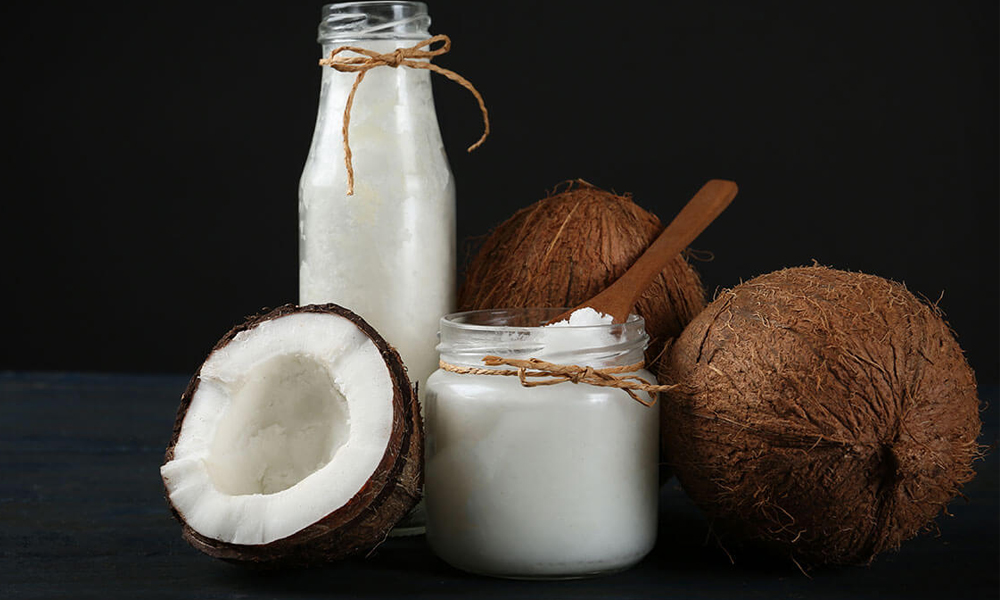
Coconut is one of Thailand’s most important and culturally significant tropical fruits, practically woven into the fabric of Thai culture with its magnificent range of uses, from the trunk and fronds to the fruit itself. In the context of Thai cuisine, coconut water, served straight from its shell or with its tender, chewy coconut flesh, is a refreshing drink in Thailand’s year-round tropical weather; which can instantly cool your senses, or serve as a delightful palate cleansing drink to pair with a meal. Meanwhile, shredded coconut, coconut cream and coconut milk are absolutely essential ingredients in Thai pastries, desserts, as well as a wide range of savoury dishes, particularly Thai curries.
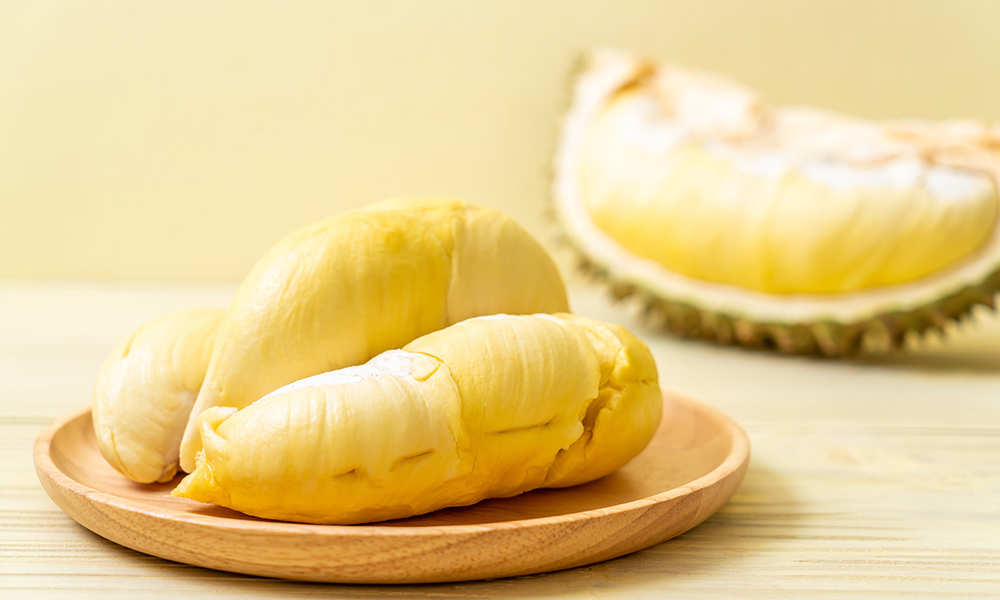
Known as the King of Fruits, the durian’s soft, golden flesh within its thorny shell has a sublime creamy texture and complex sweet flavour. Although the fruit’s strong, pungent scent often makes it an acquired taste for those unfamiliar, durian is widely beloved across Thailand, most commonly enjoyed fresh from the shell, or as a dessert with sticky rice. Durian pulp from abundant harvest can also be preserved by cooking with sugar into a sweet paste, used in Thai pastry fillings, as the flavour base for ice cream, or cooked further with sugar until the paste thickens into a sticky sweet caramel candy.
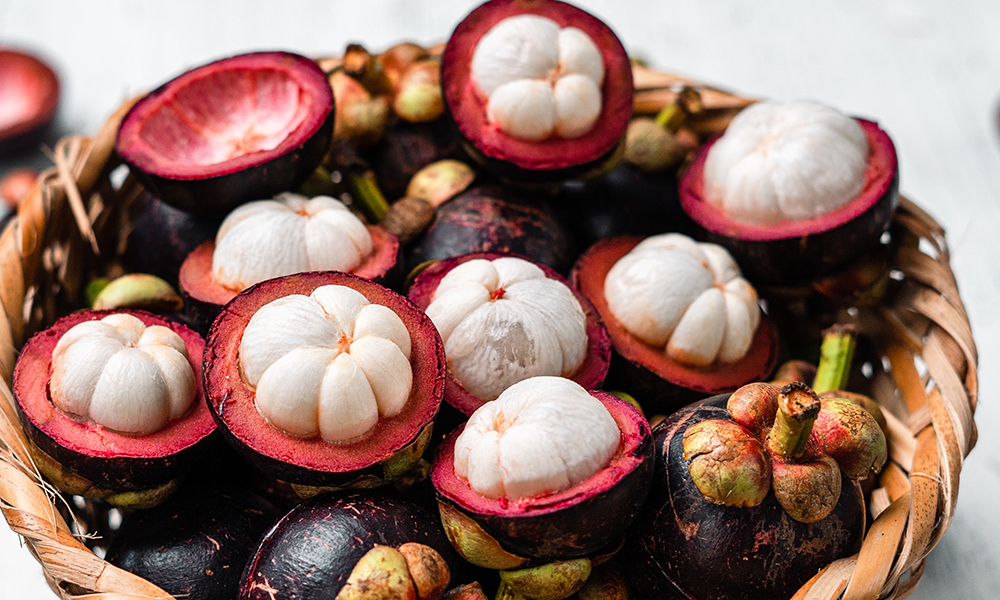
Encased in a thick, firm, dark purple rind crowned by a light green stem, mangosteen has tender, juicy white flesh within. Known as the Queen of Fruits in Thai cuisine, mangosteen has a delicate sweet flavour and subtle tangy aftertaste. Mangosteen is most commonly enjoyed fresh on its own, or paired with durian in fruit buffets. There’s also a traditional delicacy salad that features mangosteen and cooked shrimp dressed with a savoury, fragrant sauce blend.
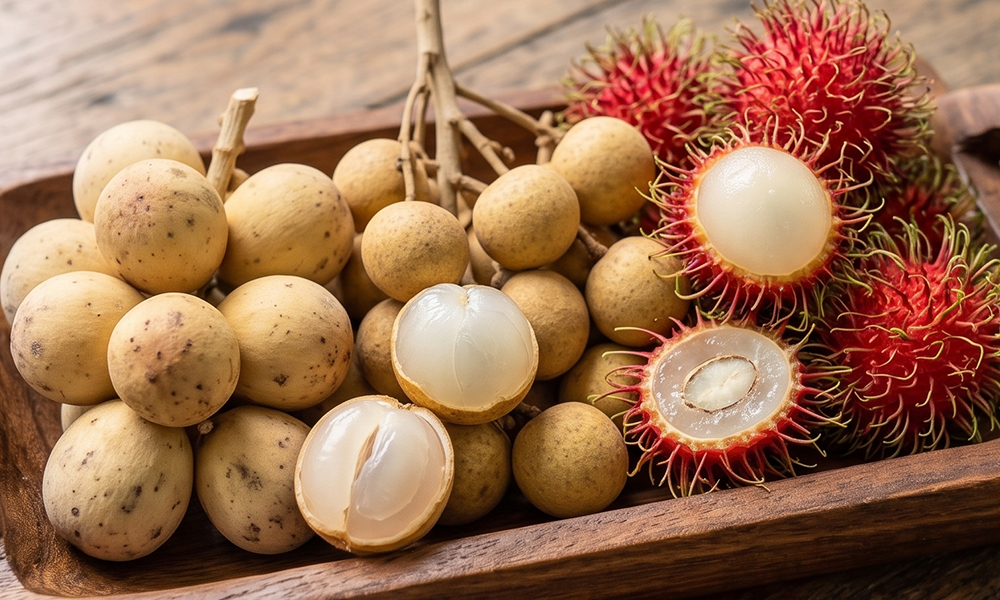
Rambutan, longan and langsat are among the most popular small tropical fruits in Thailand alongside mangosteen. Commonly sold in bundles at markets, to be peeled and savoured fresh, and often shared with friends and family on hot days.
Each of these fruits is distinguished by its unique appearance and flavours: Rambutan is red and hairy outside, with a pleasant floral aroma and thick, bouncy, sweet white flesh. Longan has a thin, light earthy brown skin and firm translucent flesh with a tender chewy texture, bold sweet taste and subtle aroma. Langsat shares a similar light brown skin with Longan, but has a slightly softer and juicier flesh with a tangy-sweet flavour and mild bittersweet aftertaste.
Rambutan, Longan and Langsat are also sometimes featured in Thai desserts to add an extra fruity flavour.
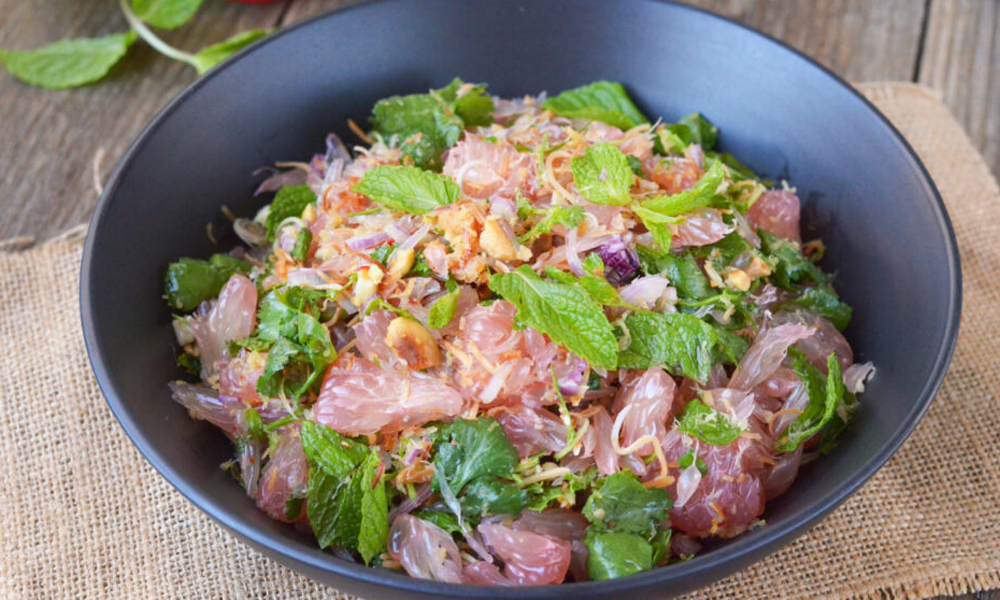
Pomelo is the largest citrus fruit with a thick, spongy green rind that wraps its generous segments of juicy vesicles. These have a soft, bouncy texture, with mild sweet flavour and subtle bitter note. Pomelo is usually enjoyed fresh, or in salads that pair the fruit’s refreshing citrus flavour with fragrant herbs, spicy aromatics, palm sugar and savoury seasonings like dried shrimp and fish sauce.
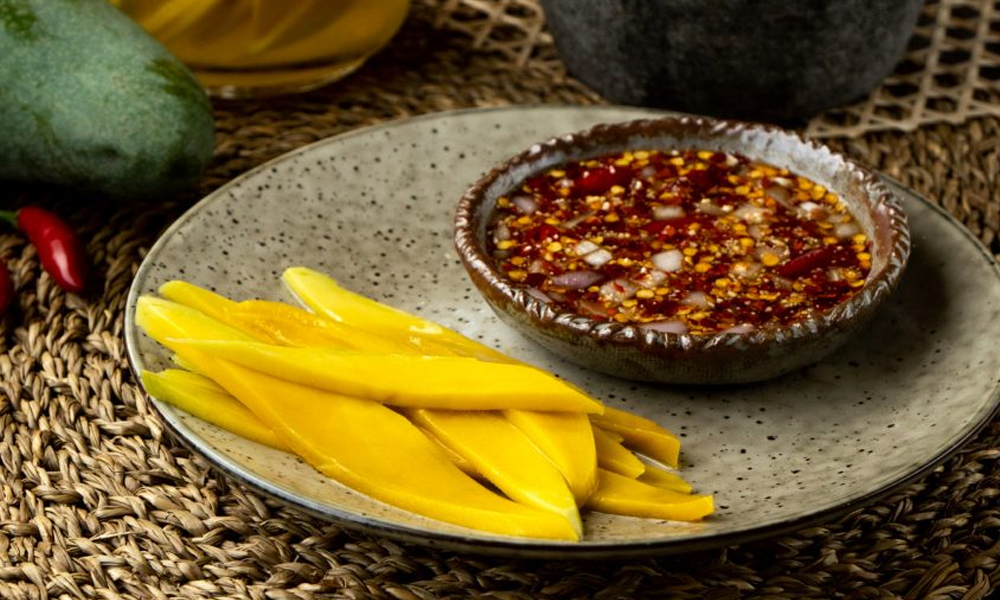
Both unripe and ripe mango are prized in Thai cuisine.
Unripe mango is used for its bracing sour flavour and floral, fruity aroma to balance out the spicy, sweet and savoury flavours common in Thai salads. Another uniquely Thai way to enjoy unripe mango is to flavour the sour fruit with spicy, savoury-sweet dipping sauces such as the Nam Pla Wan – a thick, syrupy sauce made by simmering a blend of palm sugar, dried shrimp, mixed bird’s eye chilli and shallots. Besides that, unripe mango is also frequently pickled with a mix of water, salt, rice vinegar and sugar, which tempers the fruit’s sour punch; resulting in an appetising sweet, tangy and savoury bite.
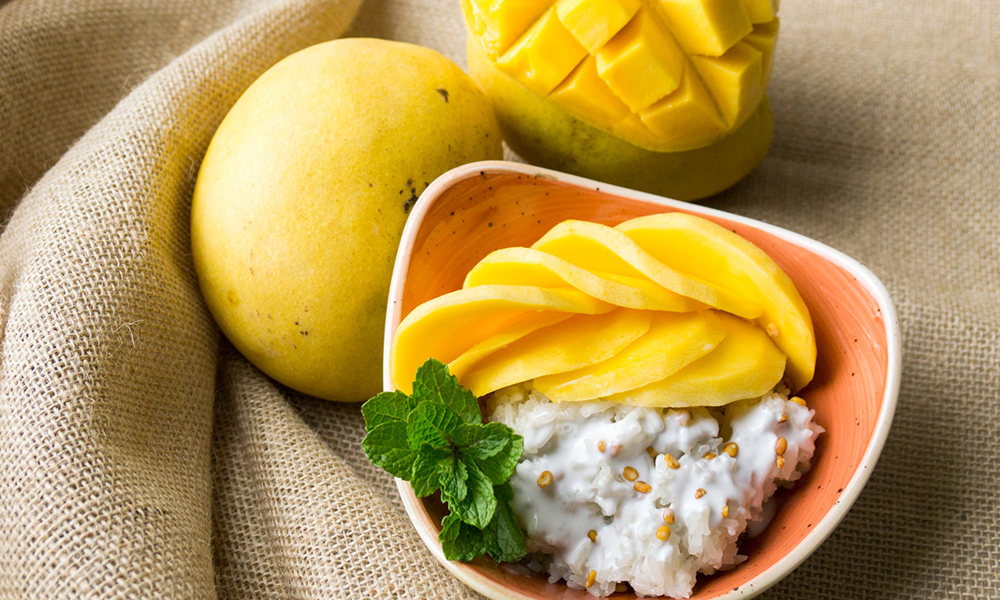
On the other hand, ripe mango is the star of classic Thai fruity desserts like Mango Sticky Rice and Mango Coconut Jelly. The former pairs the mango’s rich fruity sweetness with tender, chewy sticky rice smoothened with coconut cream; while the mango coconut jelly is soft, bouncy treat with a cooling sweet taste.
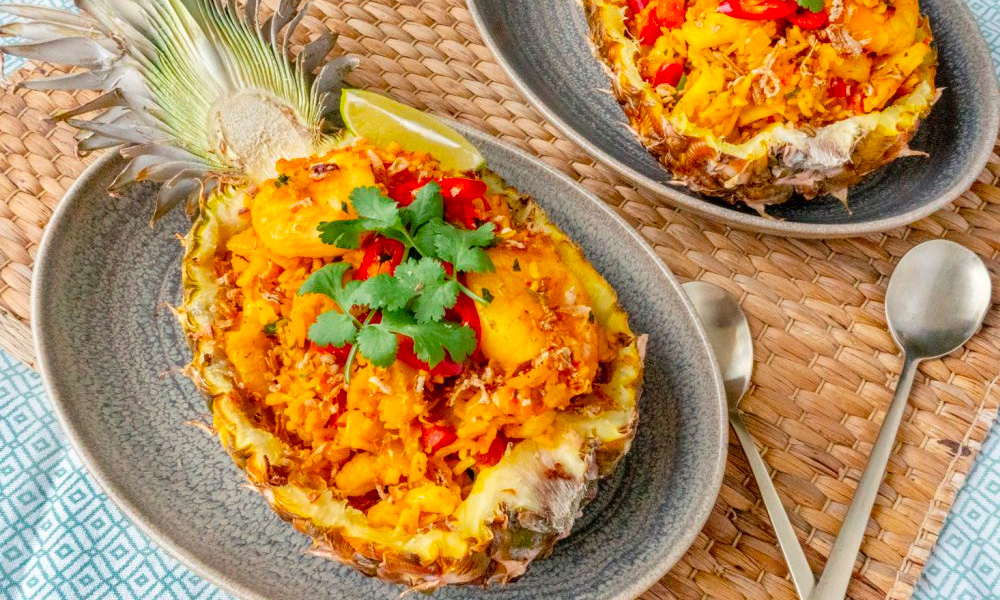
Pineapple is one of the most versatile fruits in Thai cuisine, enjoyed fresh on its own, in sweet desserts, and to flavour savoury dishes. This is thanks to the pineapple’s firm texture that retains its natural juices and aroma even when cooked in intense heat.
The most iconic dish is perhaps the Thai Pineapple Fried Rice, in which the fruit’s sweet-tangy flavour complements the savoury, spicy and aromatic ingredients; creating a multi-layered overall taste.
Similarly, in this Thai-style deep fried fish, pineapple chunks and juice combine with sweet chilli sauce, fish sauce and bird’s eye chilli to make a spicy, tangy and savoury-sweet sauce blend, generously lathered upon the crispy fried whole fish for a fruity and complex flavour.
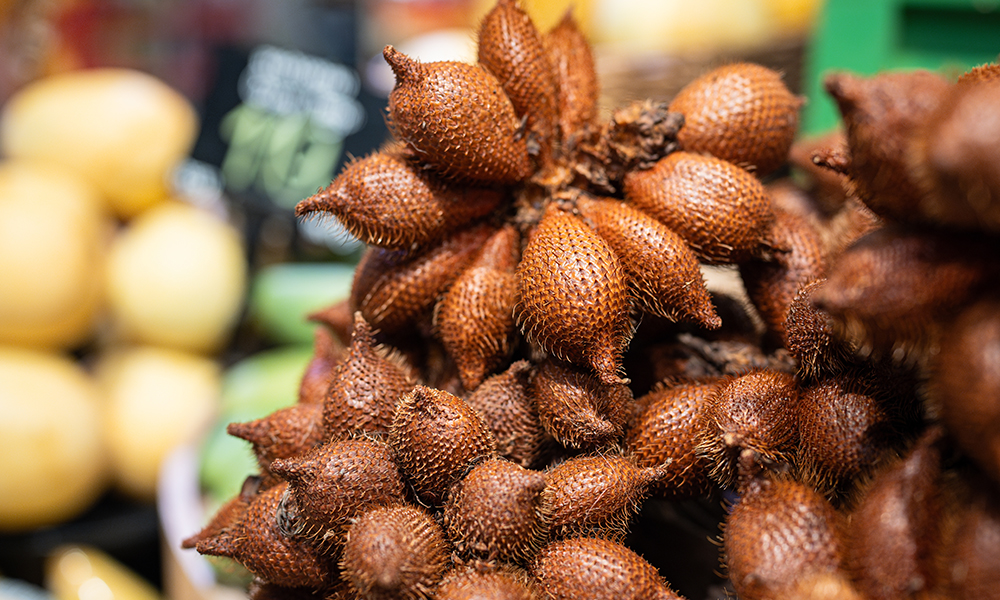
Other popular tropical fruits in Thailand include guava, toddy plum, rose apple, banana, cotton fruit, snake fruit, and more. They are typically enjoyed fresh or with a variety of unique seasonings and dipping sauces like Nam Pla Wan, as well as these classic flavours:
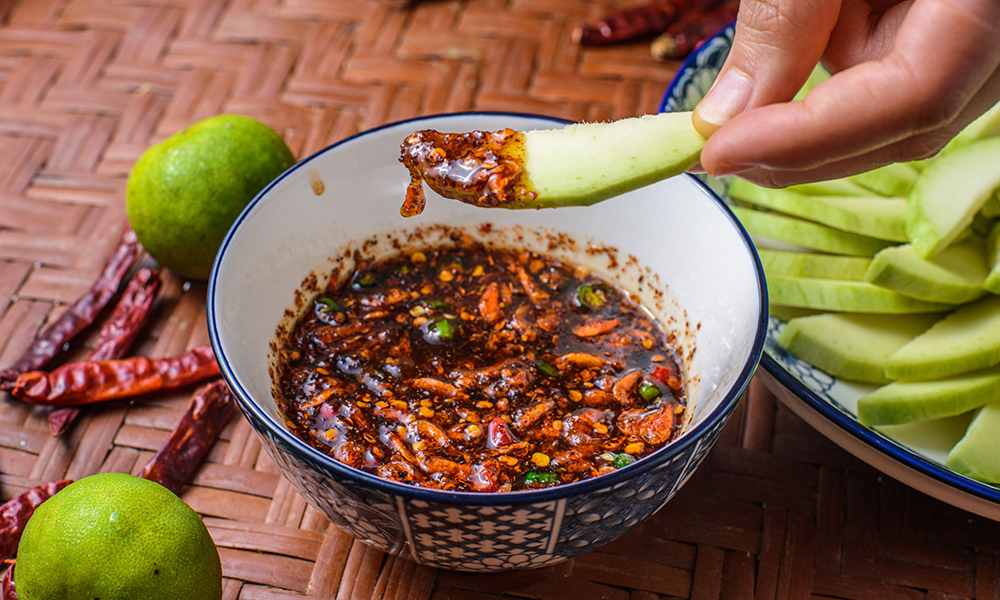
Kapi Wan, a sweet, spicy sauce made of chilli, roasted shrimp paste and palm sugar.
Prik Glua, a blend of sugar, salt and chilli.
Loy Kaew, a sweet sugar syrup infused with floral, aromatic ingredients such as Jasmine, Pandan or star anise, and chilled with ice-cubes.
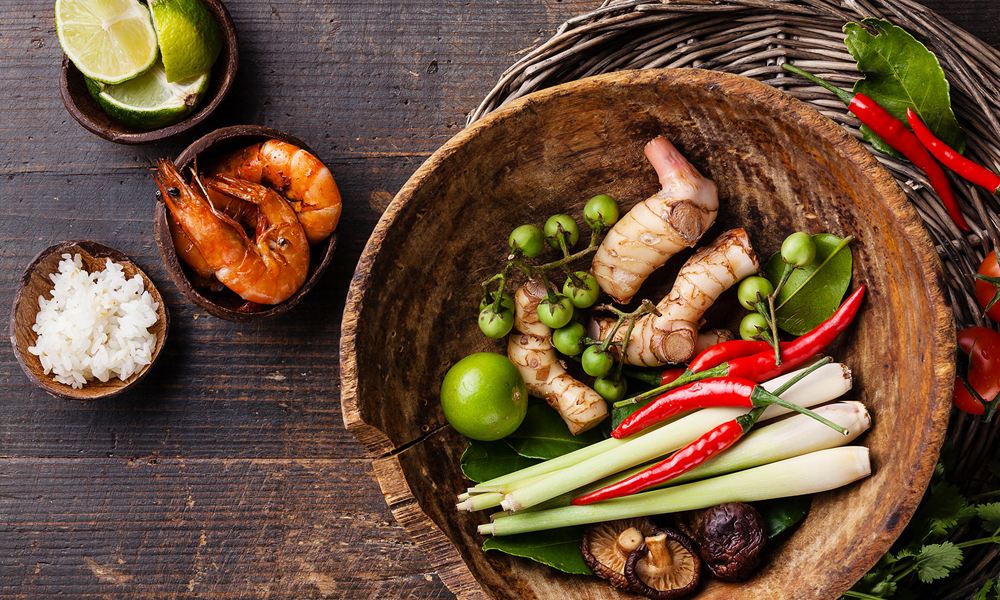
Craving for more delicious Thai flavours? Come check out our expansive collection of Thai recipes, from snacks and desserts to exquisite meal dishes! New to Thai cooking? Come discover the essential ingredients you need to cook up your homemade feast of Thai delights!
Discover how you can use traditional Japanese miso, panko breadcrumbs and matcha to create yummy modern delights!
Make and savour the best homemade deep-fried foods with our handy guide!
Come discover how leaf-wraps give Asian steam-cooked foods an extra tasty touch and other unique benefits!