
Doubanjiang: The Soul of Sichuan Cuisine
Meet the spicy chilli bean paste that defines the zingy, savoury core of Sichuan cuisine.
Discover the authentic in Asian cuisine food
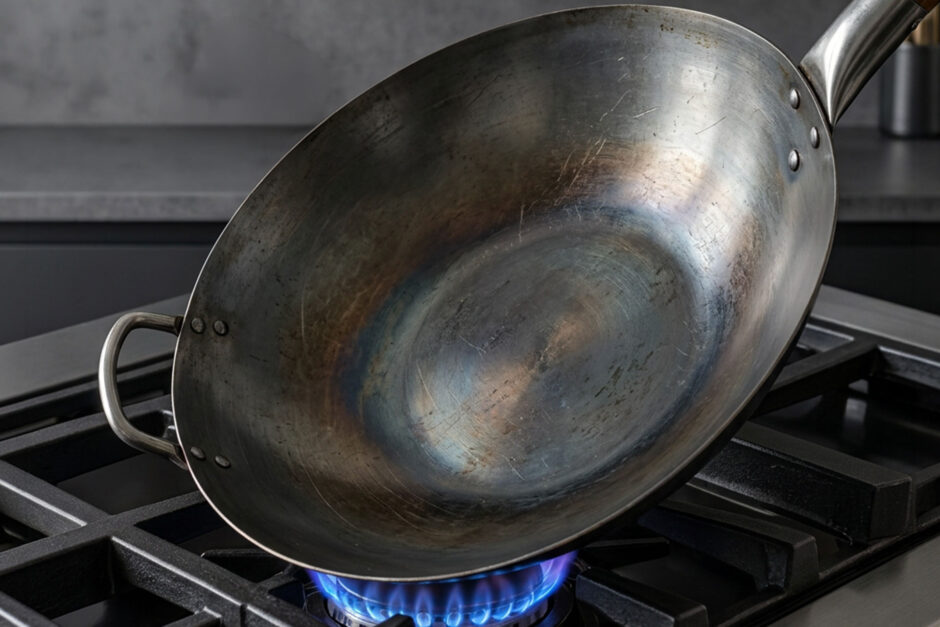
Ubiquitous on Asian stoves, and probably essential in your own kitchen too, the wok is arguably the ultimate cookware that’s durable, versatile, and performs better the more you cook with it. The carbon steel wok is the best kind, as the material allows it to conduct heat fast and evenly across its cooking surface. A well-seasoned carbon steel wok develops a non-stick patina that makes cooking easier, and can also help you achieve ‘Wok Hei’ in your cooking: the wok’s ‘breath’ that imbues stir-fried dishes with an alluring lightly charred aroma like no other.
Proper care can let your wok last for decades and even a lifetime. So, let’s get into how you should season and maintain your wok.
A newly bought carbon steel wok needs to be cleaned and seasoned before its first use. Seasoning will also give the carbon steel material a protective coating that can help avoid rust. After this initiation for your new wok, regular cooking will continue to season it over time, building up a darkened, non-stick surface.
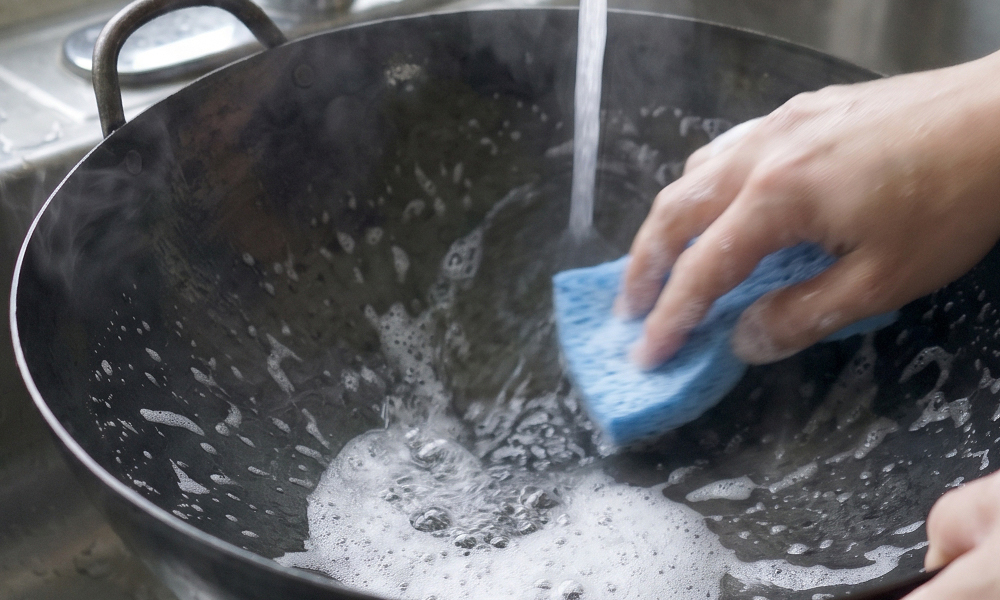
Step 1: Gently scrub and wash the wok with warm soap water. Rinse and dry it thoroughly with a napkin or paper towel.
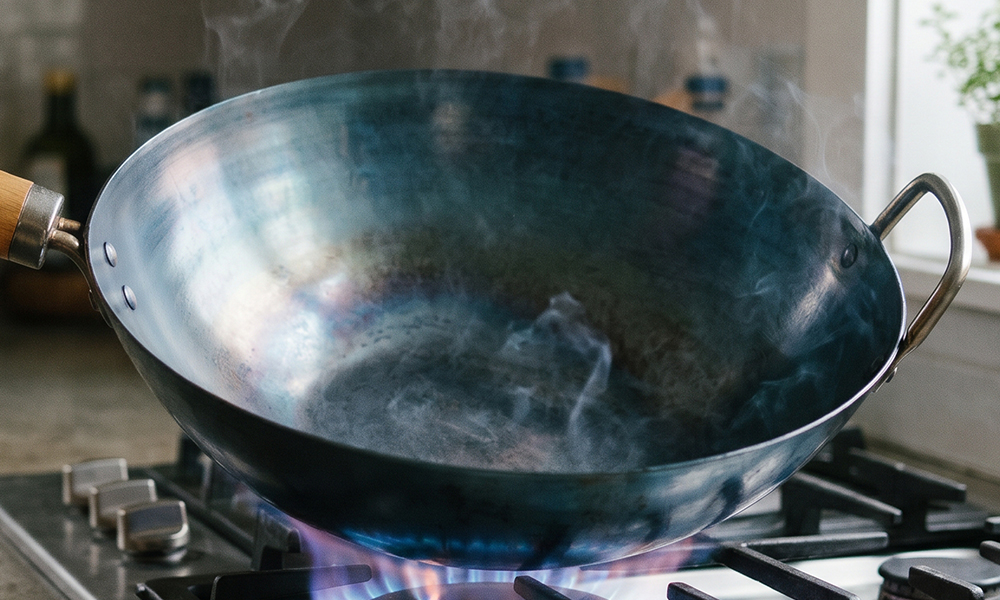
Step 2: Set your stove to high heat setting, and heat up the wok. The colour will turn a dark tinge, and the wok may start to smoke. This is the protective oil or a coating applied during manufacturing burning off. Tilt and rotate the wok upon the fire to ensure the entire surface is piping hot (be mindful the wok will be very hot to touch, handle with care). Then let it cool on the stove.
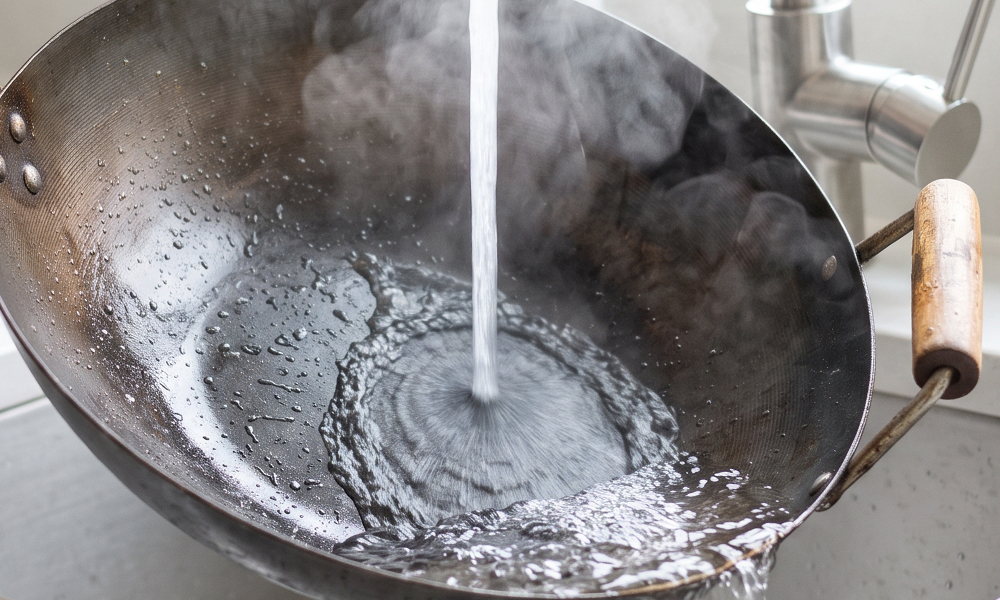
Step 3: Give the wok another quick rinse and dry. Then return it to the stove, and heat it up on medium setting.
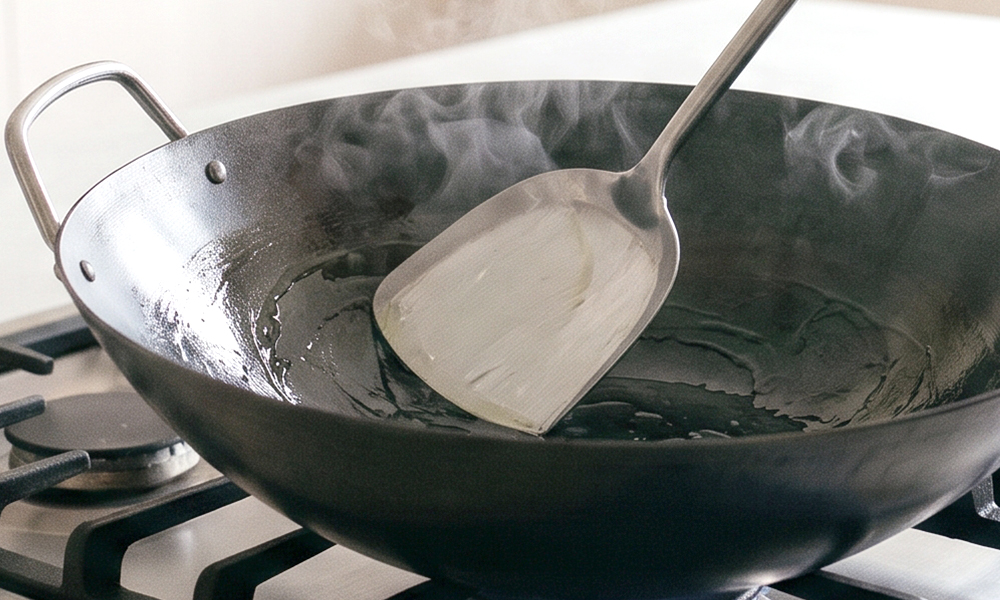
Step 4: Add a dash of cooking oil with a high smoke point, and spread it upon the wok’s surface. Tilt the wok as you heat it to ensure the oil forms an even coating. Continue heating until the oil begins to smoke lightly, allowing it to polymerise and form the wok’s initial seasoning layer.
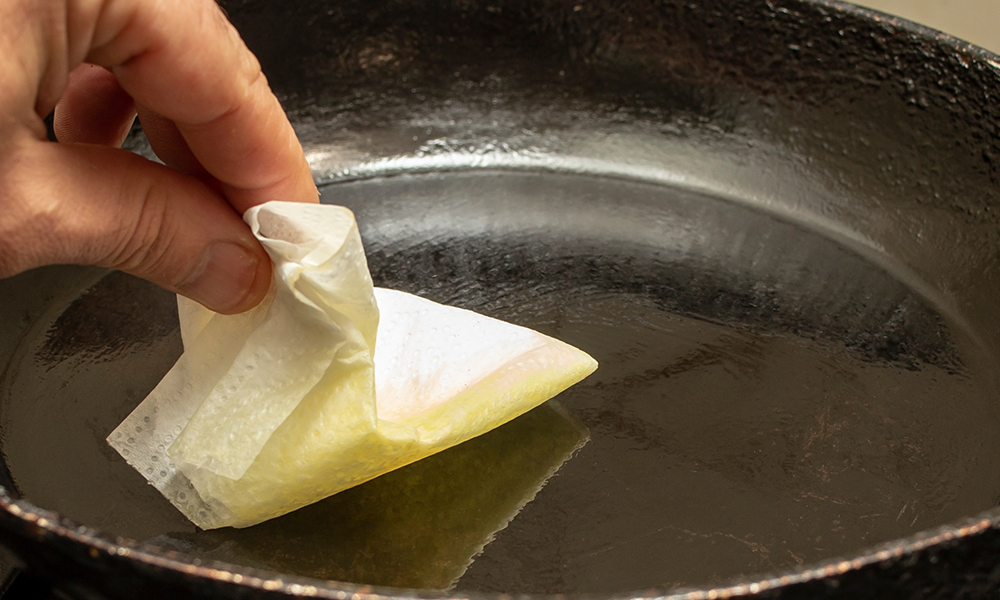
Step 5: Switch off the heat on your stove, let the wok cool down once again, then wipe down the surface to remove any excess oil.
Keeping your wok in good condition is vital for its longevity and ensures proper cooking. So be sure to practise the following for regular wok-care.
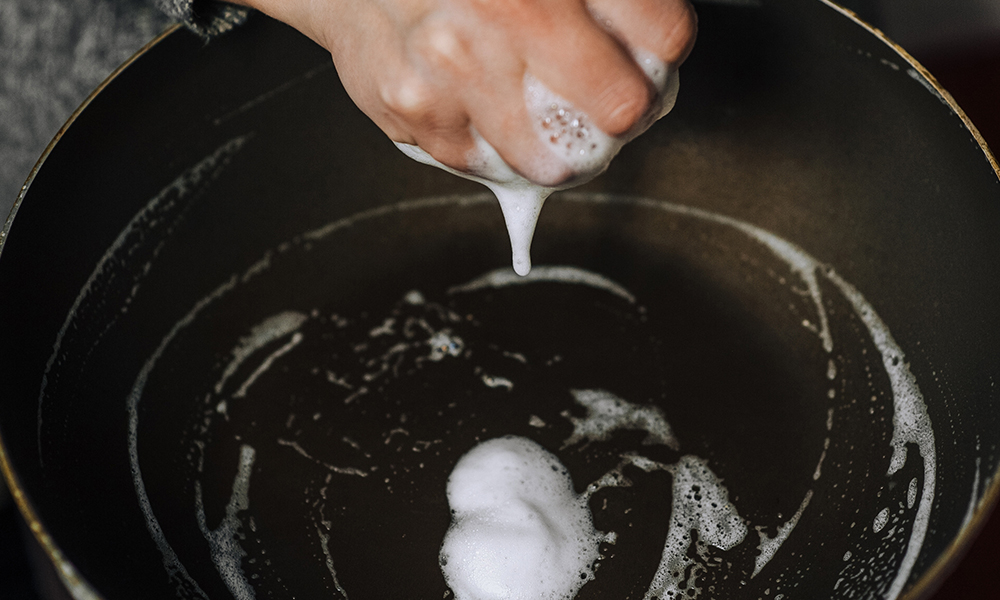
Cooking will inevitably turn your wok greasy, leave tiny crumbs or crusted sauce bits. This can affect the flavours of your next dishes, so it’s best to give your wok a gentle scrub with warm soap water after every use.
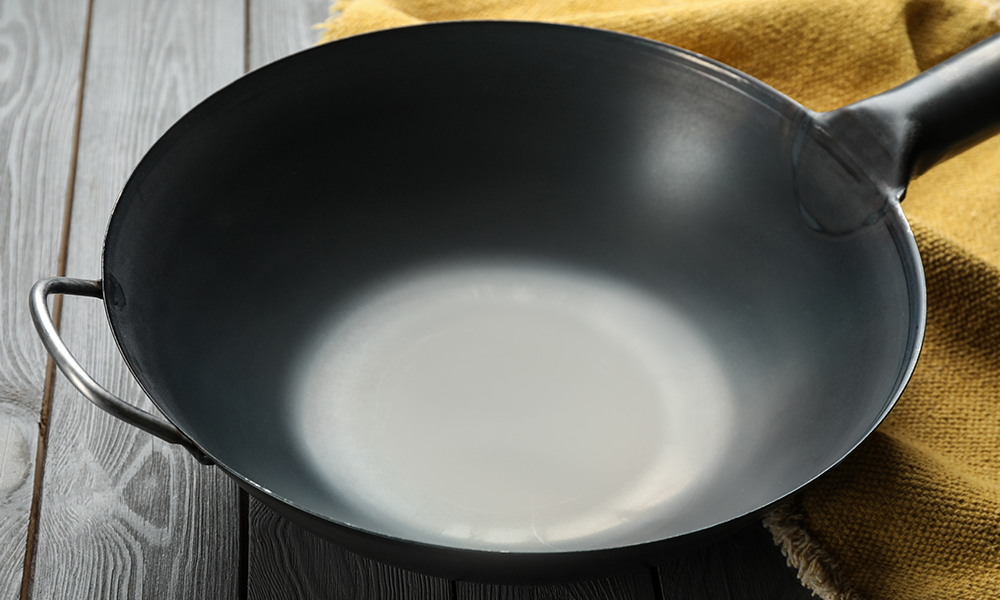
To avoid rust, dry your wok completely after every wash. Wipe it down, then heat it up on the stove to remove residue moisture. Re-heating your wok can also clear off the lingering flavours that may affect subsequent dishes, especially after cooking strong-flavoured ingredients.
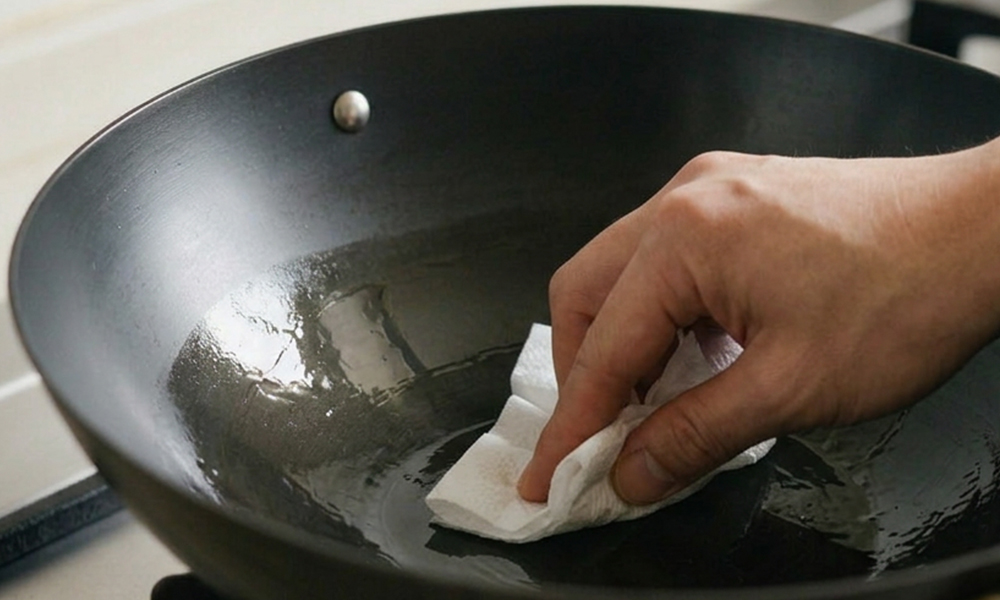
Once the washing and drying is done, give your wok a fresh protective coating. Put a dash of cooking oil on the wok’s surface and wipe it evenly with a paper towel until you get a light sheen.
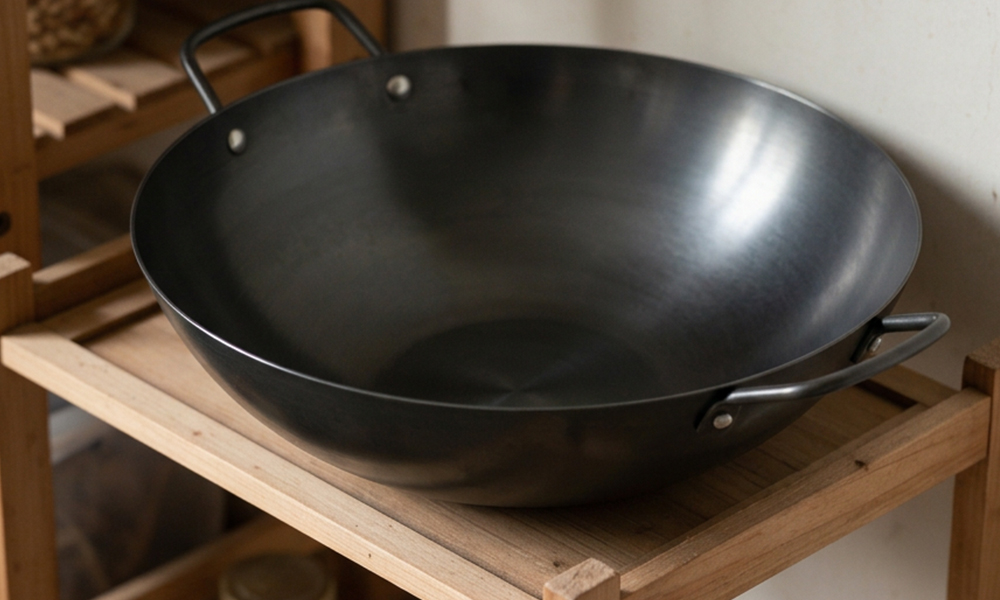
Ambient moisture can also lead to rust in your wok over time, so be sure to store it in a dry area of your pantry.
Stir-fried dishes are best made with a wok, as the high heat is channeled evenly and effectively to cook your food fast, while accentuating your ingredients’ natural flavours, and infusing the aromatics and sauces.
Here are 4 stir-fried treats to start off your wok-cooking experience!
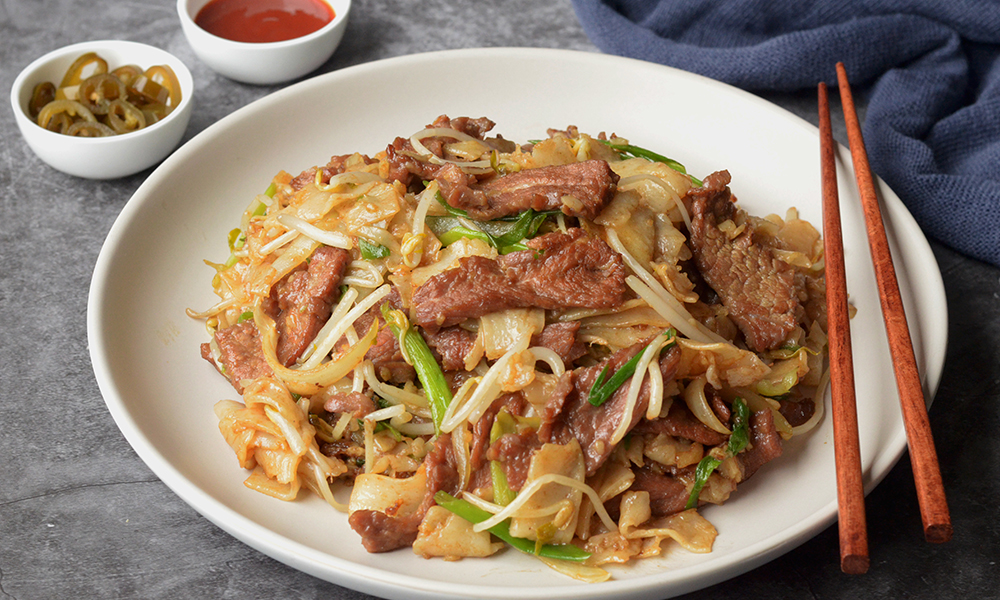
Stir-fried flat rice noodles can instantly absorb the flavours they’re cooked with, and are among the street food favourites of Chinese cuisine. Tasty and satisfying with meat, seafood or veggie toppings. Come savour a Chinese stir-fry that is full of wok hei, stirred with scrumptious savoury marinated beef, crunchy bean sprouts and refreshing spring onion. A comforting, hearty delight!
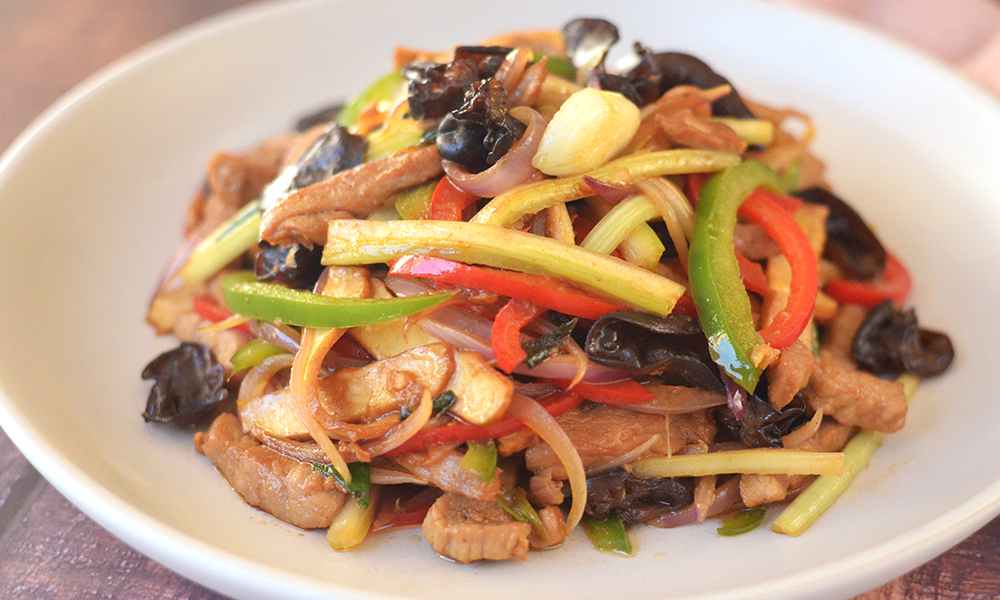
A specialty dish of Chinese Anhui cuisine, the Sanhe Stir Fry packs tender, juicy lean pork strips with capsicum, celery, firm tofu, earthy wood ear mushrooms and spring onion into one satisfying meal dish with rice. Flavoured with light soy sauce, dark soy sauce and oyster sauce for a fantastic savoury flavour depth. A great addition to your home-cook repertoire.
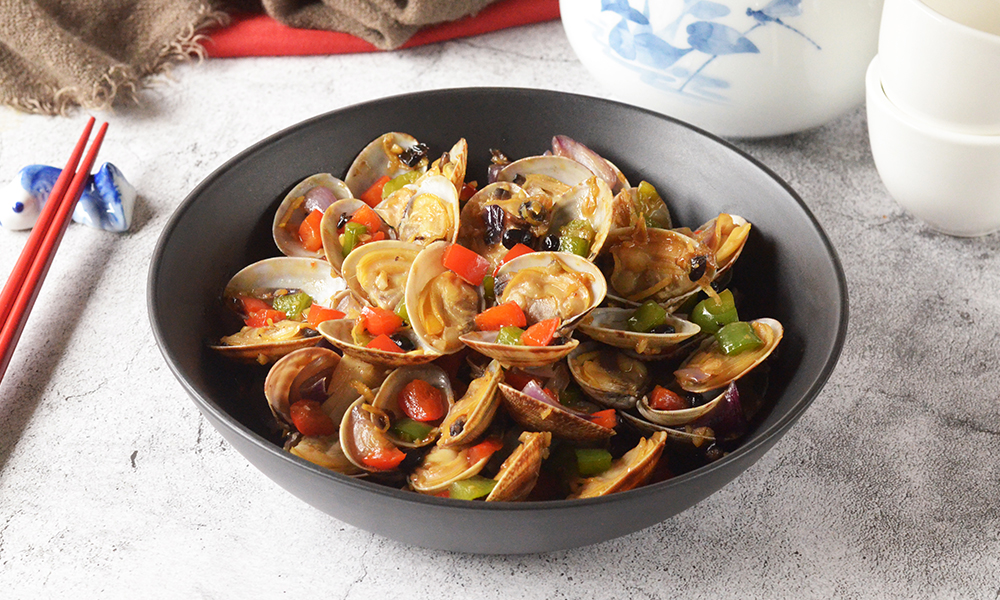
Chinese fermented soy beans have a nutty, earthy and savoury kick, smoothened and enriched with light soy sauce, oyster sauce and Shaoxing Wine to flavour this umami stir-fried clams. Accompanied by soft, crunchy capsicum and aromatised with garlic, ginger, shallot and spring onion. A fabulous treat that pampers your tastebuds.
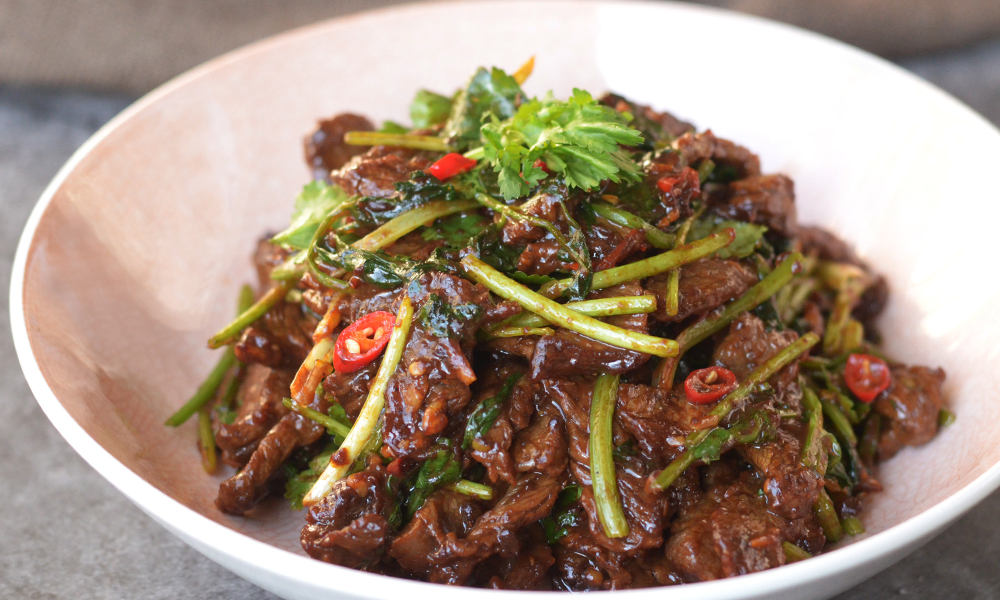
Fragrant, refreshing coriander is especially prized in Chinese Xiang cuisine, used to give stir-fried dishes a tantalising aroma that pairs great with spicy ingredients. In this iconic beef stir-fry, savoury sauces, zesty bird’s eye chilies and heaty Sichuan peppercorns make up the spicy, umami-rich flavour, while the generous coriander garnish uplifts the dish with a mouth-watering aroma. Try it with our recipe!
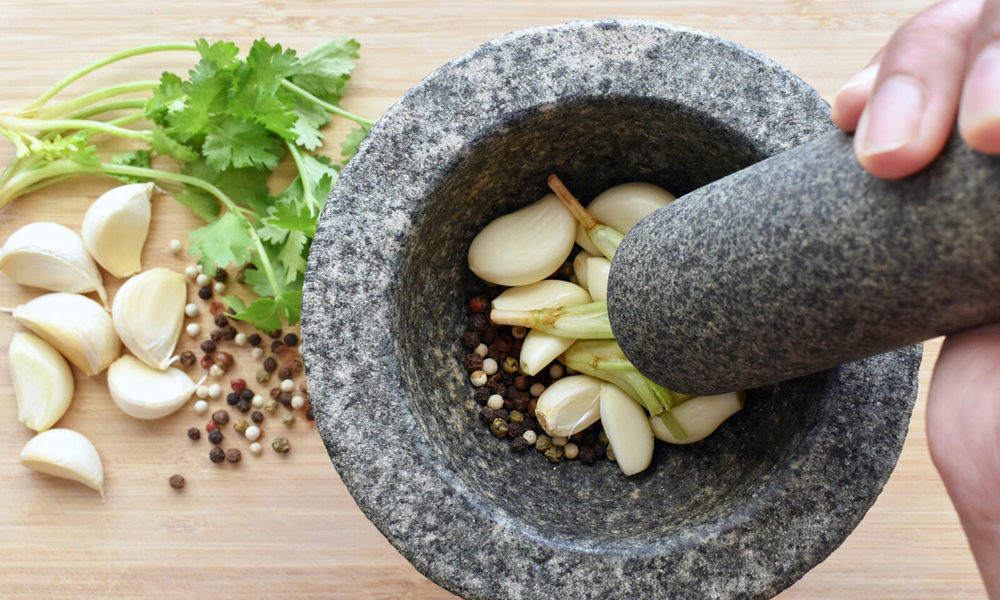
From trusty traditional staples to handy modern inventions, Asian cookware are great to make cooking easier, and let you explore new tasty flavours to add to your home-cook menu. Come learn more about the mortar & pestle, rice cooker, bamboo steamer, slow-cooker, and air-fryer, with easy tips to make the best of them!
Meet the spicy chilli bean paste that defines the zingy, savoury core of Sichuan cuisine.
Discover how you can use traditional Japanese miso, panko breadcrumbs and matcha to create yummy modern delights!
Make and savour the best homemade deep-fried foods with our handy guide!
-300x200.jpg "Traditional Japanese Ingredients in Tasty Modern Wonders")