
-300x200.jpg "Traditional Japanese Ingredients in Tasty Modern Wonders")
Traditional Japanese Ingredients in Tasty Modern Wonders
Discover how you can use traditional Japanese miso, panko breadcrumbs and matcha to create yummy modern delights!
Discover the authentic in Asian cuisine food
Herbs and spices can accentuate the flavours of meats, seafood and veggies, balance the overall taste of your dishes, impart tantalising aromas, and give a lovely, yummy boost to your cooking. In Asian cuisines, their uses also expands into desserts and drinks to create exotic and refreshing delights that may surprise your tastebuds!
Here are 6 uniquely flavourful aromatics in Asian desserts and drinks:
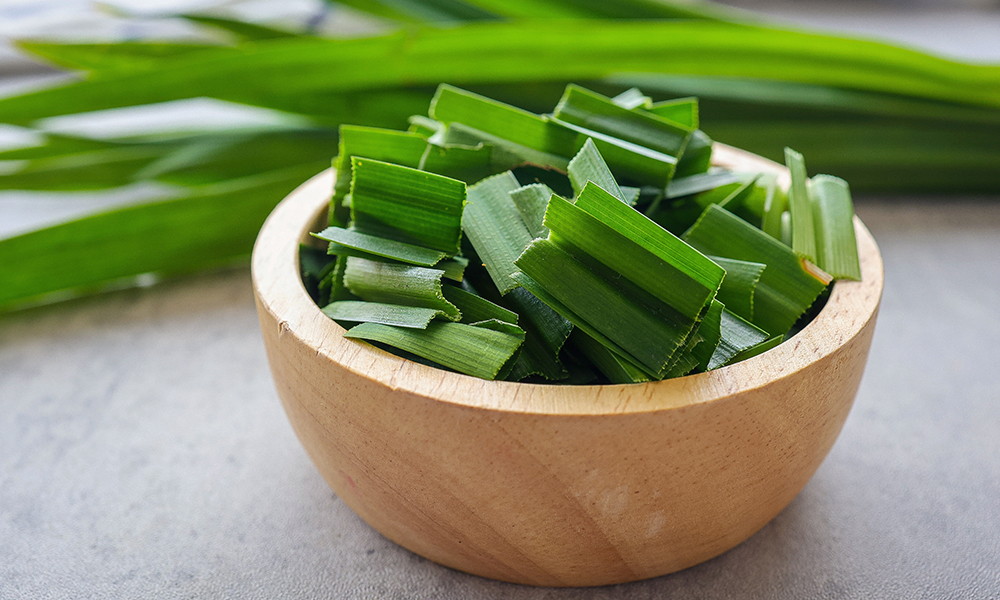
The vanilla of Southeast Asia, Pandan is a tropical plant with long, blade-like leaves that exude a natural sweet aroma. The flavour is tender, delicate and pleasant, perfect for dessert-making. To use, the leaves can be cut, tied into a knot and simmered to infuse flavour, or blended and strained to extract their fragrant green juice. Pandan is often combined with coconut milk to flavour Southeast Asian cakes, jellies, sweet soups, bite-sized pastries and more. On its own or sweetened with sugar, Pandan juice also makes a cosy, refreshing drink. Come check out our massive collection of tasty treats you can make with Pandan!
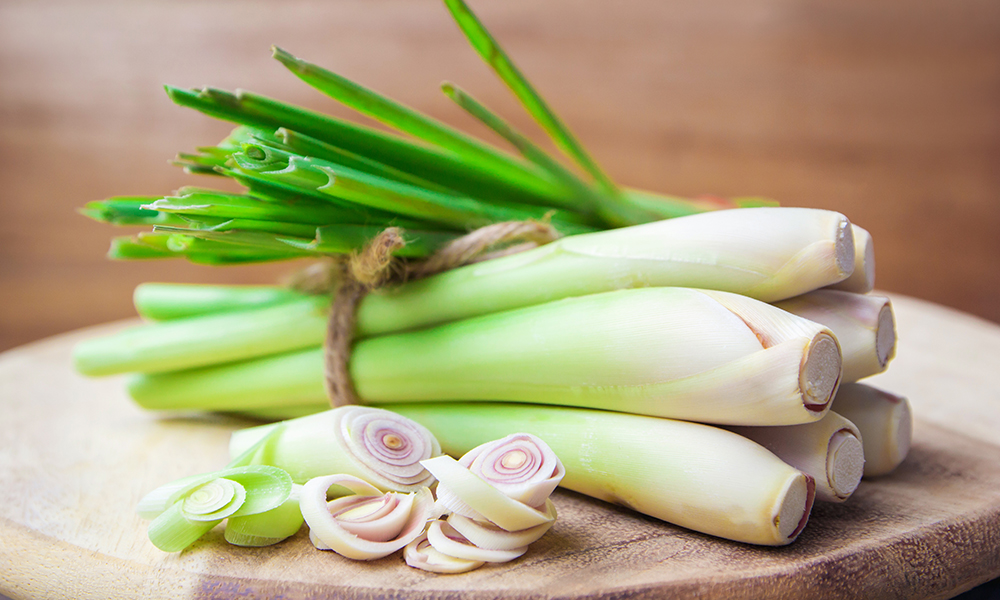
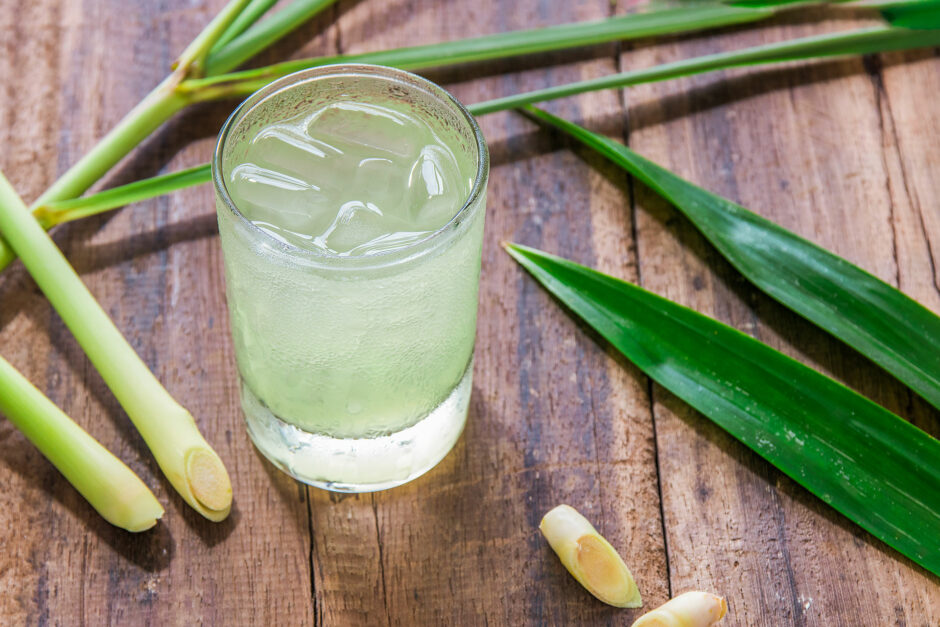
A pantry essential in Thai and Vietnamese cuisines, lemongrass has a refreshing citrusy, minty aroma that deepens when heated, and easily blends with almost any ingredient. Typically, the stems are cut short for soups and simmers, finely chopped for stir-fries, or pounded with other aromatics into flavouring pastes with mortar and pestle. Similar to Pandan, you can also boil and steep lemongrass for its extract to make a refreshing drink with Yuzu, and give your cakes, jellies, and other desserts a splendid lemony aroma!
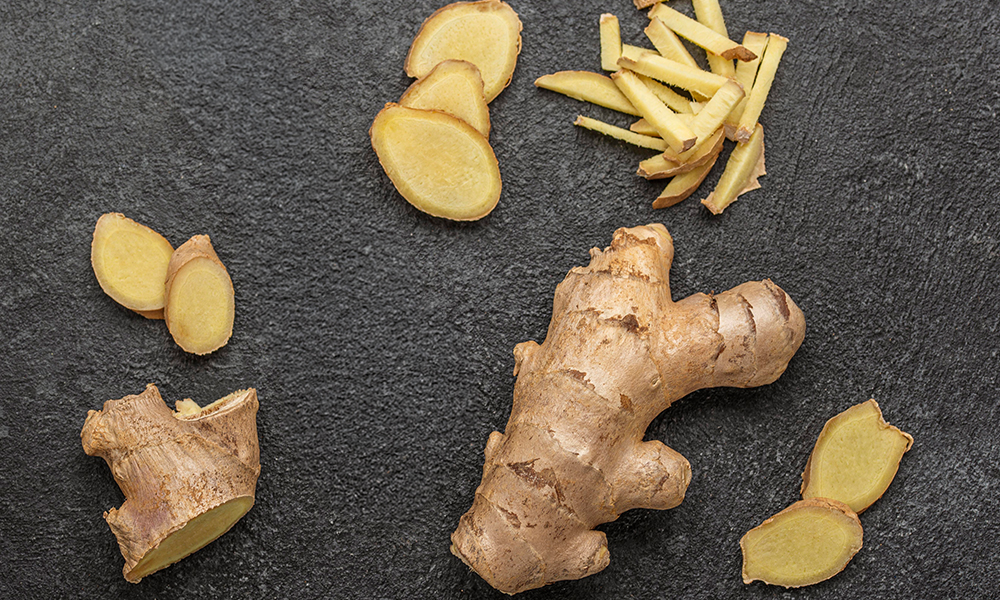
The warm and zesty rhizome that needs no introduction, ginger is among the most ubiquitous aromatics used across all Asian cuisines and around the globe. For Asian desserts and drinks, ground ginger and sliced ginger is often simmered to release the earthy heat and soothing spicy aroma, most commonly used to give sweet dessert soups a warm base flavour. Ginger tea is also a traditional remedy drink in Asian cultures. In Southern China, candied ginger is a beloved dessert, made from a crystallized syrup of sliced ginger with water and sugar.

Native to South Asia and spread across the world since ancient times, cinnamon is a prized aromatic, harvested from the inner bark of its tree stump, dried and cut into sticks or finely ground into a brown-red powder. It’s among the core components of Chinese Five Spice Powder, distinguished by its warm, woody, bittersweet and spicy aroma that can elevate meaty dishes. In Asian dessert-making, cinnamon imparts a rich, comforting note to cakes, cookies, and confectionaries. It’s also a flavour enhancer for the red bean paste filling in the traditional Korean Gyeongdan sweet rice cakes, soft and crunchy Taiwanese pineapple rolls, Southeast Asian pineapple cookie tarts, and crispy sweet Japanese Yatsuhashi crackers.
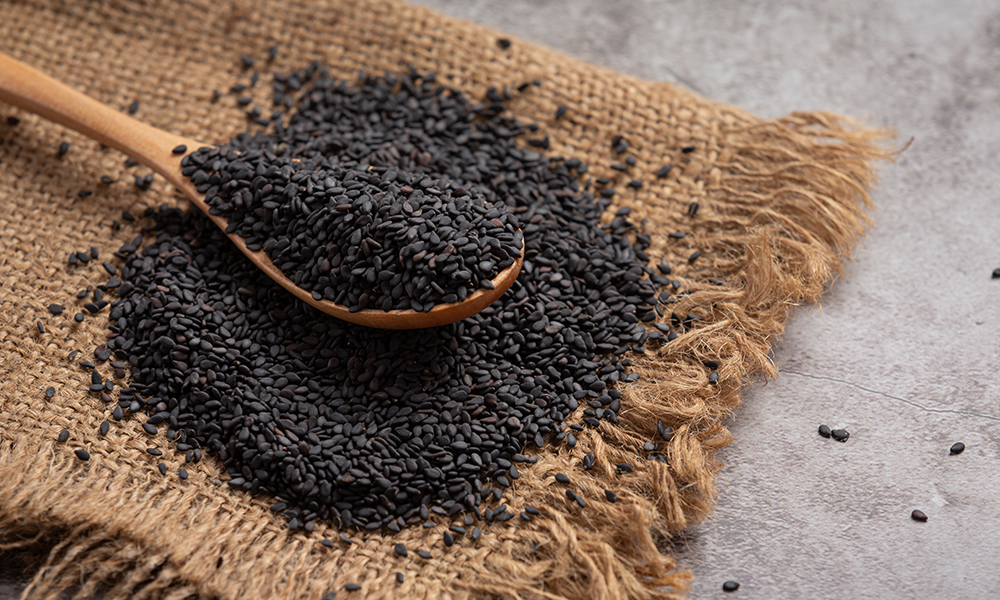
Black sesame seeds are sesame seeds with their hulls still intact, which gives them a firmer texture, and a richer, nuttier flavour than white sesame seeds. When toasted, they develop a bold aroma with earthy and bittersweet notes. Beloved as a traditional filling ingredient for Chinese and Japanese desserts to blend and balance with sweet flavours. The black sesame mochi and Dango dumplings are classic Japanese pastries, while the black sesame Tang Yuan dumpling soup is a festive fave for Chinese Lunar New Year celebrations. There’s also a crispy fried Tang Yuan snack with black sesame filling, and this marvellous black sesame ice cream for you to savour!
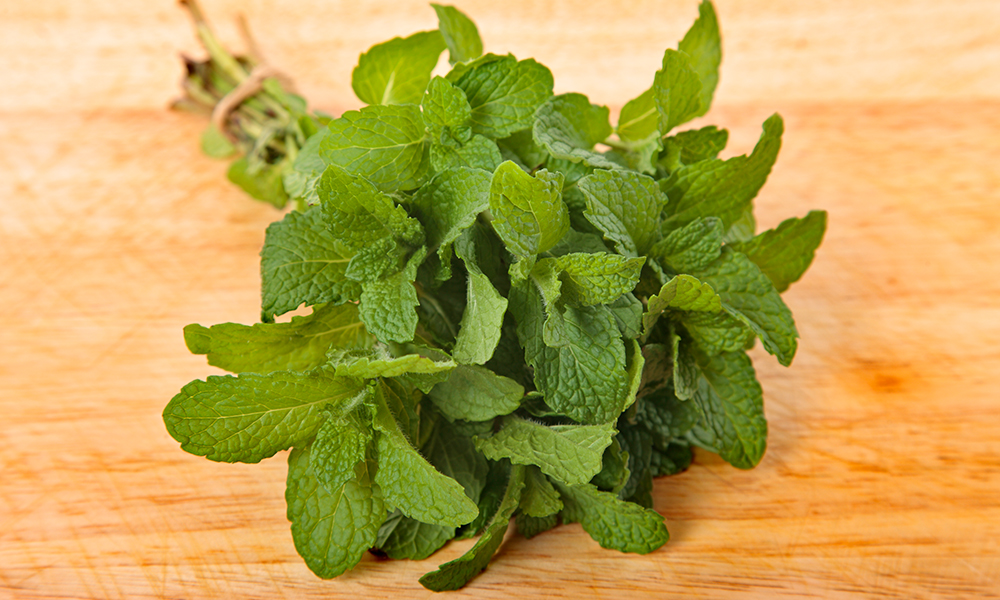
The cooling, herbaceous freshness of mint leaves is typically enjoyed as a garnish for Asian dishes, drinks and desserts, giving them a vibrant pop of colour and lingering aroma. Great to pair with fruity flavours like the Thai mango coconut pudding and jelly, the milky sweet sago and cantaloupe dessert soup, or this Japanese plum wine granita delight!
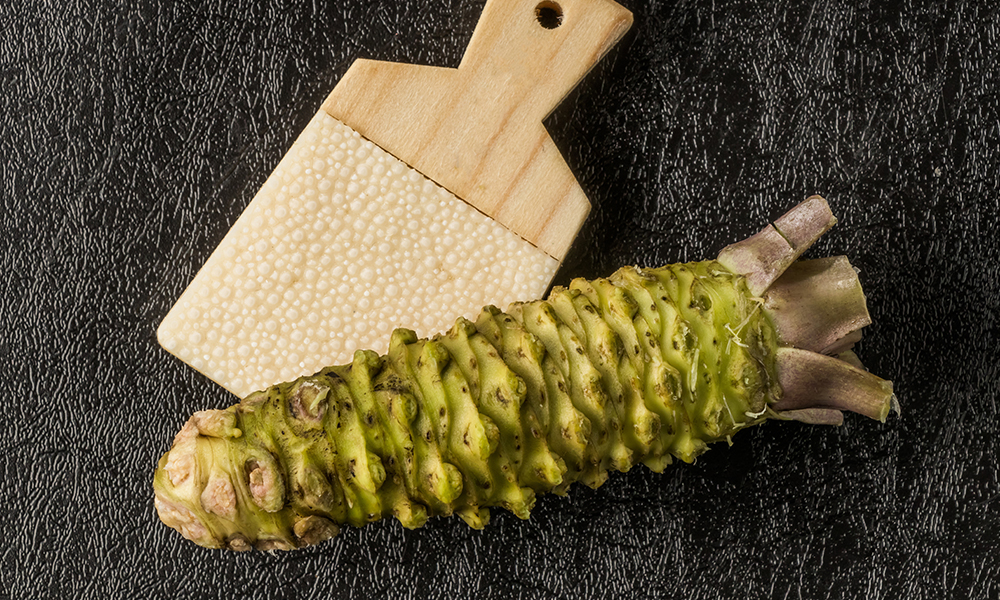
Yes, the bold, pungent heat of wasabi is not just a must-have for sushi, but also a widely popular Japanese dessert and drinks flavour that blends surprisingly awesome with sweet and tart flavours! Enjoyed in all kinds of goodies from cakes and confectionaries, to sorbet, cocktails, and even ice-cream. Come try our special homemade wasabi ice cream recipe!

Asian herbs and spices can turn almost any dish into an exceptional yummy treat that pleasures, excites, and comforts. Come check out our list of 20 herbs and spices you should add to your pantry!
Discover how you can use traditional Japanese miso, panko breadcrumbs and matcha to create yummy modern delights!
Make and savour the best homemade deep-fried foods with our handy guide!
Come discover how leaf-wraps give Asian steam-cooked foods an extra tasty touch and other unique benefits!