
-300x200.jpg "Traditional Japanese Ingredients in Tasty Modern Wonders")
Traditional Japanese Ingredients in Tasty Modern Wonders
Discover how you can use traditional Japanese miso, panko breadcrumbs and matcha to create yummy modern delights!
Discover the authentic in Asian cuisine food
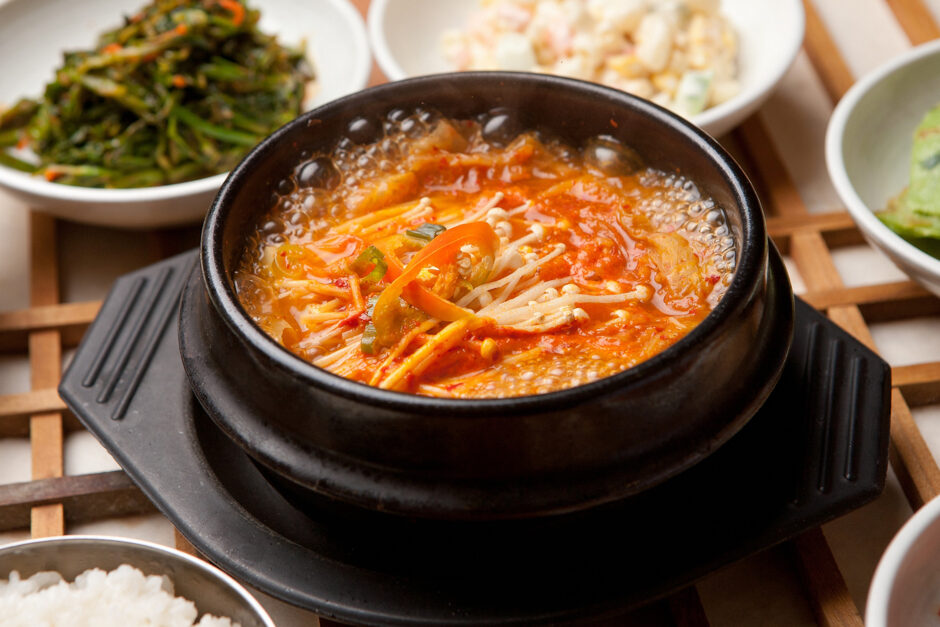
There’s a soothing energy that comes with every sip of a hot, sumptuous stew. From the layers of bold flavours that whet your appetite to the lingering warmth, a great stew can instantly calm the senses and even uplift your mood. In Korean culture, stews are among the core communal dishes, integral to fostering bonds between loved ones through shared meals.
Known as Jjigae, these Korean stews are traditionally served in black earthenware bowls that keep warm throughout the meal, featuring a bold complex flavour as well as a generous portion of nutritious goodies, made into tender, satiating morsels.
Korean restaurants would offer a range of Jjigae stews in their menu, alongside Guk and Tang options. While they may all look like soupy delights, Jjigae, Guk and Tang are actually distinguished by their cooking methods, flavour profiles and roles in a traditional Korean meal.
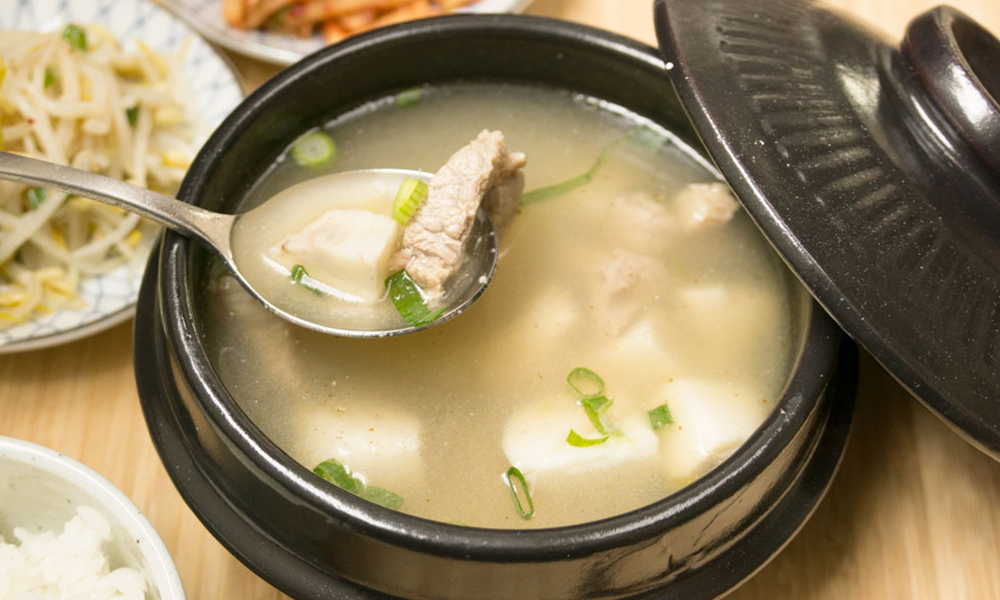
Guk refers to Korean soups that are generally lighter and more broth-focused, often featuring simple wholesome ingredients, and mild savoury flavour. They are commonly served alongside rice, meaty main dishes and the array of Banchan sides in a full table meal, acting as a palate cleanser between bolder flavours. The Toran Guk taro soup is a fine example.
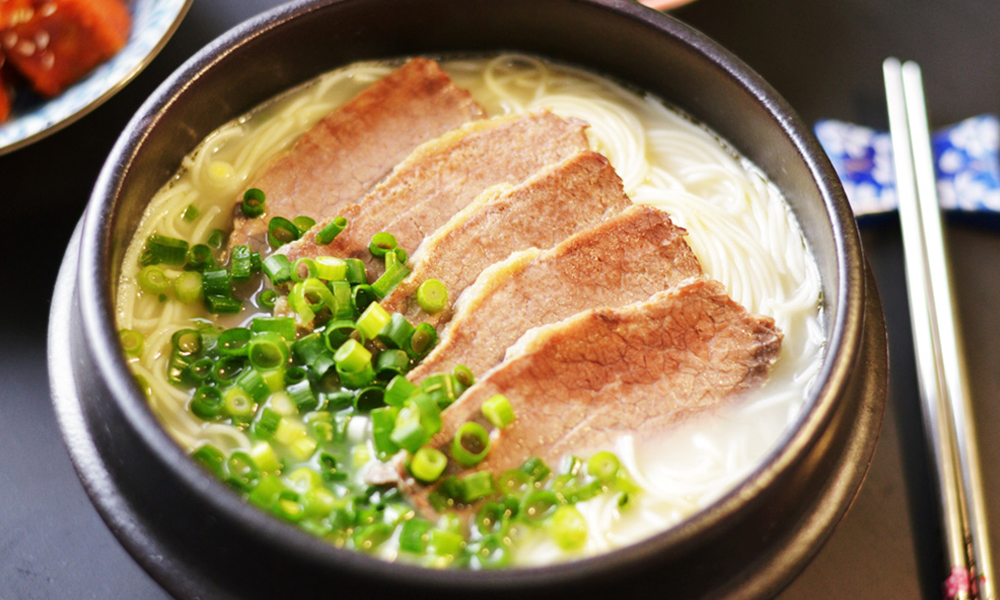
Tang are rich Korean broths made from long, slow simmers of meat and bones for a thick, creamy texture and deep umami base flavour, uplifted with simple seasonings like salt and pepper. Tang are also sumptuous with meaty and chunky bites to relish with the soup, and can serve as the main dish in a shared meal. The sublime Milky Beef Bone Soup (Seolleongtang) and richly herbaceous Ginseng Chicken Soup (Samgyetang) are two of the most beloved Tang specials.
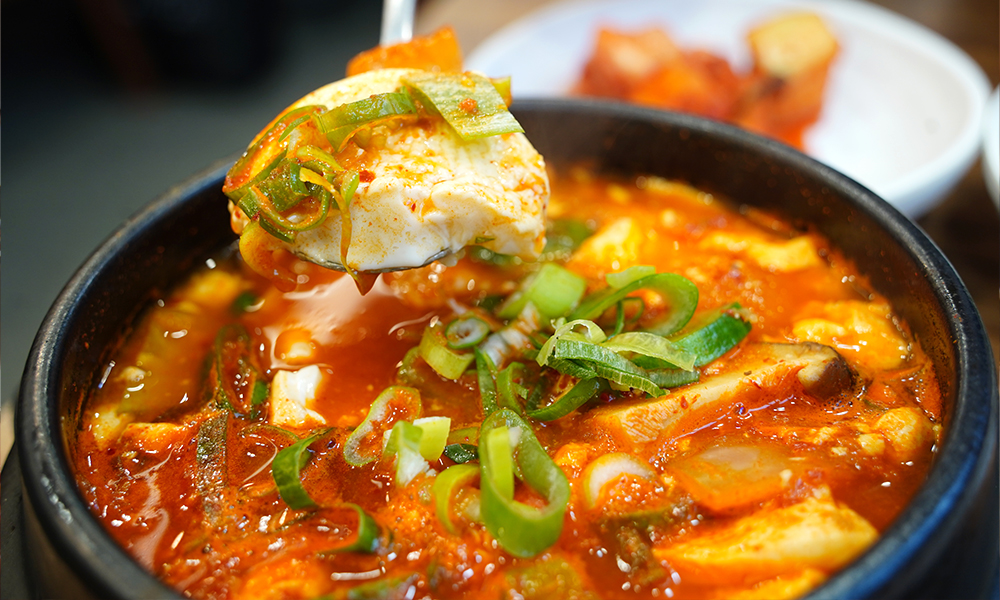
Jjigae are Korean stews that can be savoured as a main dish on their own, accompanied by rice. As mentioned above, they typically have an intense flavour, owing to the combined richness of meat, seafood and vegetables, complemented with staple Korean seasonings like Kimchi, Gochujang (chilli bean paste), Gochugaru (chilli powder), Doenjang (fermented soybean paste), Ganjang (soy sauce), and Saeu-jeot (salted shrimp). Jjigae flavours can range from fiery to mildly zesty or piquant, with layers of savoury depth and warmth, as well as a bold crimson hue. Jjigae are also easy to make and are the perfect soulful, zesty meal dish to share on busy days.
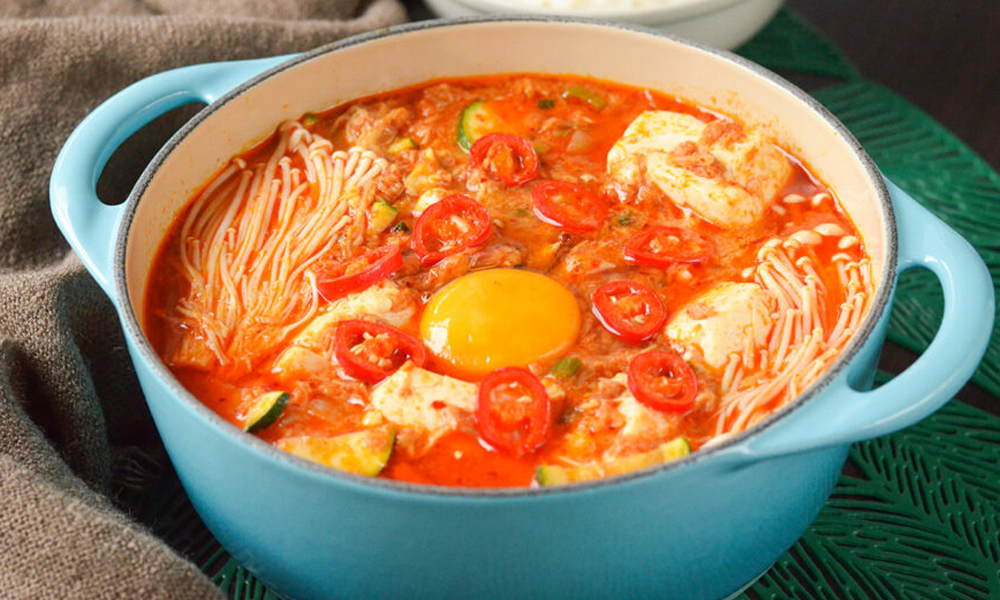
Sundubu Jjigae is named after the soft, silken Korean tofu in this classic stew that takes on the full-bodied flavours of the savoury and spicy seasonings, typically paired with vegetables, thinly sliced meat or seafood, and topped with a fresh-cracked egg. Our recipe features Korean spicy tuna, earthy enoki mushrooms, and crisp zucchini. Flavoured with zesty Gochugaru, onion, garlic, savoury light soy sauce and fish sauce. Simmered to a tantalising mild spicy, savoury stew.
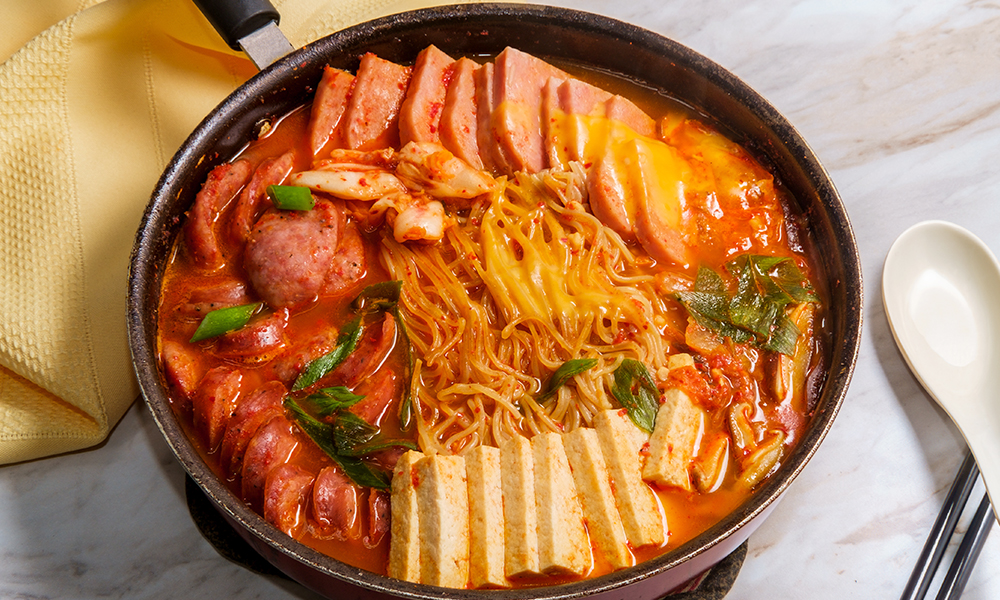
A relatively modern Jjigae that emerged in the post-war period, Budae Jjigae was created around US military bases using surplus processed foods such as luncheon meat and sausages, adapted with Korean ingredients and seasonings. Budae Jjigae has since become a cherished staple meal dish shared in Korean households and restaurants alike. It typically features a hearty combo of luncheon meat, sausages, pork mince or chopped beef, canned baked beans, tofu, Korean rice cakes, and simple veggies like cabbage, carrot, or zucchini. Made spicy and savoury with Gochugaru, soy sauce, and cooking wine. Easy, hearty and satisfying, with an invigorating zesty oomph. Try it with Chef Heather Jeong’s authentic recipe.
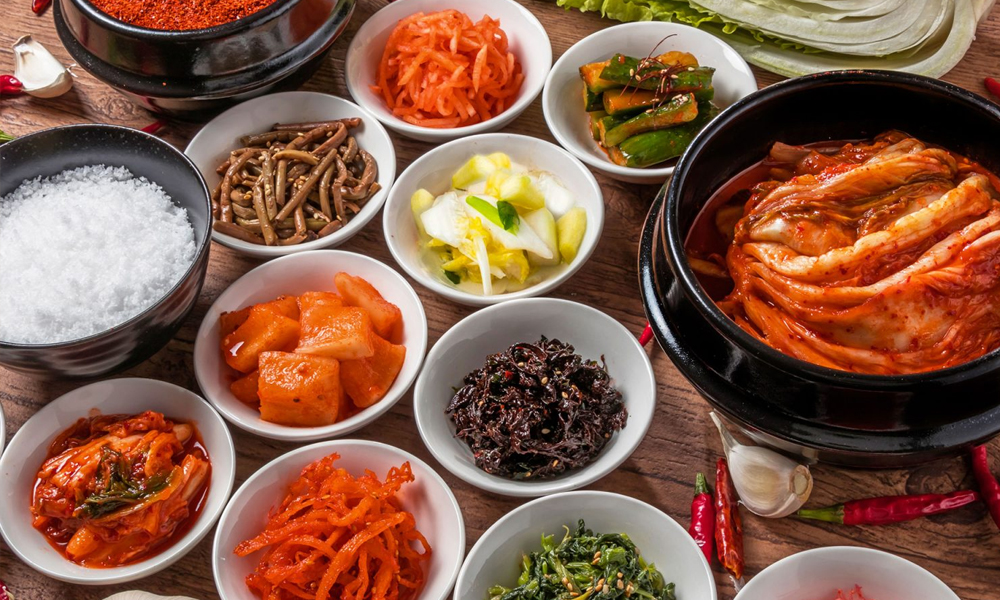
Spicy, tangy and savoury Kimchi is the soul food of Korean cuisine, enjoyed on its own, as a Banchan, and used as an incredibly versatile seasoning in Korean cooking, from stir-fries and pancakes to this iconic Kimchi Jjigae, and more. To make the stew, aged Kimchi with a longer fermentation period is most ideal to develop its flavour depth during the simmer. The slow simmer also softens the Kimchi and imbues its signature zest into the stew’s pork belly and firm tofu, uplifted with garlic and onion aromas, as well as a savoury touch of soy sauce. Garnished with spring onion, and served hot off the stove. Have your fill of Kimchi Jjigae with our recipe!
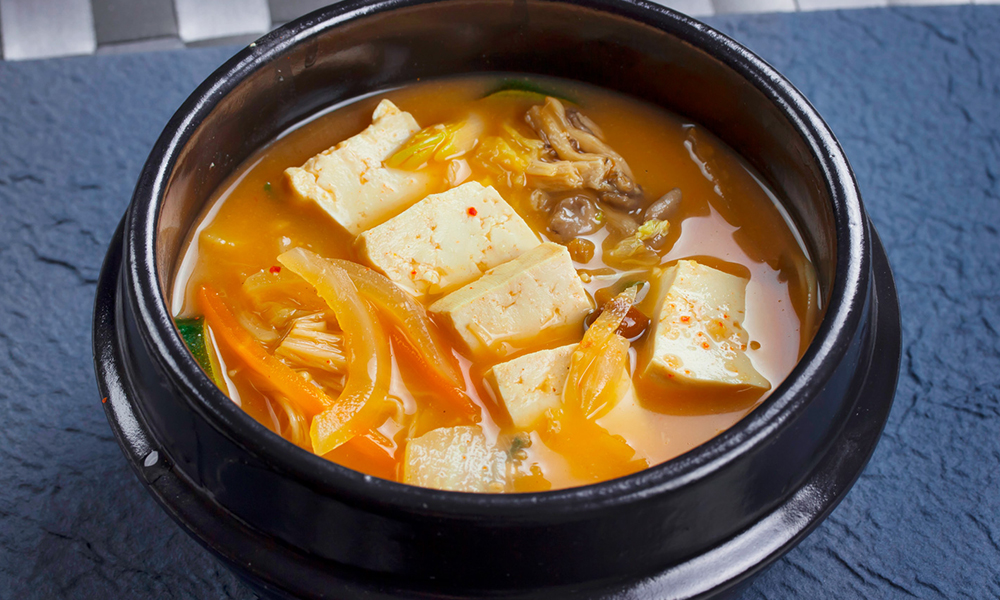
Primarily seasoned with the bold umami, earthy flavour of Korean fermented soybean paste, and complemented with a savoury anchovies stock, the Doenjang Jjigae is a homely stew, commonly made with leftover vegetables, mushrooms, meats or seafood for a simple and hearty family meal with rice. Our recipe features potatoes, firm tofu, and zucchini, with a pinch of Gochugaru to give your Doenjang Jjigae a piquant zest; also enjoyable as a base stew to add in your preferred ingredients!
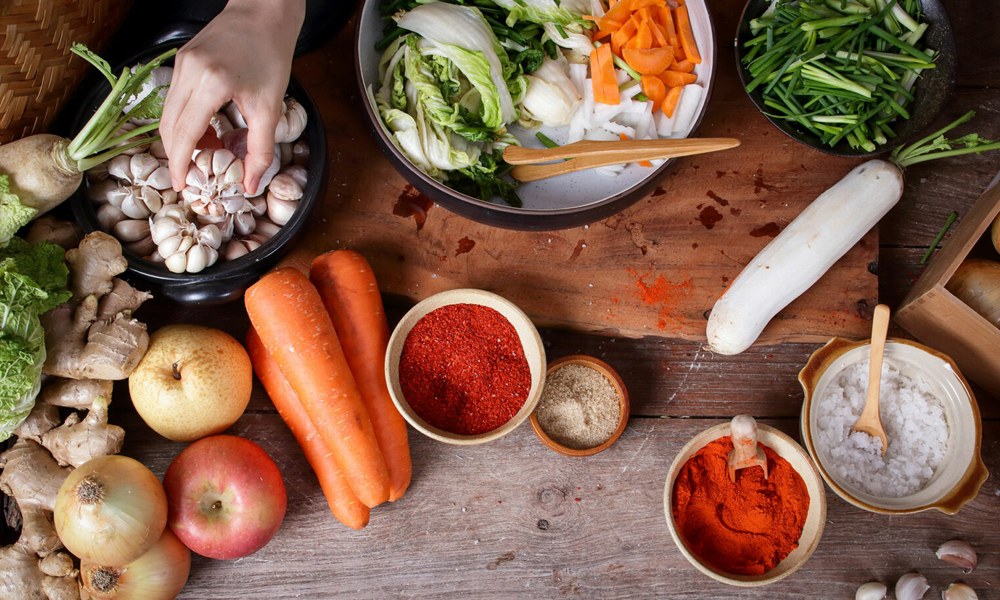
Korean cuisine is great for home-cooked meals with awesome flavours, nutrition and comfort. Come dive deeper with Chef Heather Jeong’s expert insights. Discover the marvellous traditional Korean recipes you should try. Experience the tasty, communal joy of Korean barbecue. And, savour our selection of delicious Korean pancakes!
Discover how you can use traditional Japanese miso, panko breadcrumbs and matcha to create yummy modern delights!
Make and savour the best homemade deep-fried foods with our handy guide!
Come discover how leaf-wraps give Asian steam-cooked foods an extra tasty touch and other unique benefits!