
-300x200.jpg "Traditional Japanese Ingredients in Tasty Modern Wonders")
Traditional Japanese Ingredients in Tasty Modern Wonders
Discover how you can use traditional Japanese miso, panko breadcrumbs and matcha to create yummy modern delights!
Discover the authentic in Asian cuisine food
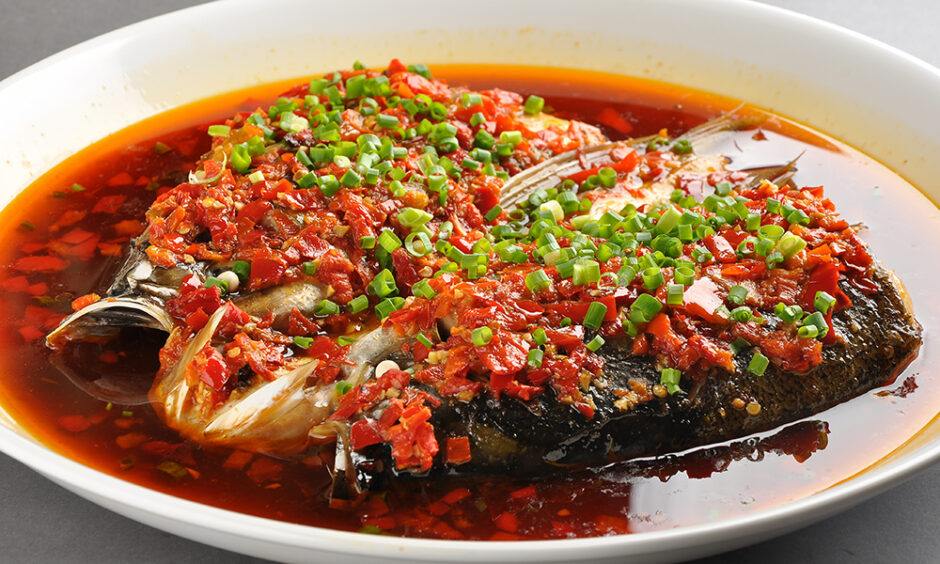
An inland province located in the middle reaches of the Yangtze River, Hunan, is home to magnificent mountains, scenic lakeside and river locales, ancient historic wonders, as well as a cuisine that embodies the fiery, spirited culture of its people—one of the few Chinese culinary traditions that centres on hot and spicy flavours.
But while chilli heat is at the core, there’s so much more to Hunan/Xiang cuisine’s zesty and complex taste profile.
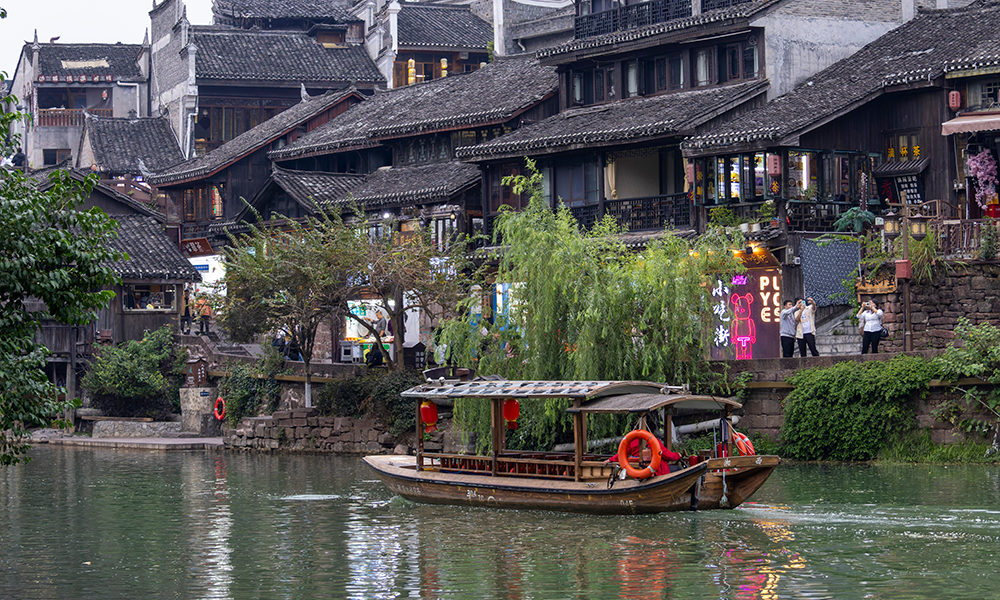
Hunan cuisine is also known as Xiang cuisine, named after the Xiang River. A major tributary of the Yangtze that flows through Hunan province, and has sustained its fertile lands and lakes for centuries. Coupled with a temperate climate and abundant rainfall, the people here have thrived through the ages with bountiful agriculture and natural resources, from various crops and freshwater fish to farm animals, poultry, and wild ingredients.
Thus, Xiang cuisine has evolved with a focus on the blending of many ingredients and seasonings to create balanced, layered tastes, colours and textures in every dish.
So, how does spicy come into the picture? The answer is the hot and humid summers in Hunan, which Xiang cuisine’s Gan La or Pure Spicy signature flavour actually helps to ease—by stirring your appetite and exciting your senses, as well as making you sweat to release the damp heat in your body.
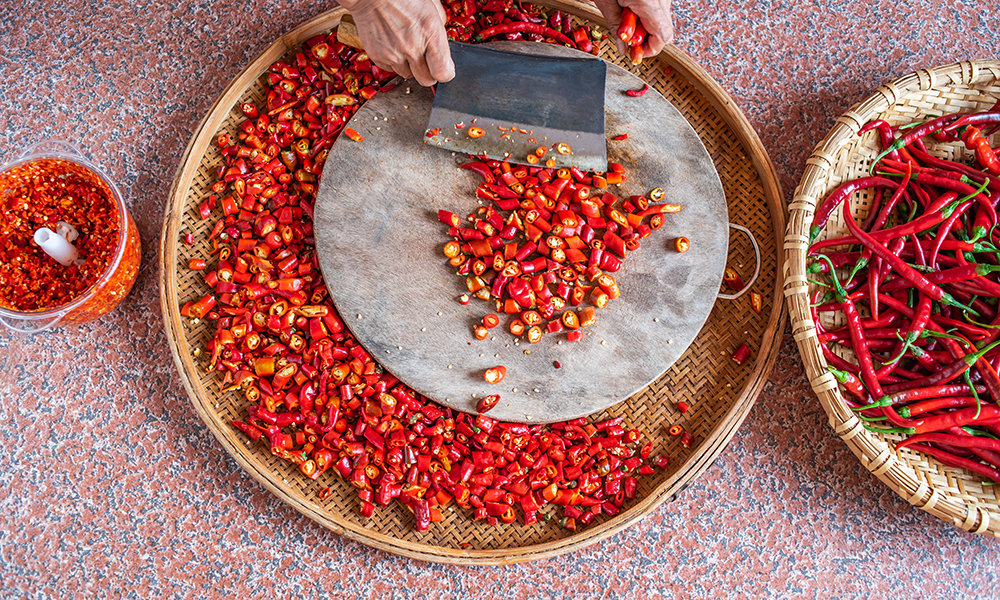
Historically, Xiang cuisine didn’t start off with chilli zest, instead relying more on aromatics and peppercorns, much like Sichuan cuisine. However, as soon as chilli was introduced via the spice trade, it quickly became the primary flavour-giver of Xiang cuisine. Over time, Hunan chefs developed a mastery of chilli heat, which eventually distinguished the cuisine from other spicy Chinese culinary traditions.
While Sichuan’s Mala heat numbs and lingers on your tastebuds, Xiang cuisine’s Gan La flavour begins with a flaming punch that tapers off to a savoury depth from its seasoning blends, often balanced by a tantalising sour note from pickled veggies.
3 primary styles make up the whole of Xiang cuisine:
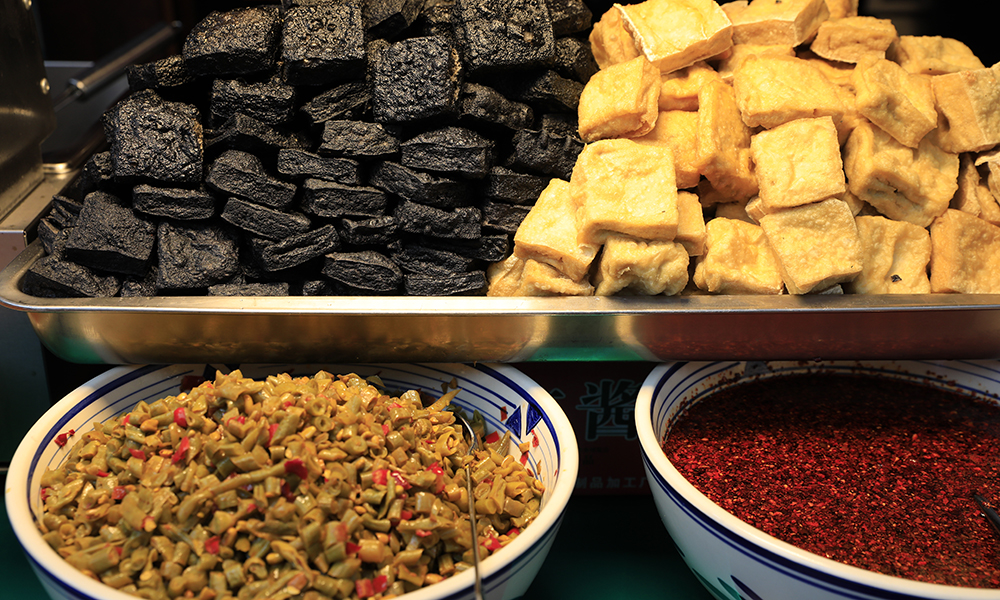
The Xiang River style covers Changsha, Xiangtan and Hengyang of Hunan’s central region. Featuring vibrant, spicy and boldly fragrant dishes. Signatures include Changsha stinky tofu, dishes seasoned with earthy, savoury black bean sauce, spicy braises and fiery stir-fries with chilli.
The Dongting Lake style covers the lakes’ surrounding cities of Yueyang, Yiyang and Changde. Defined by thick, saucy dishes with a blazing zest and bold savoury taste, plus a fondness for stews.
The Western Hunan Style of Zhangjiajie and Huaihua is renowned for their cured meats and pickled veggies. Dishes of this regional style lean more to the salty and tangy.
Common cooking methods across all 3 regional styles include stir-fry, braise, pot-roast, deep-fry and smoked dishes.
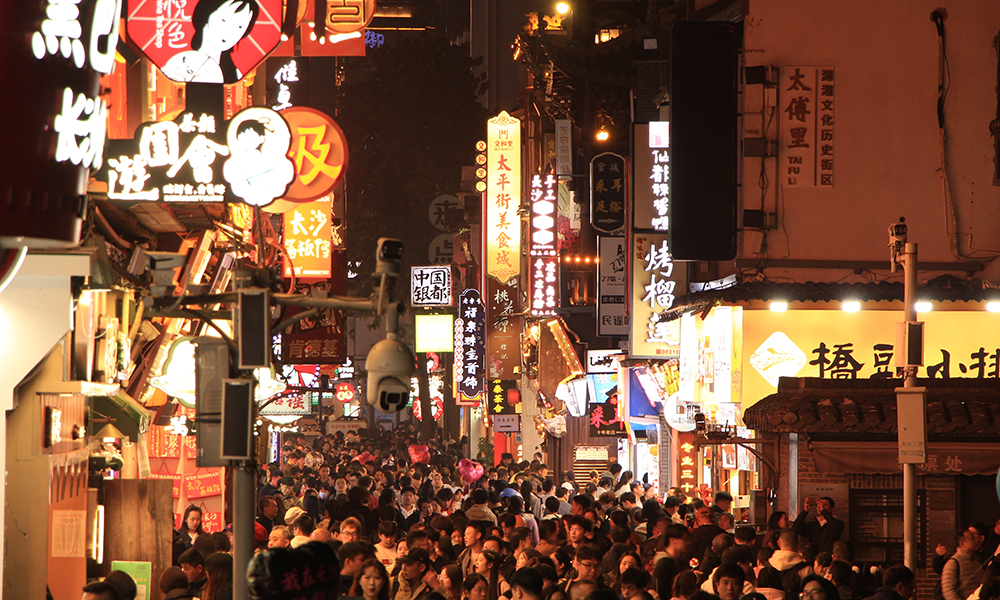
Sharing food is socially essential in Chinese culture, and especially so in Hunan. A fascinating highlight of Xiang cuisine is Changsha’s late-night food culture.
Changsha is Hunan’s provincial capital, frequently dubbed ‘the city that never sleeps’. Bustling street markets, diners and eateries open way past midnight to offer down-to-earth spaces for locals to unwind and mingle with friends, colleagues and loved ones, filled with hearty, soul-warming snacks. After all, nobody eats alone in Changsha, no matter how late it gets.
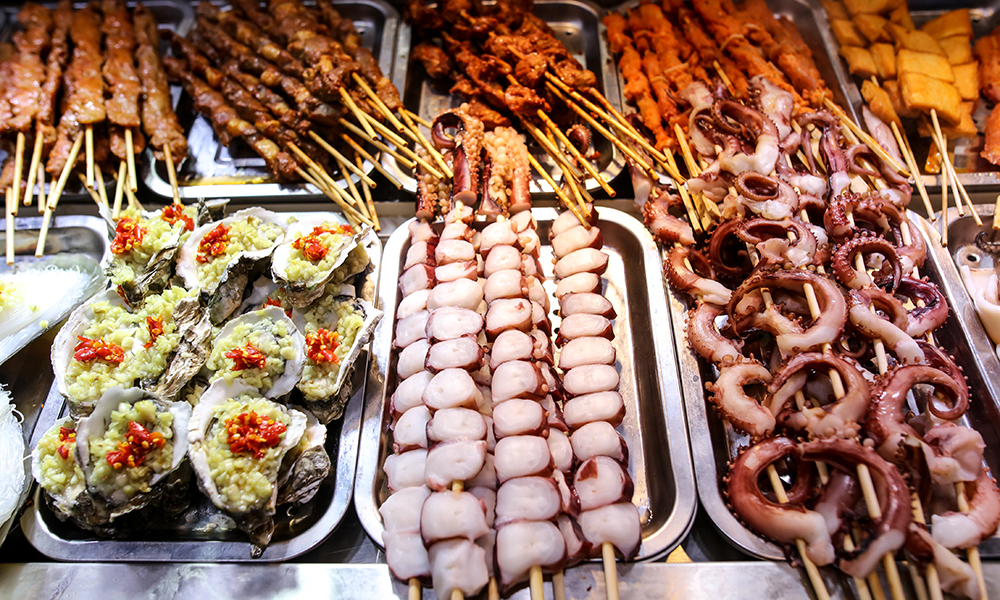
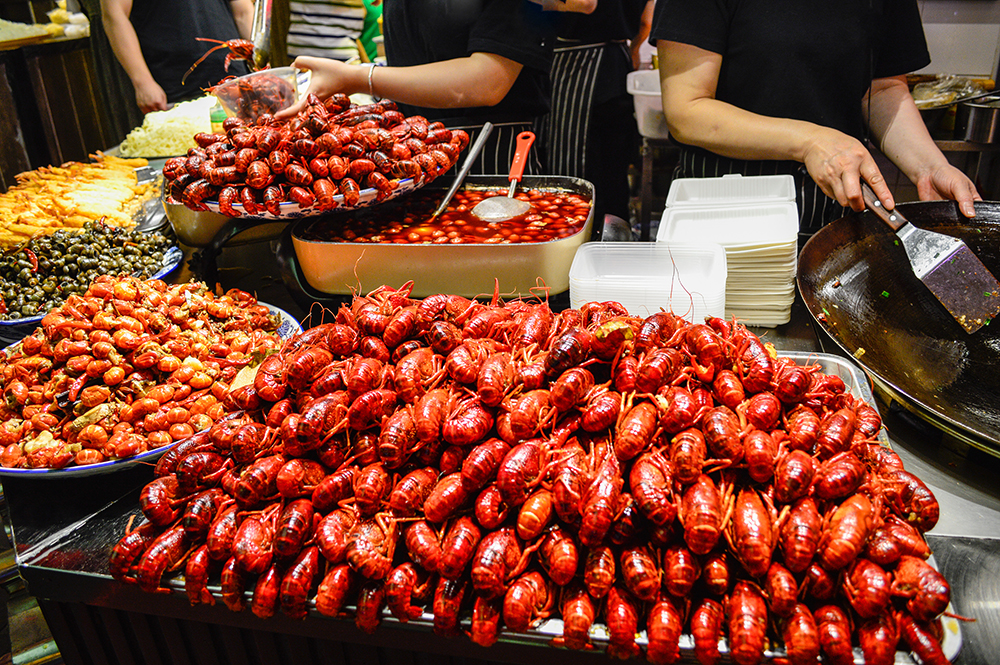
Popular yummies include grills, roasts and barbecued meaty skewers, spicy hot pot to share, soupy or saucy noodle treats, braised delights, and fresh local crayfish stir-fried into a zesty, succulent feast with generous chilli and fragrant purple perilla leaves—a staple specialty of Changsha nightlife.
Enjoy spicy food at home? Then these beloved Xiang cuisine specials are for you!
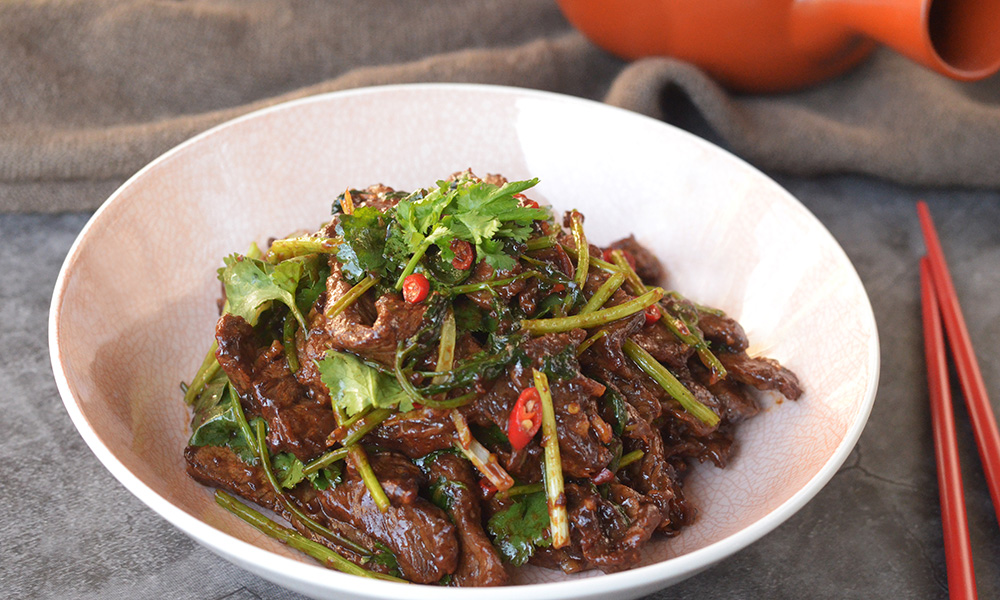
Coriander is among the staple aromatics of Xiang cuisine, typically used to ease the chilli heat with its lemony, floral fragrance. The Coriander Beef is a classic favourite. Juicy beef slices marinated with a blend of savoury and peppery seasonings. Stir-fried in high heat with garlic, ginger and chillies, infused with a generous toss of coriander that gives a bold refreshing aroma. Whip it up with our easy recipe!
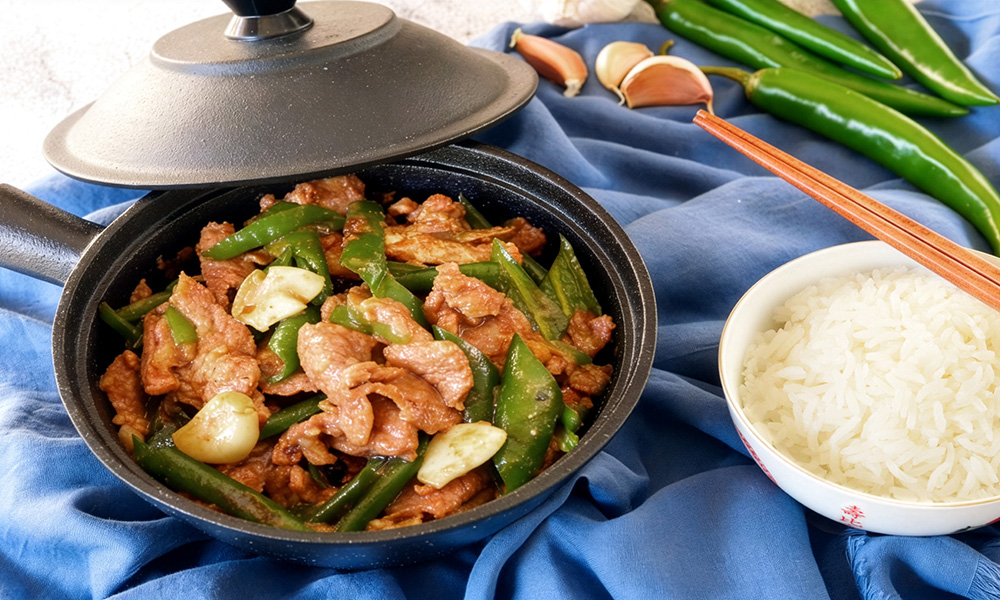
Known locally as Xiao Chao Rou, this Hunan pork stir-fry exudes a subtle smoky aroma, with a spicy kick and deep savoury taste. The secret is the dry-fried green chilli, which releases its natural heaty zing and citrusy note, infused seamlessly with the savoury marinated pork, enriched with garlic and fermented black beans. Fast and easy to cook, zesty and delish to savour!
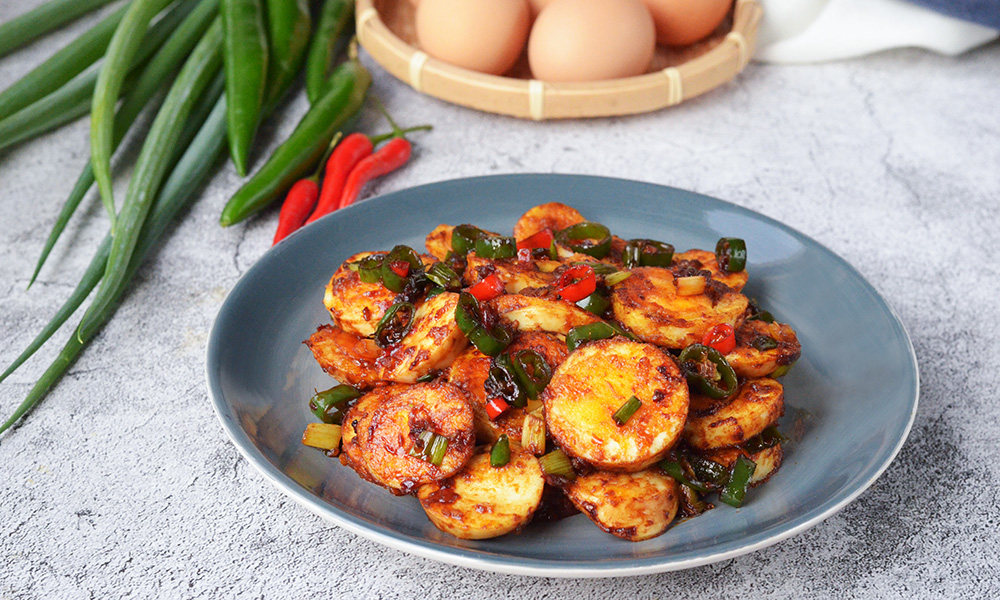
Prosperously named Golden Coin Eggs, this Hunan specialty begins by slicing hard-boiled eggs into thick ‘medallions’. Imbued with the zing and aroma of dry-fried green chilli and bird’s eye chilli. Pan-fried with garlic, savoury fermented black beans and spring onion. Then sauced up with a combo of light soy sauce, dark soy sauce and spicy chilli bean paste. Crisp and tender to munch, with an umami zesty oomph!
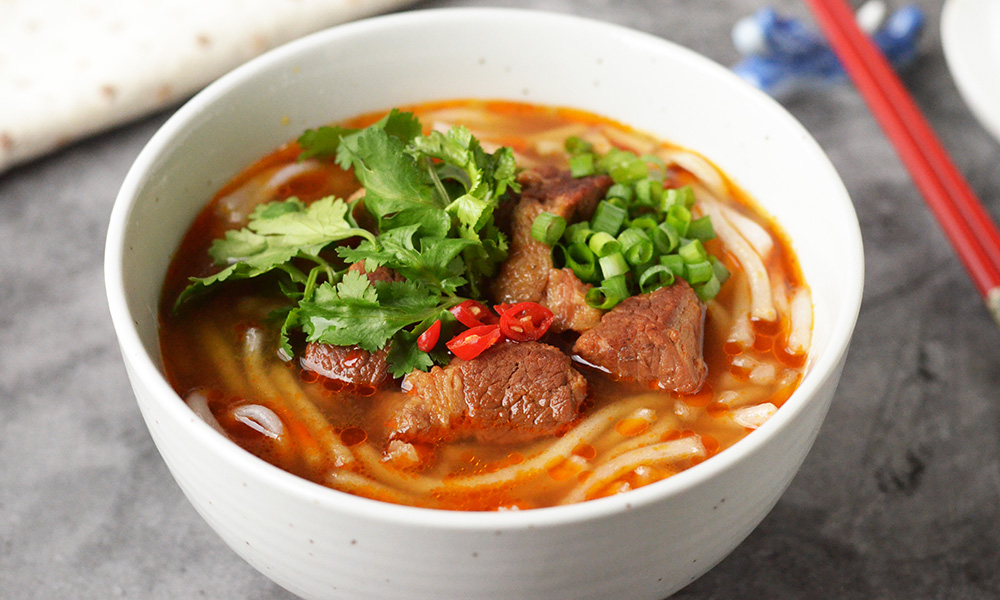
A classic street food fave of Changde city, this soupy beef rice noodle delight is made to thrill your tastebuds! Beef chunks stewed and simmered with bold spices, fragrant herbs, and a blend of savoury-sweet and piquant seasonings. Served hot with slurpy-soft rice noodles and a refreshing garnish of cilantro and spring onions. Irresistibly sumptuous and delish!
Xiang cuisine is one of 8 major Chinese culinary traditions, each featuring a gastronomic taste profile with unique cooking techniques, ingredients, and flavours. Come explore the robust and delicious features of Sichuan, Yue, Min, Lu, Jiangsu and Zhejiang cuisines with our deep-dives!
Discover how you can use traditional Japanese miso, panko breadcrumbs and matcha to create yummy modern delights!
Make and savour the best homemade deep-fried foods with our handy guide!
Come discover how leaf-wraps give Asian steam-cooked foods an extra tasty touch and other unique benefits!