
-300x200.jpg "Traditional Japanese Ingredients in Tasty Modern Wonders")
Traditional Japanese Ingredients in Tasty Modern Wonders
Discover how you can use traditional Japanese miso, panko breadcrumbs and matcha to create yummy modern delights!
Discover the authentic in Asian cuisine food
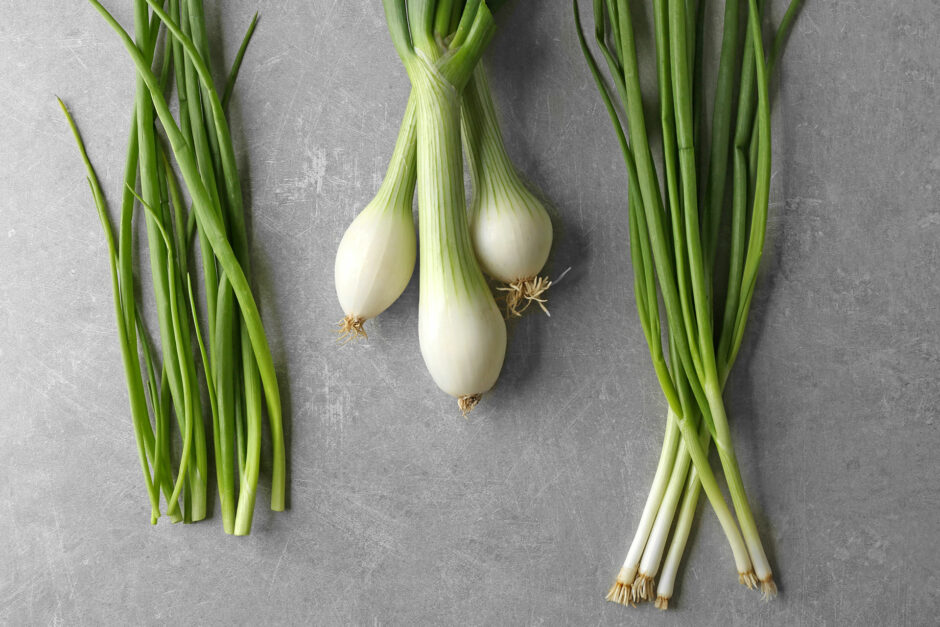
Visit an Asian wet market, and you’re bound to see an array of herbs with long green stems and stalks. But how to tell which is which? Don’t fret. Let’s explore each of them and you’ll be an expert in no time!
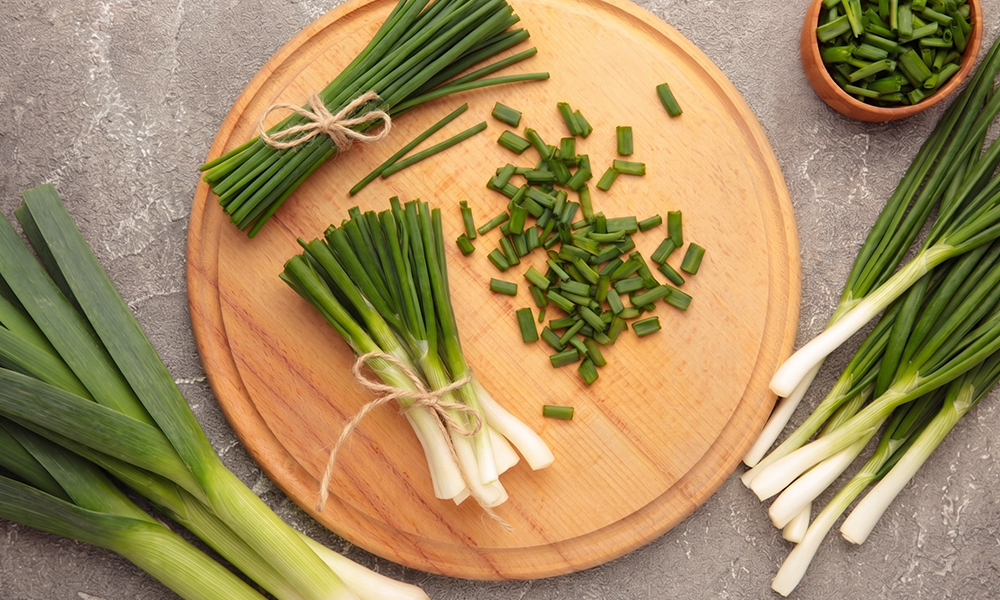
Scallions, leeks, and chives belong to the same botanical family as garlic and onions, collectively named the Allium genus. They are flowering plants with long thin leaves or stalks, and small bulb roots. Each has a distinct garlicky or oniony aroma, subtly sweet note and refreshing herbaceous flavour, in varying degrees and tones. These darling plants have been cultivated since ancient times across Asia, and are prized in every cuisine. Savoured as vegetable dishes, taste enhancers, aroma-givers, odour removers for gamey meats and seafood, soup-enrichers, as well as vibrant green garnishes.
Chinese cuisine, in particular, has a deep love for various Alliums, enjoyed in myriad ways.
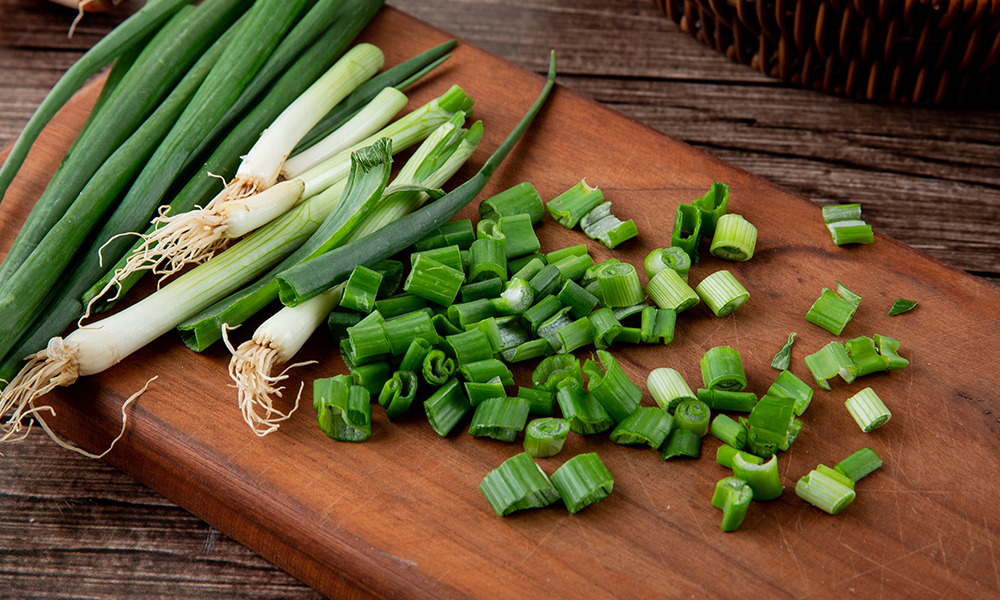
Scallion is known as Cong in Chinese. It has long, soft and fibrous green leaf-tops, branching from the white bottom stalks with a slender bulb root. Deep green scallions are usually the freshest ones. The leaves exude a mild herbaceous aroma, and is frequently enjoyed as a garnish for congee, soups and noodle dishes. The white stalks have a mellow sweet taste and oniony fragrance.
Scallion is a common seasoning in Asian stir-fries, braises, soup bases and more. Recipes may call for separating the green and white parts for different uses, though scallions are also typically chopped and used whole in many cuisines. Come check out our massive collection of Asian recipes with scallion.
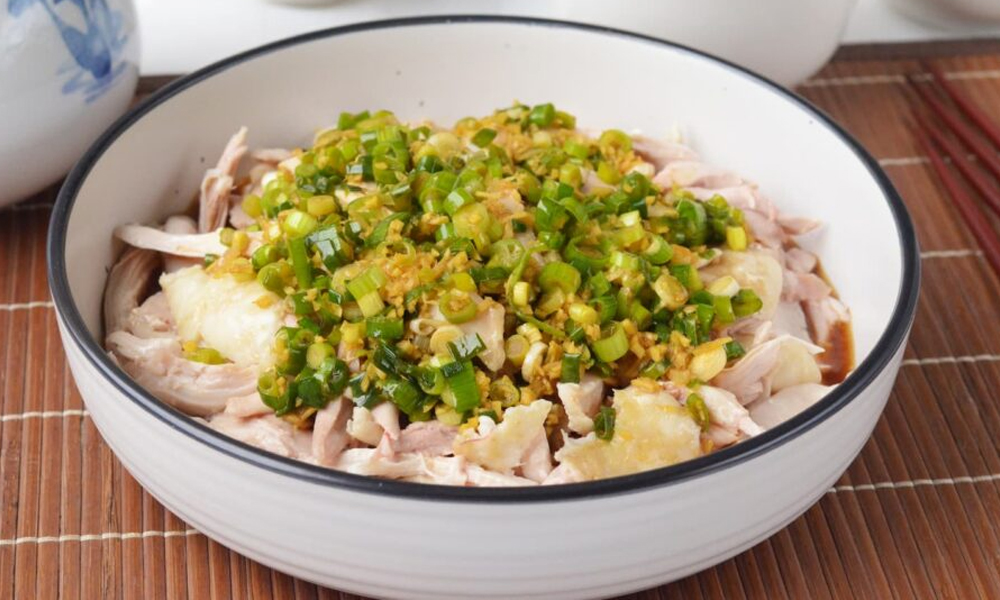
Scallion is sometimes interchangeable with spring onion, though they are not actually the same plant. Scallion is also known as green onion, has a longer white stalk, and the slender bulbs won’t grow as the plant ages. In contrast, spring onions are immature bulb onions harvested before the bulbs fully develop, usually with rounder and more noticeable bulbs. Spring onion is primarily used as a garnish in Asian cuisines for its slightly stronger herbaceous aroma, but can also be a veggie dish on its own, or a flavour-enhancer. Korean cuisine, for example, turns spring onion into a spicy, tangy and savoury kimchi.
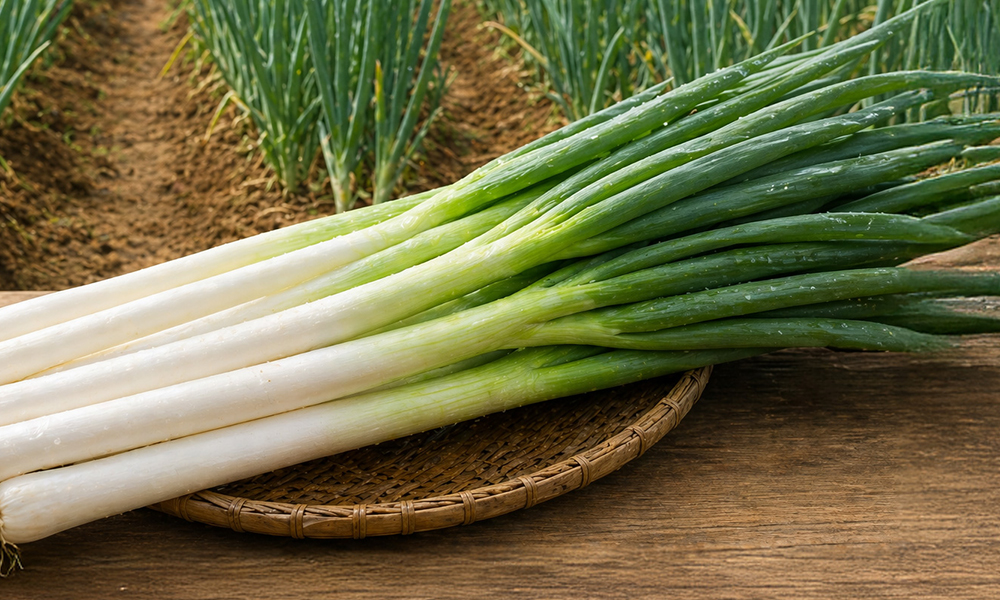
Large green onion, or Da Cong in Chinese, is basically a larger cousin of scallion with a longer and thicker white stalk. It has a bolder oniony aroma and a mellow sweet-savoury flavour.
Northern Chinese Lu cuisine in particular is known for its deep appreciation of large green onions, using it generously to season many of its most iconic dishes. The ingredient plays a central role in the cuisine’s signature savoury aroma and layered flavour profile.
In Shandong, large green onions are especially prized, with some varieties cultivated to grow up to 2.5 meters tall with ideal conditions. These towering green onions are regarded as a regional specialty and a proud symbol of Shandong’s agricultural heritage.
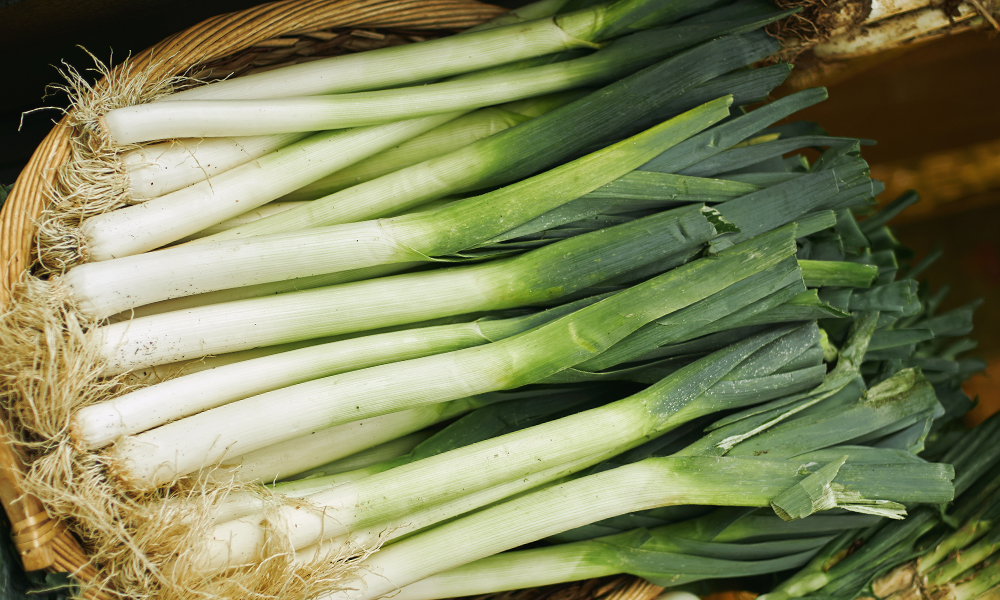
Leek is a close cousin of scallion with broader leaves in a sheaved cylindrical formation, and a light green-to-white root end. The green tops are much tougher than scallions, and are not suitable for cooking. Instead, the light green and white stalk end is the edible part, with a delicate sweet oniony flavour.
Leeks are typically great to season meaty dishes. Some iconic uses in Asian cuisines include this milky hot pot in Japanese cuisine and many more.
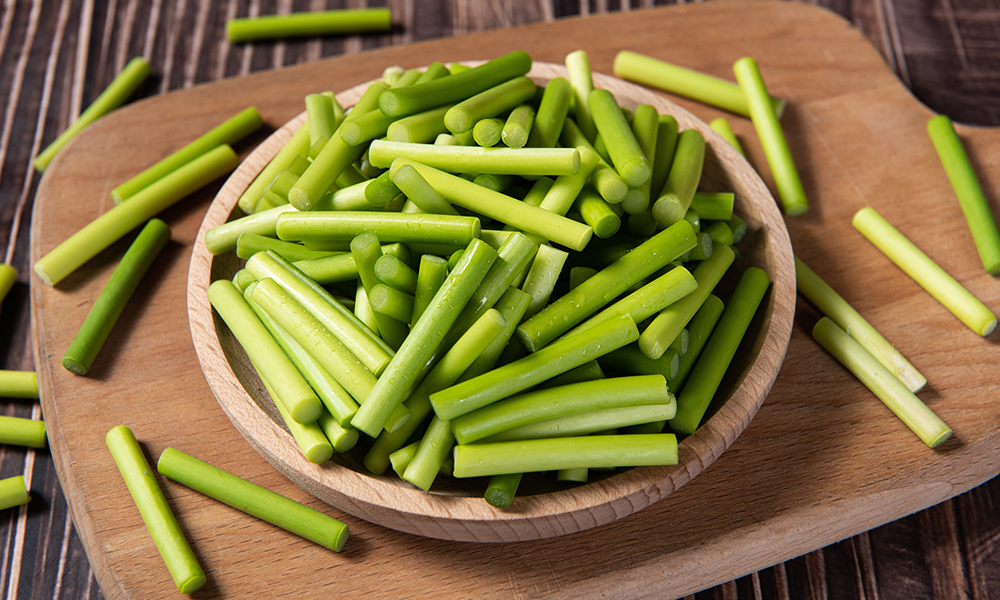
Garlic shoots or garlic scapes are the edible curly stems and flower buds of the hardneck garlic plant. As a side note, hardneck garlic has larger but fewer cloves, typically cultivated in colder regions, while softneck garlic has smaller but more cloves per bulb, with a longer shelf life. Both types of garlic are used in Asian cuisines, but the flowering shoots of hardneck garlic are a staple in Chinese cuisine, often paired with eggs or meat.
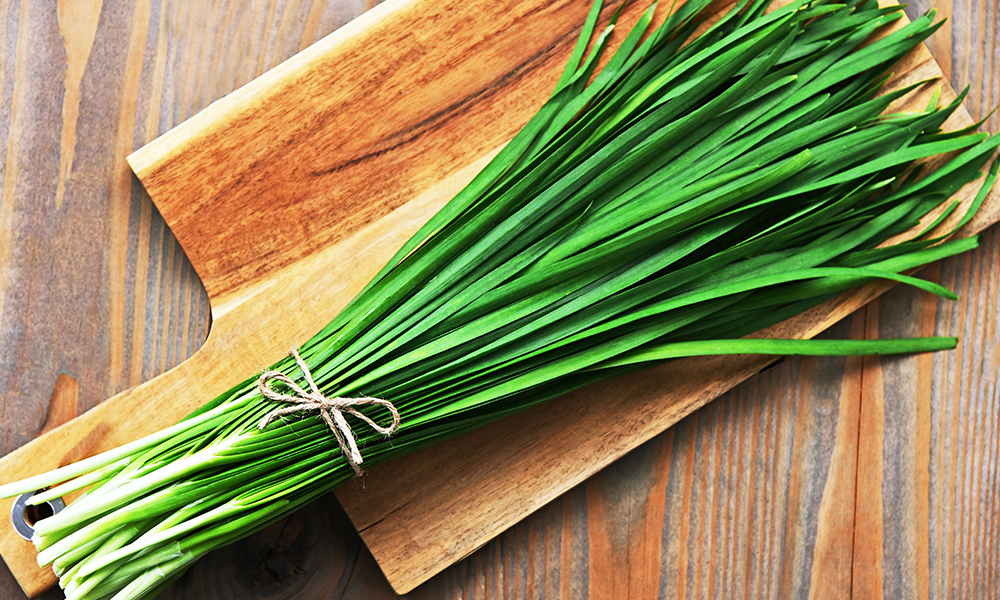
Garlic chives are native to China and are characterised by their small, slender fibrous bulb, and long, flat leaves with a triangular-shaped base.
Garlic chives are prized in Asian cuisines for the bold garlicky aroma and soft, crunchy greens. More commonly enjoyed as a vegetable instead of an herb, garlic chives are great in stir-fries, soups, dumpling fillings, savoury pancakes, congee toppings, etc. Come explore the many delicious Asian treats you can enjoy with garlic chives!
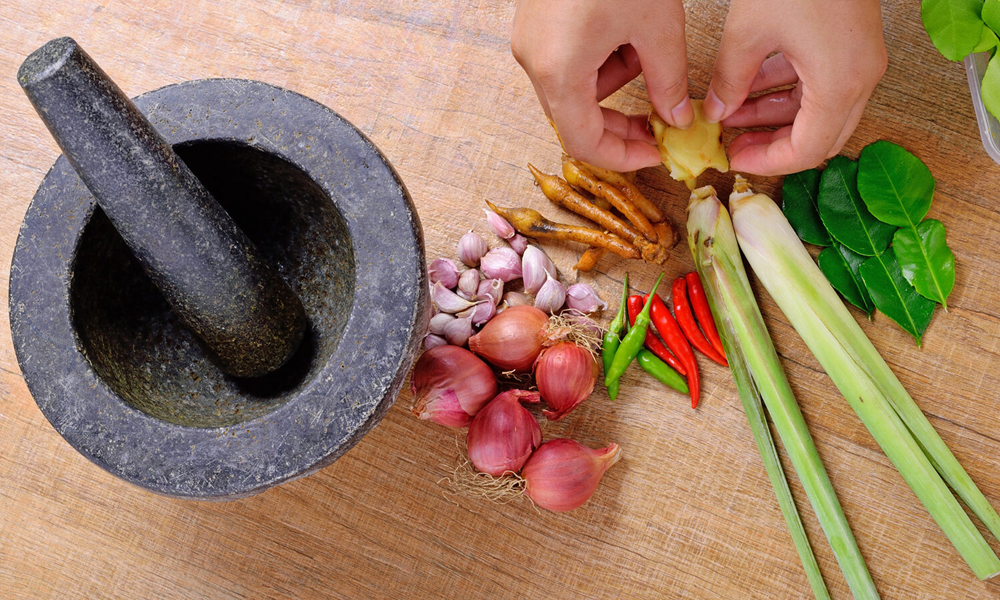
Herbs and spices are an integral part of Asian cooking that shape the signature flavours of every cuisine, with a plethora of uses from seasoning meats and seafood to elevating the overall aromas, colours, and tastes of your dishes. Come check out our selection of 20 essential Asian herbs and spices to expand your pantry arsenal!
Discover how you can use traditional Japanese miso, panko breadcrumbs and matcha to create yummy modern delights!
Make and savour the best homemade deep-fried foods with our handy guide!
Come discover how leaf-wraps give Asian steam-cooked foods an extra tasty touch and other unique benefits!