
-300x200.jpg "Traditional Japanese Ingredients in Tasty Modern Wonders")
Traditional Japanese Ingredients in Tasty Modern Wonders
Discover how you can use traditional Japanese miso, panko breadcrumbs and matcha to create yummy modern delights!
Discover the authentic in Asian cuisine food
Of the 8 Major Chinese cuisines, Lu cuisine or Shandong cuisine is one of the oldest, dating all the way back to the Spring and Autumn Period (771-256 BCE), and originates from the coastal province of Shandong. It is considered among Chinese culinary scholars as the most influential culinary tradition, and the foundation of many Northern Chinese cuisines.
What are the features that make Lu cuisine so exceptional? Let’s find out!
Lu was an ancient state in modern-day Shandong province, and the birthplace of Confucius. Thus, the development of Lu cuisine is greatly influenced by Confucianism, which advocated for the refinement of cooking techniques, to make soulful and wholesome dishes that fed and nourished the people, as well as cultivated their dignity.
Guided by this formative philosophy, and blessed with the abundance of fresh produce from the fertile lands and coastline, Lu cuisine evolved and matured through the ages, into the robust and sophisticated culinary tradition widely cherished today.
The significance of Lu cuisine goes beyond food preparation, flavour refinement and aesthetics, but has also codified the dietary customs, dining etiquette and formalities that are essential to Chinese culture.
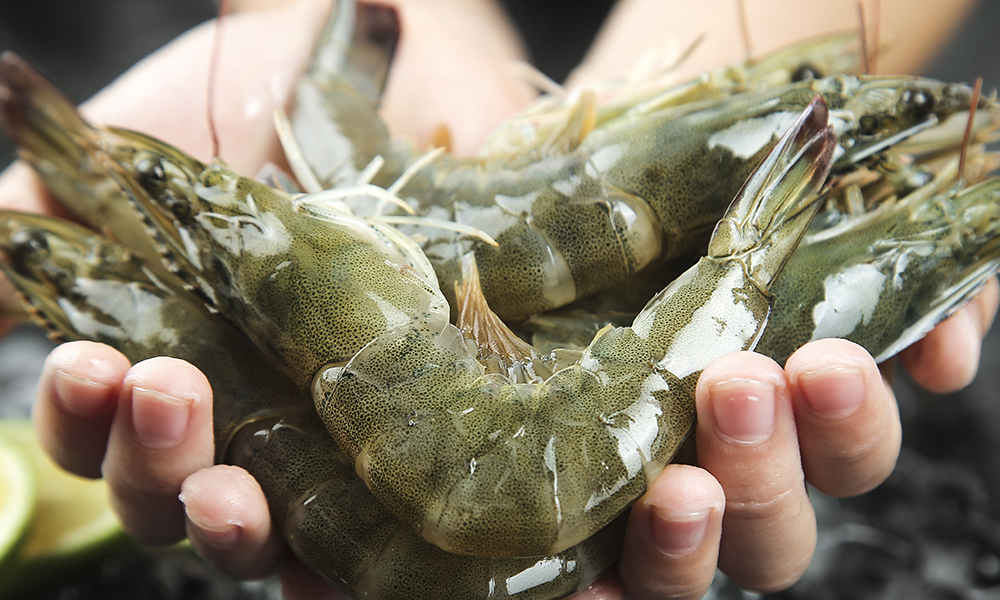
Lu cuisine consists of 3 main regional culinary traditions:
Jiaodong-style covers the taste profile of the Shandong peninsula, with a focus on seafood and emphasizes fresh flavours.
Jinan-style covers the cooking style of Shandong’s capital city and surrounding areas, with a fondness for broths and soups.
Kongfu-style covers the complex style of the Confucius family tradition, celebrated for the mastery of cooking techniques and exquisite banquet dishes.
Together, these 3 culinary traditions make up the overall character and flavours of Lu cuisine.
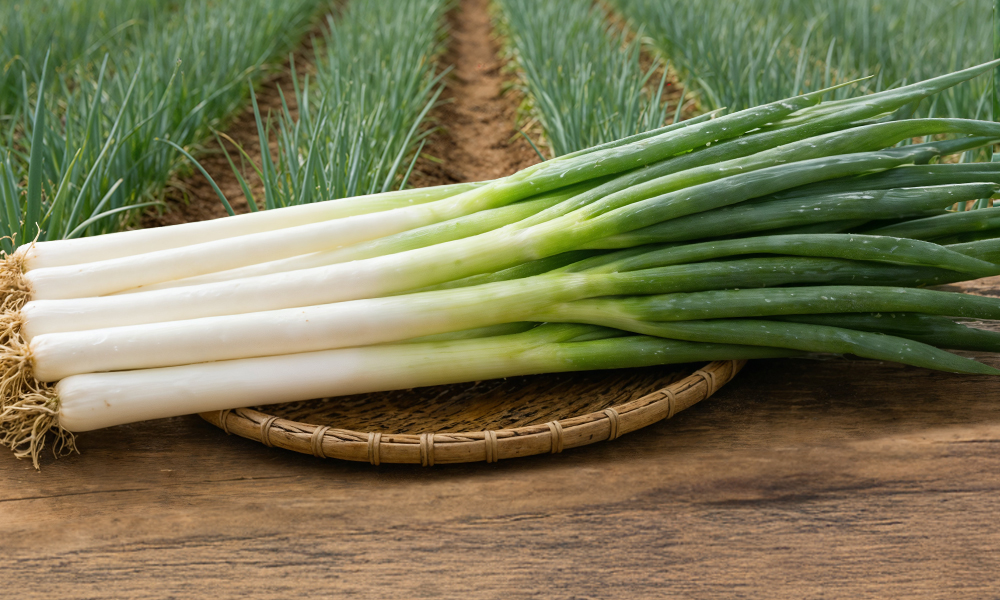
The refreshing aroma of scallion, the warm zest of ginger, and the savoury fragrance of garlic are often used as the base to accentuate the freshness of seafood, pork and poultry in Lu cuisine. Cooked with saucy seasonings in a variety of dishes with generous portions to savour with rice.
Layers of umami-rich tastes, with rich gravies, and salty, sweet and sour notes are the signature Lu cuisine flavours.
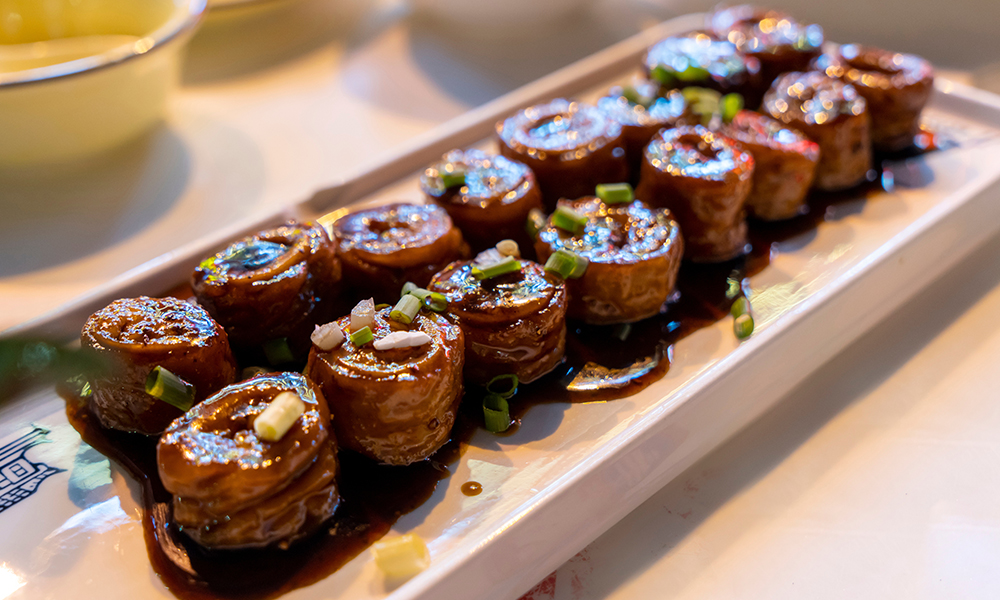
Lu cuisine often calls for expert knife skills to prepare ingredients in delicate cuts that can best release, blend, and balance their flavours, textures, and aromas. Lu master chefs are renowned for their ability to remove all the bones from a chicken while keeping it whole.
Other specialised Lu-style cooking techniques include:
Flash-Frying or ‘Bao’, which involves wok-frying in precise extreme heat and fast, perfect timing to make well-cooked dishes with full-bodied flavours and retain the crunchy texture.
Lu-style braising starts by sautéing or boiling pork or poultry with herbs and spices, followed by a patient low-heat simmer with sauce blends to enrich the dish’s flavour and tenderise the textures. Another method is to marinate meat slices and coat with flour or starch, and fry till golden before the saucy simmer. This adds a crispness to the braised meat.
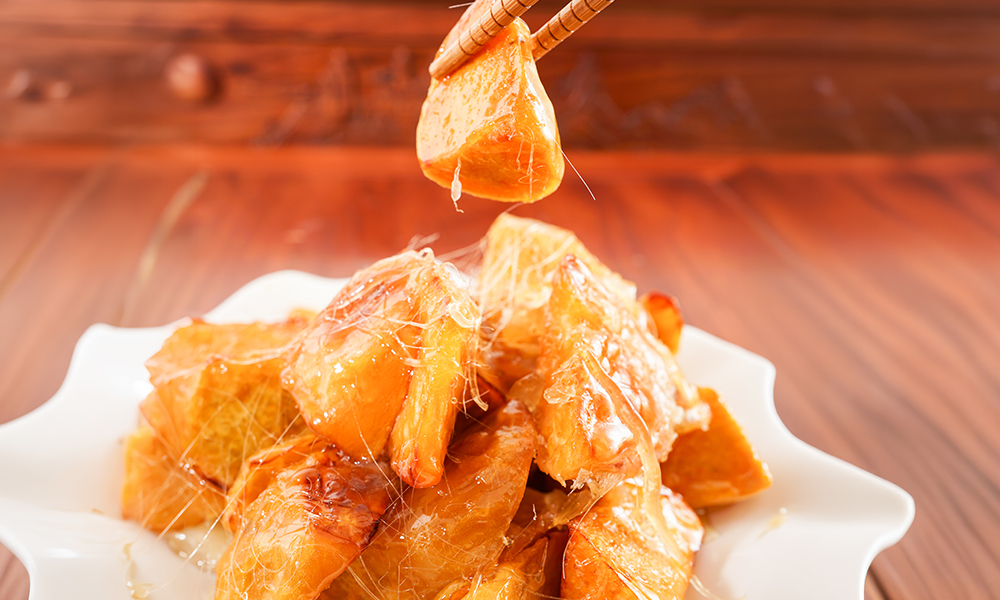
The pulling silk (Ba Si) method or caramelized frying is the unique method to make the signature Shandong sweetened potato snack, coating golden fried potato cubes with caramelised sugar.
Also unique to Lu cuisine are milky broths and soups made by simmering pork bones, pig’s trotters or fish bones to release collagen, which creates the white, milky emulsion. Not served on their own, but used to enrich and add a savoury depth to dishes.
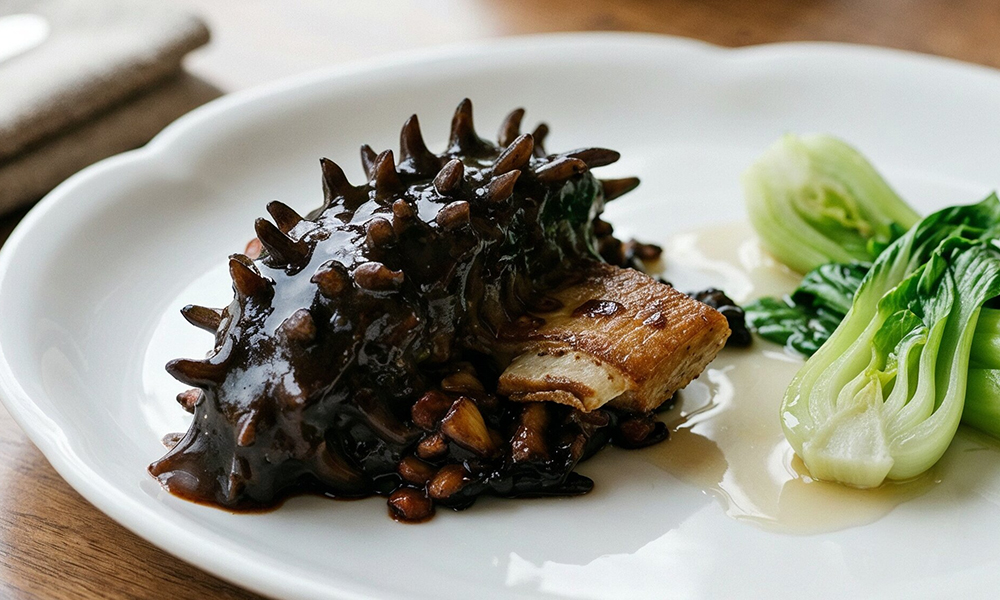
Sea cucumber is prized in Lu cuisine for the soft, gelatinous texture and its ability to absorb the flavors of the broth and scallions. Commonly enjoyed in this classic Shandong dish. The sea cucumbers are cooked with fragrant sautéed scallions in a savoury broth, resulting in an umami-rich delight.
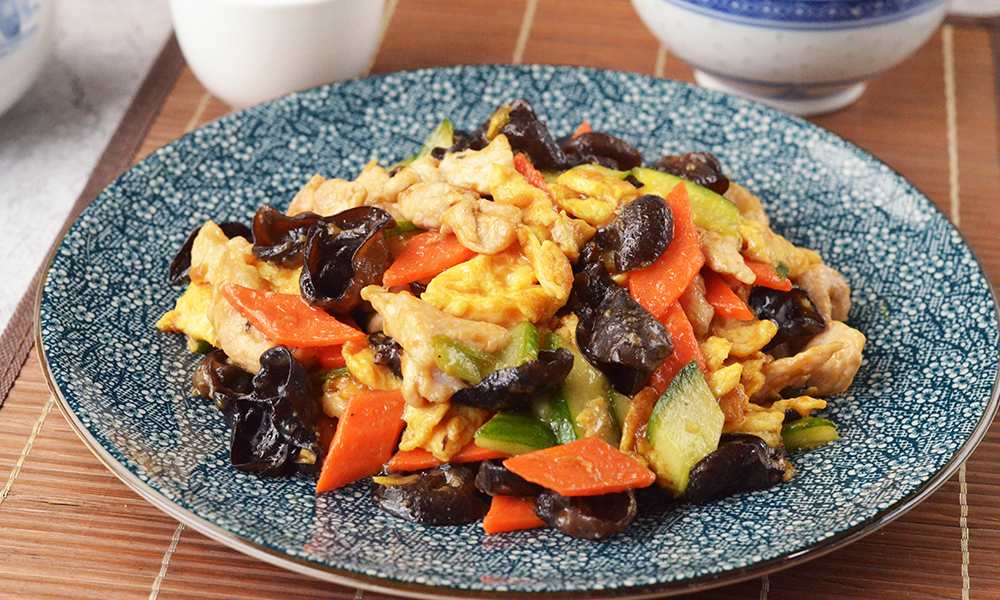
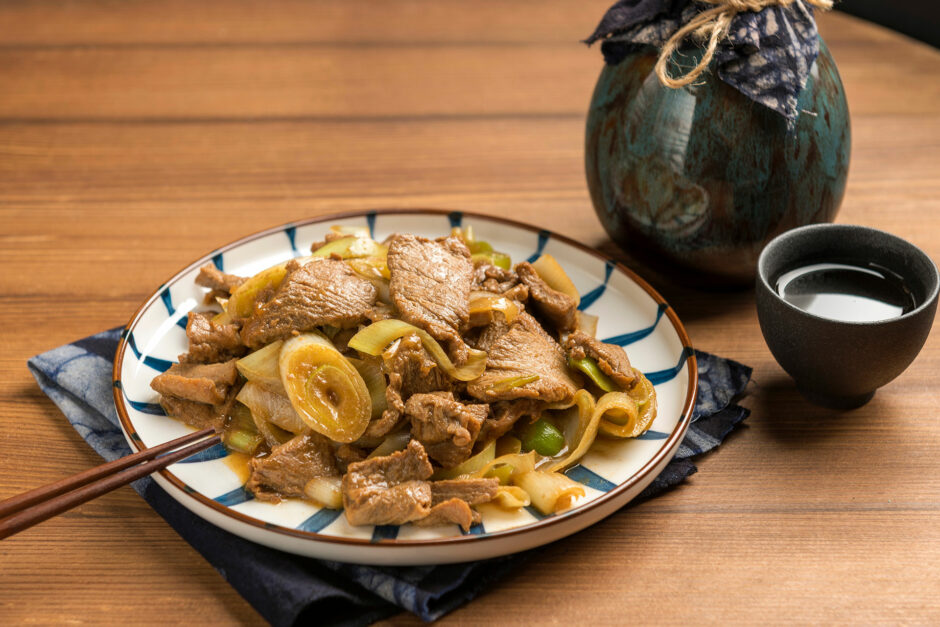
Moo Shu Pork is an easy, colourful stir-fried dish with earthy wood ear mushrooms, crunchy carrot and cucumber, scrambled eggs, refreshing scallions and tender marinated pork. Flavoured with a thickened sauce blend of rice wine vinegar, soy sauce, oyster sauce and cornflour. Layers of soft, crunchy and juicy textures in wholesome savoury flavours greet your tastebuds in every bite!
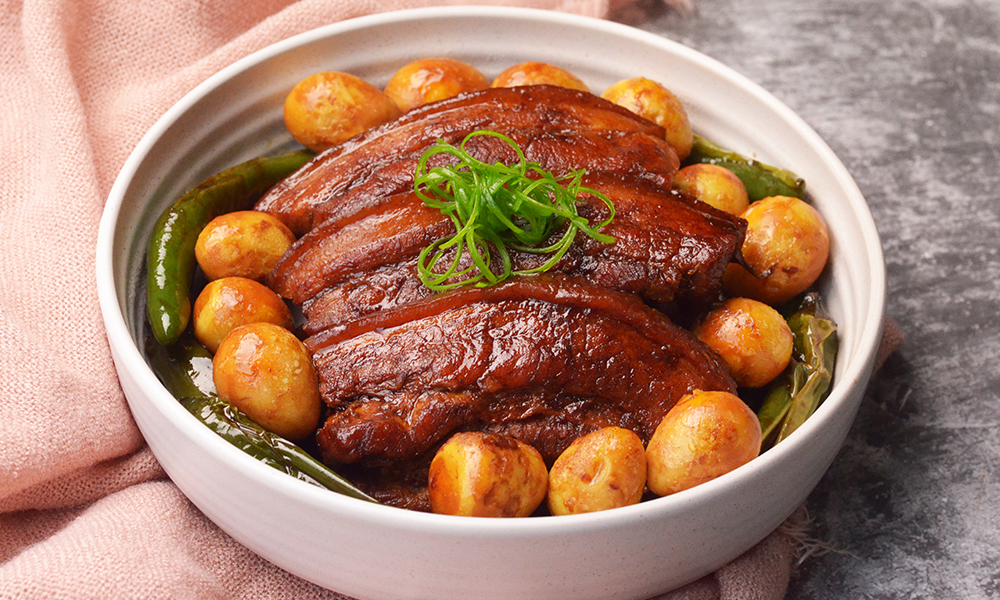
Originating in Jinan, Ba Zi Rou braised pork belly is a cornerstone of Shandong’s “braised” tradition. This dish features thick slices of pork belly and simmered with a robust aromatic blend of star anise, cinnamon, and ginger. It is characterized by its savoury-sweet sauce blend and is classically paired with fried quail eggs and lightly charred green chillies. Delicious and satisfying! Try it with our recipe.
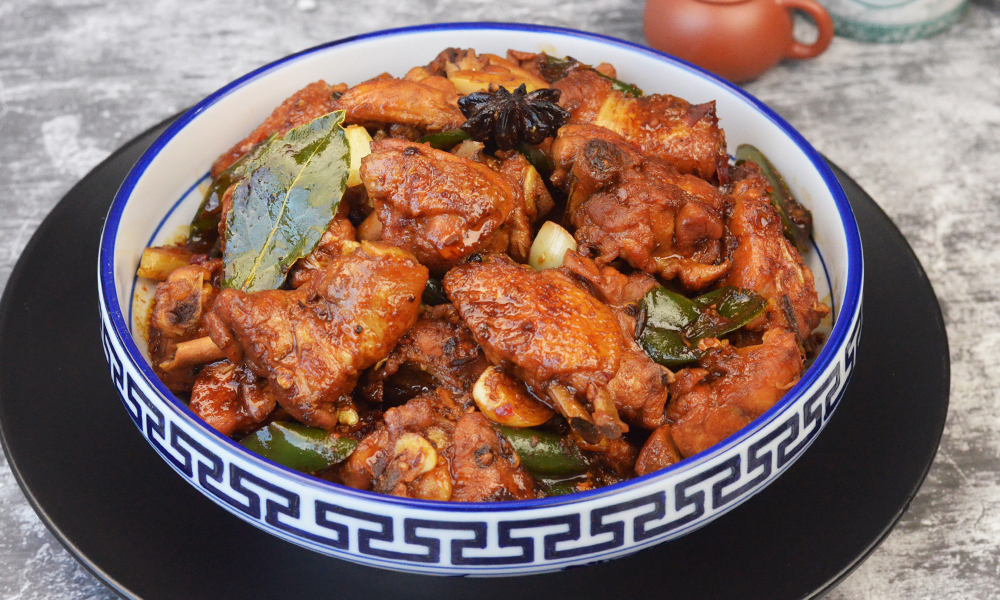
Shandong Stir Fry Chicken gets its alluring piquant aroma from a combo of Sichuan peppercorns, star anise, cinnamon, garlic, ginger, scallion, dried chilli and Bai Zhi (Angelica root) – a key herb adding a subtle earthy depth. The dish gains its signature flavour from a blend of fermented sweet bean sauce and soy sauce. A simple and flavourful comfort dish for the whole family!
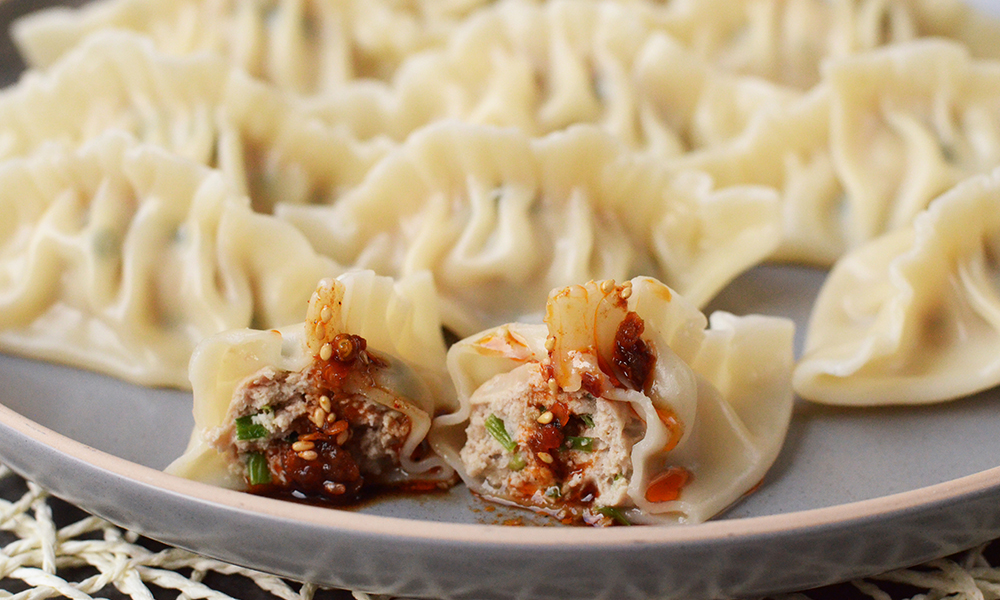
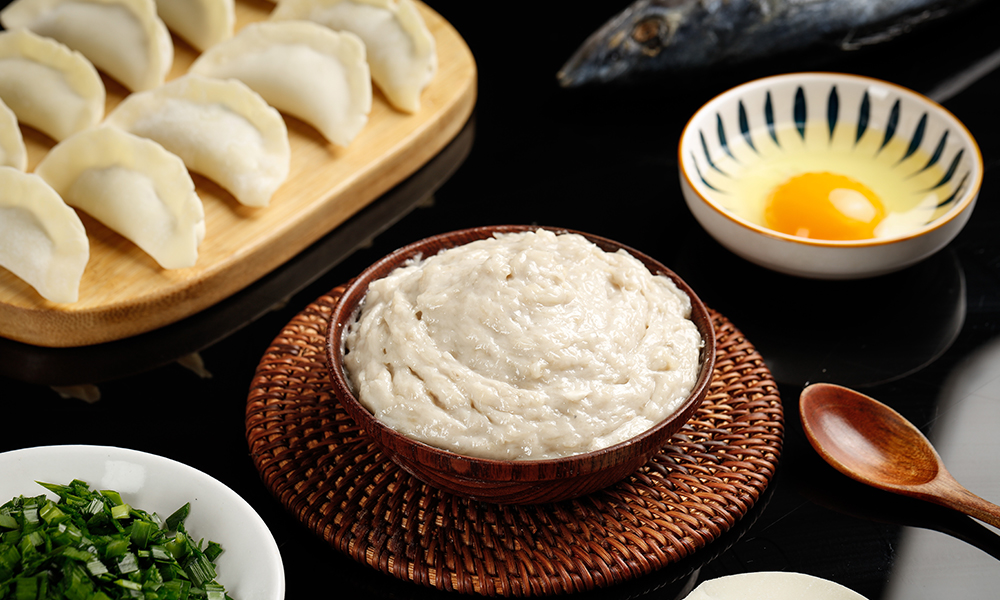
Shandong dumplings are beloved for the dense filling that combines minced pork and fish with fragrant scallions and chives. Uplifted with a savoury blend of soy sauce, Shaoxing wine, ginger, Sichuan pepper powder and nutty sesame oil. Served with a savoury, tangy, and spicy dipping sauce blend. A yummy, scrumptious delight!
The above are just a fraction of the amazing flavours Lu cuisine has to offer. So why not plan a foodie adventure to Shandong and savour the plethora of gastronomic specials? The province is also replete with magnificent historic sites and mesmerising landscapes to explore.
Curious about other unique Chinese cuisines? Come check out our special features on Cantonese, Hokkien, Jiangsu, and Zhejiang Cuisines, as well as our overview of the 8 Major Chinese Cuisines.
Discover how you can use traditional Japanese miso, panko breadcrumbs and matcha to create yummy modern delights!
Make and savour the best homemade deep-fried foods with our handy guide!
Come discover how leaf-wraps give Asian steam-cooked foods an extra tasty touch and other unique benefits!