
-300x200.jpg "Traditional Japanese Ingredients in Tasty Modern Wonders")
Traditional Japanese Ingredients in Tasty Modern Wonders
Discover how you can use traditional Japanese miso, panko breadcrumbs and matcha to create yummy modern delights!
Discover the authentic in Asian cuisine food
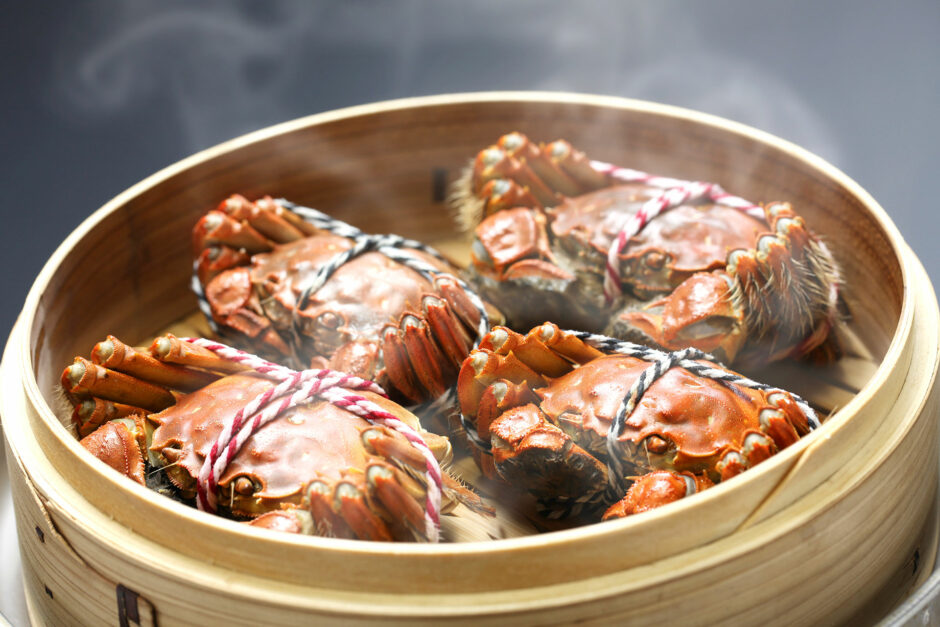
From the prosperous coastal province of Jiangsu, China, comes the delicate flavours and amazing beauty of Jiangsu cuisine. Commonly known as Su cuisine, it is widely regarded as one of the most refined among the 8 Major Chinese Cuisines, yet remains less widely known outside of China.
So, let’s explore the refined gastronomic wonders of Su cuisine, beginning with a little history.

Su cuisine dates back to the Southern Dynasties period, a time when arts and culture flourished in ancient China. With the abundance of resources from the lush plains and the Yangtze River, as well as the rise of a mercantile class, Jiangsu became an epicentre of opulence and luxury during the Song Dynasty, circa 960-1279 AD.
As the populace grew wealthy, so too, had their cuisine developed towards refinement and artistry. Even as the seat of power changed hands throughout the centuries from imperial to republic, Su chefs continued to evolve their culinary tradition.
Today, Su cuisine is still renowned for its elegance and refinement among Chinese cuisines.
Su Cuisine has a deep love for freshwater produce, often preferring those over meat and poultry as their protein source. Delicate freshness is essential in every dish, meticulously prepared with expert skills and precise mastery of cooking heat.
Braising, simmering, and stewing are the common techniques in Su Cuisine, used to concentrate and refine the fresh flavours. Tender, mellow, and umami with a mild sweet touch are the common features of Su cuisine. Dishes are also composed in artful presentations, full of vibrant colours, tantalising aromas and intricate arrangements.
Su Cuisine is comprised of 4 main regional cooking styles:
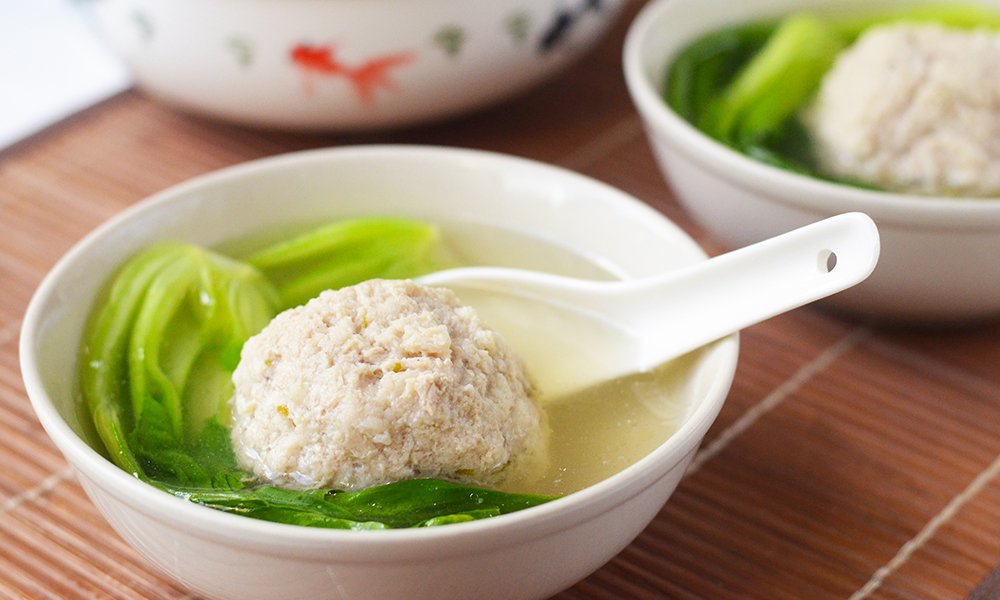
The prestigious Huaiyang style originates from the lands around the great rivers of Huaihe and Yangtze. Historically an imperial cuisine, Huaiyang cooking requires grandmaster-level knife skills to prepare the ingredients to ensure precise heat and flavour absorption, as well as to craft the dishes’ exquisite designs. Huaiyang cooking style also favours the use of Zhenjiang Vinegar, giving dishes a subtle sweetness and aroma.
Nanjing is the historic capital of Jiangsu province, located in the Yangtze River Delta. Nanjing cooking style emphasises the harmony of flavours and matching colours, with dishes often featuring duck, fish, and shrimp.
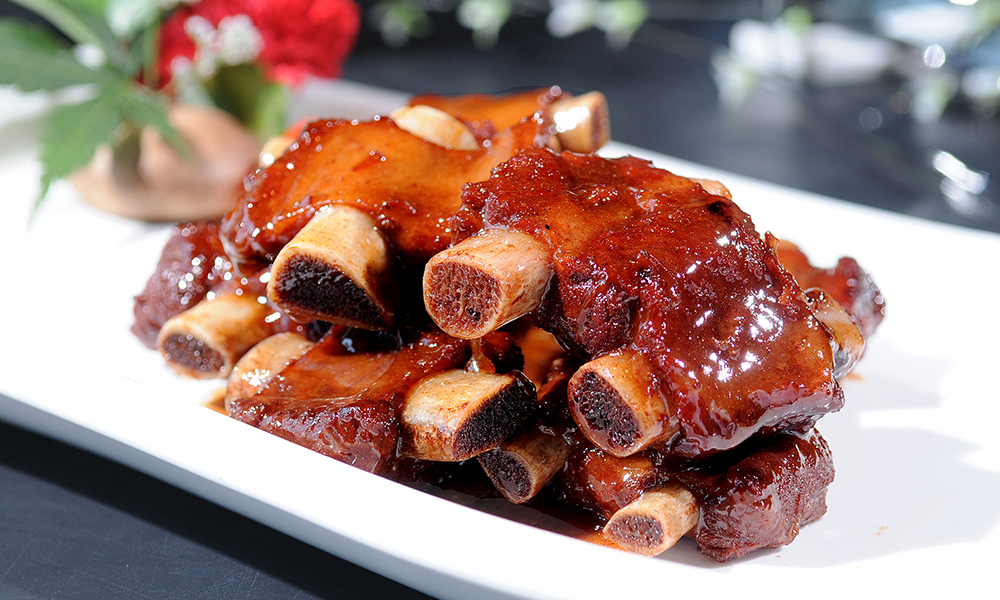
Suzhou is located along the Grand Canal that links the major rivers and lakes from Northern to Eastern China. It has been a hub of commerce, arts and intellectual traditions since the old dynasties. Suzhou cooking style involves the careful selection of fresh seasonal ingredients, with a fondness for bolder, sweeter flavours.
Wuxi stands by one of China’s largest freshwater lakes, Taihu. Hence, the Wuxi cooking style favours a wide variety of freshwater fishes and prawns. Also notable is the usage of sugar and soy sauce in slow-braising dishes, to create sweet-savoury caramelised flavours with an appetising reddish-brown hue.
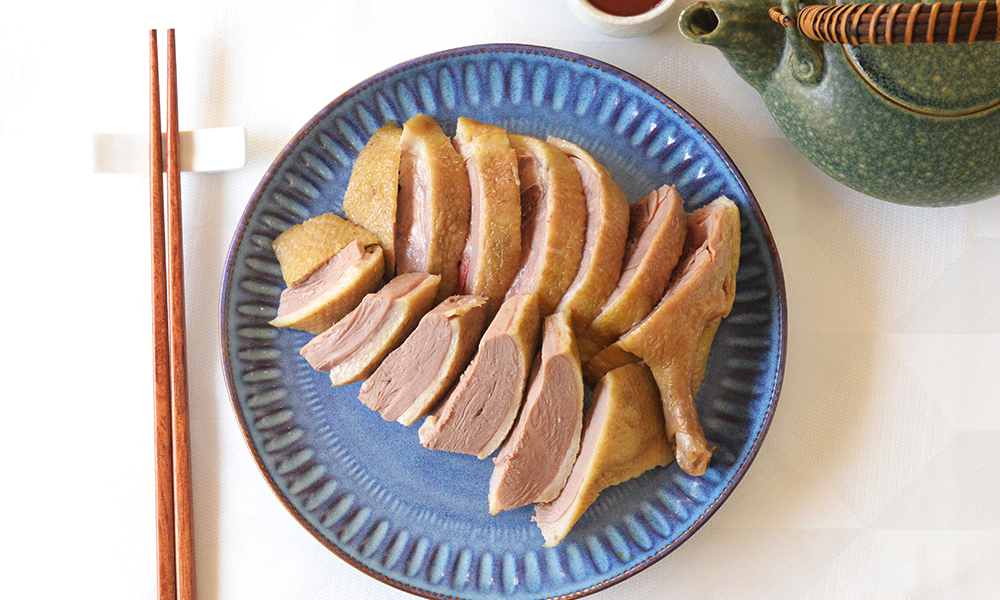
The Nanjing Salted Duck may look simple, yet it’s one of the most popular local Nanjing dishes, especially during the peak duck season in autumn. The duck is marinated with a delicate salt mix, then boiled in a broth with cinnamon, spring onions, ginger, peppercorns, star anise, bay leaves and Shaoxing Wine. This blends the richness of duck with aromatic spices and savoury ingredients, resulting in a tender bite with an amazing flavour and aroma. Try it with our recipe!
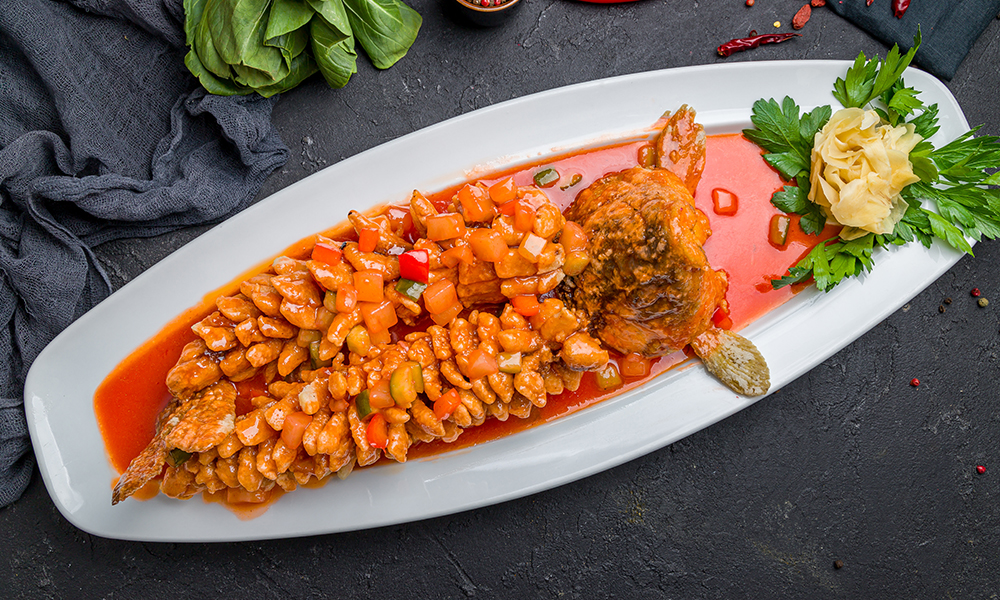
Also known as Squirrel Fish, the Jiangsu Sweet & Sour Mandarin Fish is deboned, cut and sliced with master knife skills to craft into a blooming shape with a raised tail. Marinated with whisked egg yolk and deep-fried to a fine crisp coating that preserves the tender freshness within. Then lathered with a fragrant sweet-and-sour sauce that also gives it a glossy, rosy colour. Absolutely delish!
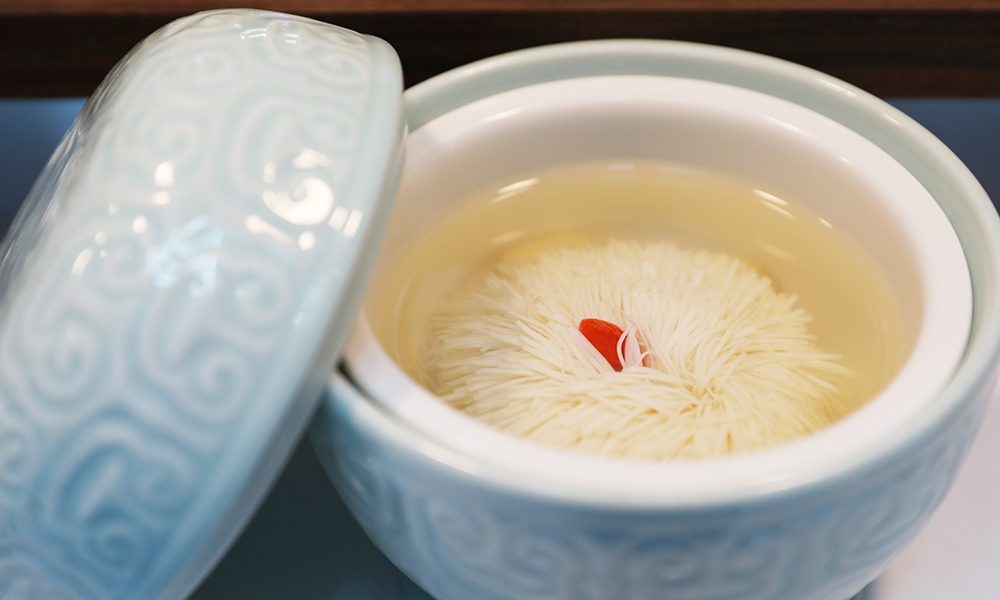
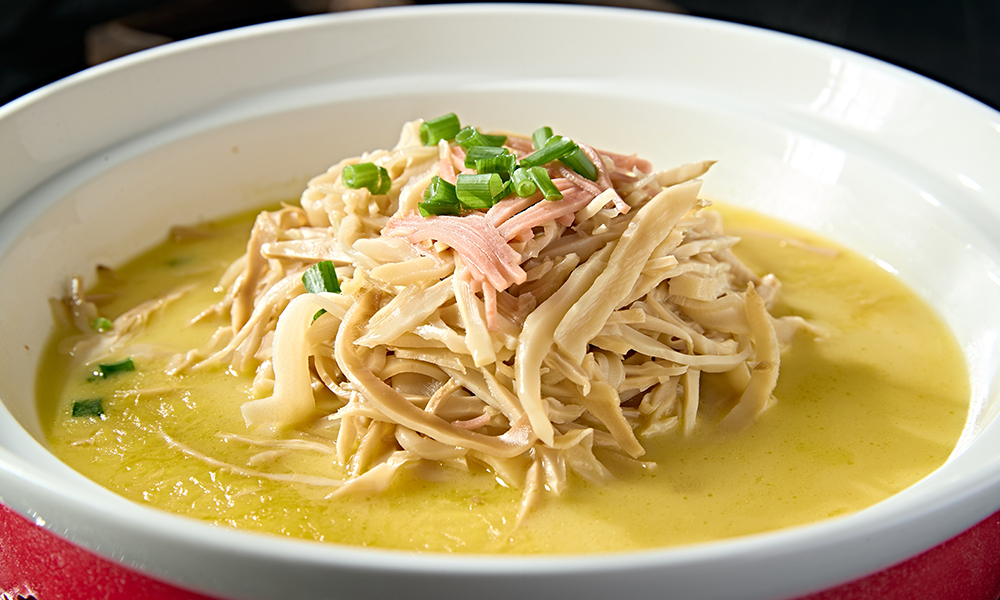
A famed vegetarian dish that originated during the Qing Dynasty, the Wensi Tofu is named after its creator, Monk Wensi. Soft tofu is the main ingredient, typically accompanied by bamboo shoots, shiitake mushrooms and Chinese-style ham. The ingredients are finely cut into hair-thin shreds, and simmered in a savoury stock, resulting in a delicate, velvety broth with a lingering wholesome taste.
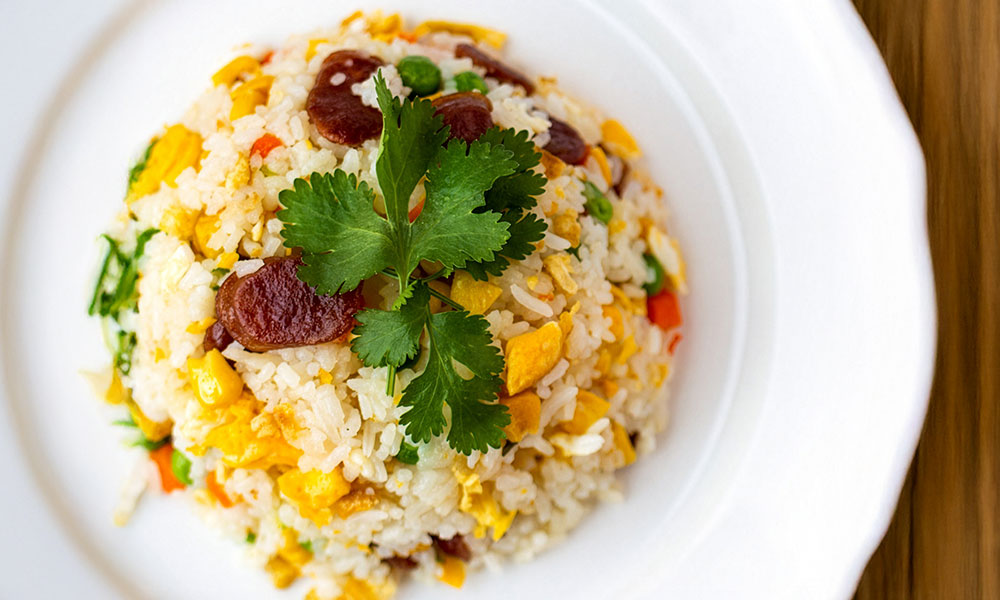
Yangzhou city is the central hub of Huaiyang cuisine, and the Yangzhou Fried Rice is perhaps its most famous household dish. Mainly distinguished by the combo of proteins, diced veggies, and simple yet savoury seasonings that let the ingredients’ natural flavours shine.
Our Yangzhou Fried Rice recipe features egg, shrimp and Chinese sausage or luncheon meat, with green peas and carrots. Easy to cook and yummy to savour!
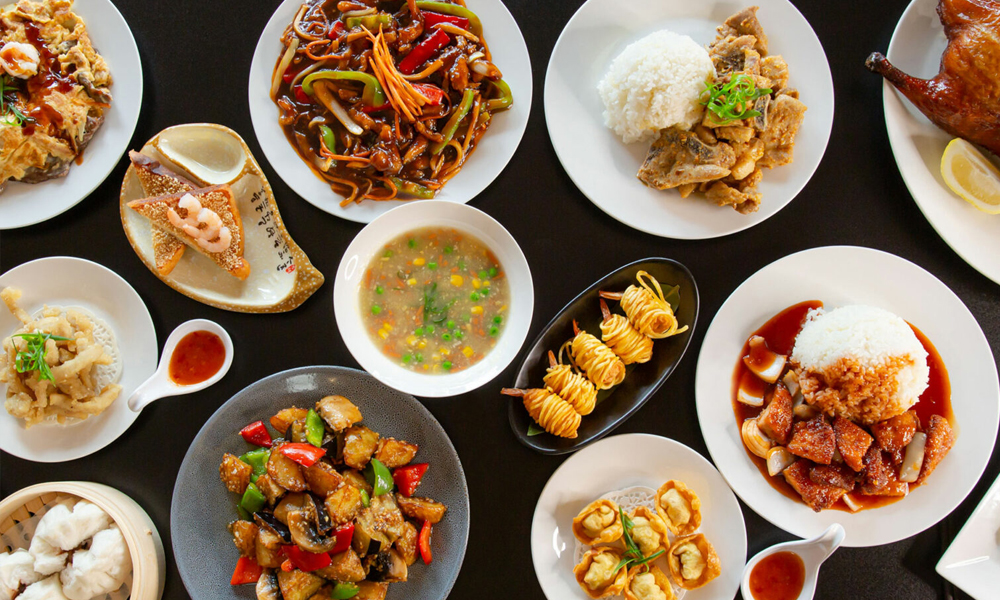
Chinese cuisine comprises 8 Major Culinary Traditions, and each is unique in cooking styles and taste profiles. Come check out our explorations into Yue and Min Cuisines, with more deep dives to come!
Discover how you can use traditional Japanese miso, panko breadcrumbs and matcha to create yummy modern delights!
Make and savour the best homemade deep-fried foods with our handy guide!
Come discover how leaf-wraps give Asian steam-cooked foods an extra tasty touch and other unique benefits!