
-300x200.jpg "Traditional Japanese Ingredients in Tasty Modern Wonders")
Traditional Japanese Ingredients in Tasty Modern Wonders
Discover how you can use traditional Japanese miso, panko breadcrumbs and matcha to create yummy modern delights!
Discover the authentic in Asian cuisine food
-940x627.jpg "Ningbo Cuisine: The Best Kept Secret of Zhejiang Cuisine")
Zhejiang cuisine is among the 8 Major Chinese cuisines, and actually consists of Hangzhou, Shaoxing, Wenzhou and Ningbo culinary styles. Ningbo style is probably the most niche for foreign foodies, although it is considered one of the most flavour-packed cuisines within China, and emphasises fresh, savoury, umami, and funky fermented flavours, as well as a deep love for seafood.
Ningbo is a coastal city along China’s eastern seaboard. Formerly known as Mingzhou, it was a key trading hub of the ancient Maritime Silk Road that has endured and evolved over the centuries into the prosperous port city today, with a plethora of mesmerising heritage sites and scenic landscapes to explore.
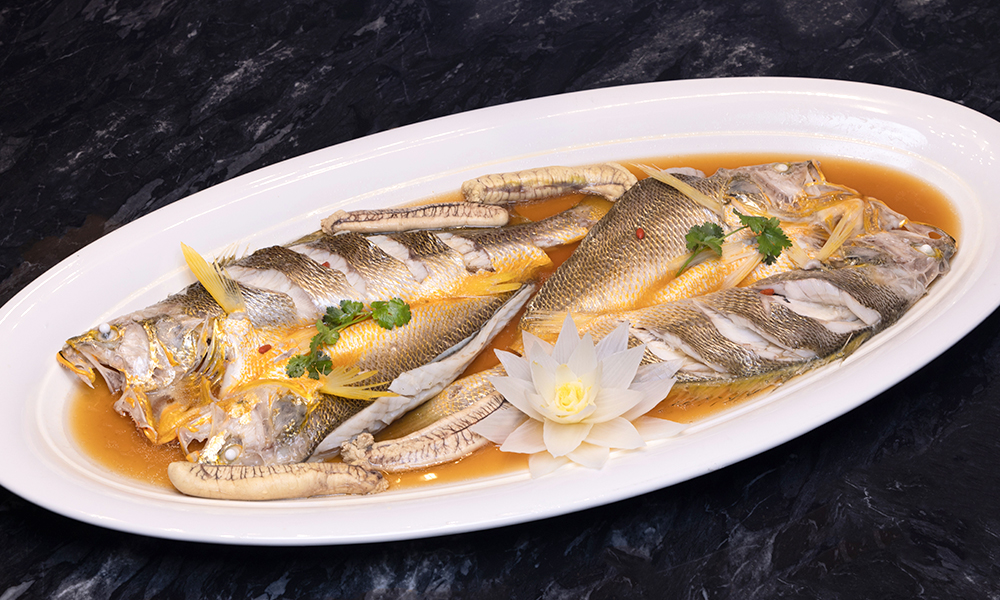
Being a coastal city, the seafood markets are a highlight here, packed daily with fresh crabs, shrimps, prawns, fish, octopuses and many more. Naturally, seafood dishes are also the stars of Ningbo cuisine, cooked with Shaoxing wine to accentuate their freshness, as well as marinated and seasoned to highlight the umami-rich flavours. Signature cooking methods include stir-fry with garlic and coriander, Drunken Crab marinated in rice wine and soy sauce, steamed shellfish, and yellow croaker cooked with preserved mustard greens.
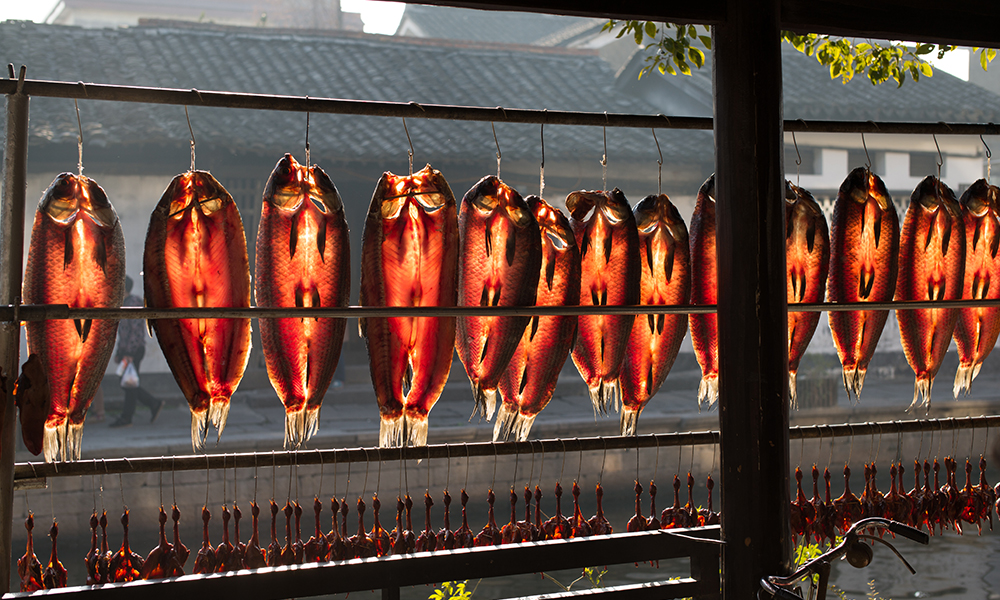
Various types of preserved fish are another Ningbo specialty. Traditionally made by salting and air-drying fresh catches, or curing them in brine and Shaoxing wine, these methods were developed to extend shelf life and concentrate flavour. The result is a range of deeply savoury, umami-rich fish products, enjoyed either steamed, stir-fried, or as flavourful accompaniments to rice and congee.
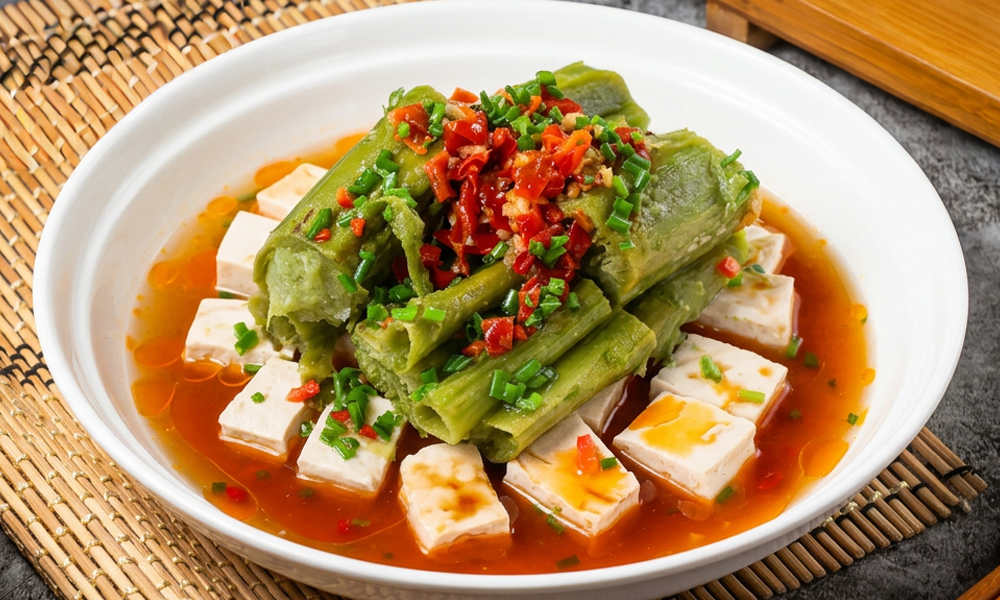
Besides the fresh and umami flavours of seafood, funky, pungent fermented foods are also a core element of Ningbo cuisine. This was the traditional way to preserve food before refrigeration was invented, and has developed over time into a Ningbo expertise. Not only preserving seafood, but fermenting tofu and vegetables as well.
Ningbo Three Stinks is one of the Ningbo classic delicacies. Centred around fermented amaranth stems, the dish often features ingredients such as taro stems, served in a bowl of pungent brine. That may sound challenging, but get past the smell, and you’ll find that the brine actually brings out the vegetables’ natural sweetness with a surprisingly tasty earthy note.
Another Ningbo pungent fave is the Stinky Winter Melon. Made by cutting the winter melon into chunks, cooked and stuffed in an earthen jar with salt and a fermented amaranth stem soup. The jar is sealed and stored in the shade for weeks, before the fermented melon chunks are ready to eat. Seasoned with rice wine and sesame oil, the pungency is diffused and the winter melon’s innate sweetness comes through with a nutty, malty aroma. Typically enjoyed with congee.
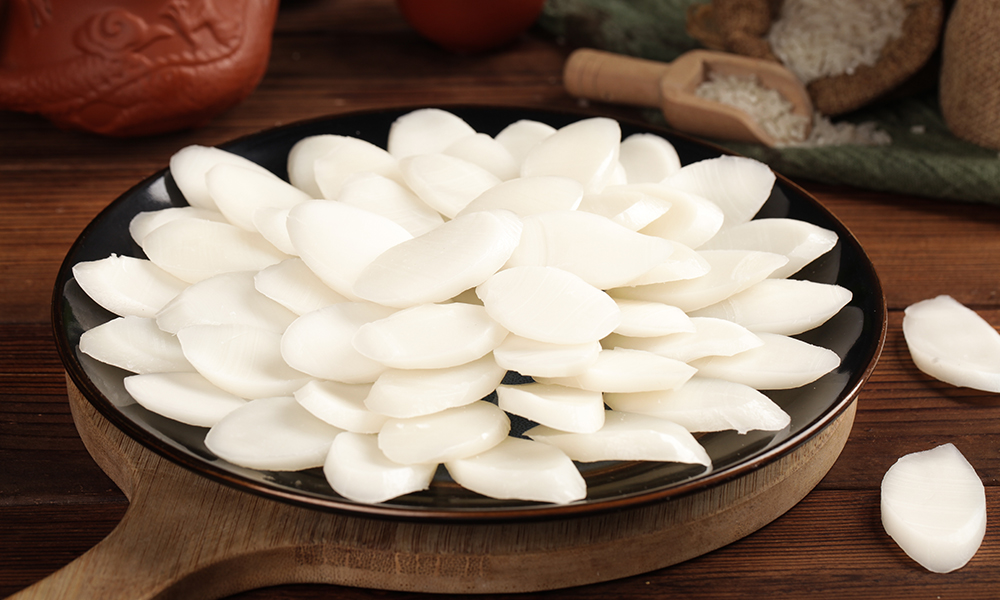
The Nian Gao glutinous rice cake is most commonly known as a sweet, chewy steamed pastry for Lunar New Year. But that is just one of the many variants of Chinese rice cakes. In fact, one of the most famous types of rice cake among Chinese foodies comes from Ningbo, where nian gao is characterised by its smooth texture and white appearance. Besides a dish for Lunar New Year, it’s also an everyday stir-fried dish.
Ningbo rice cake’s origin dates back to the Northern Song Dynasty, 960-1279AD, and its popularity spread across China over the ages. Known for its soft, velvety, chewy bite, and signature pearl-white colour. Traditionally made from japonica rice, soaked and ground with water into a paste, then strained and steamed in high heat, and finally pounded and shaped into rectangular cakes, which are then cut into smaller pieces for cooking.
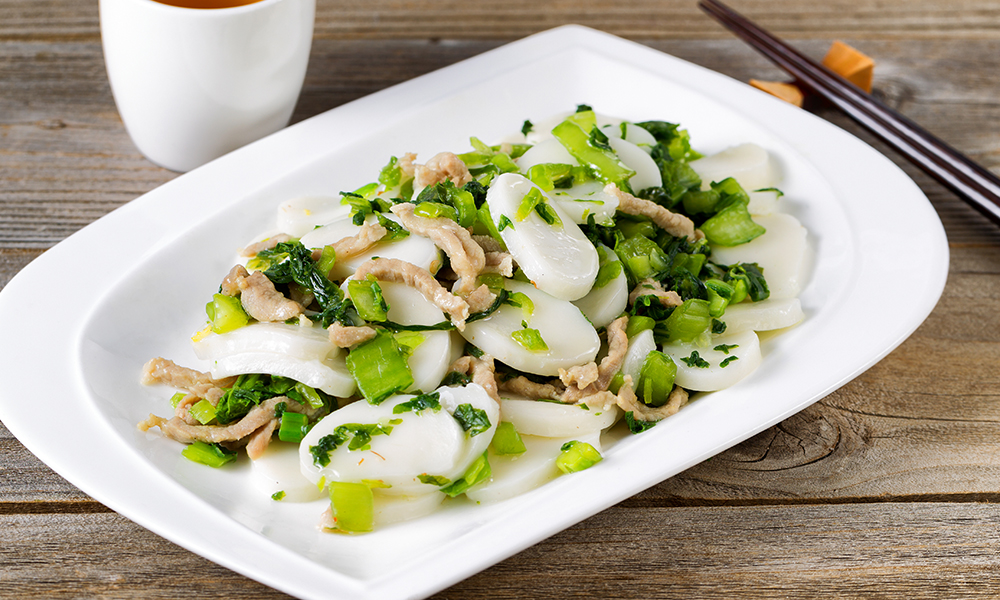
As mentioned, these rice cakes are typically stir-fried in Ningbo cuisine and treated more like a staple ingredient instead of pastry. The most popular Ningbo rice cake dish is cooked with shredded pork, a leafy green, garlic and fermented mustard greens. A savoury and comforting one-plate meal.
In addition to stir-fries, Ningbo rice cakes are also enjoyed in soups, hot pots, or simply steamed and seasoned with sweet soy sauce as a snack dish.
That’s just a brief introduction to the many unique flavours of Ningbo cuisine, rarely found outside of China. If you’re feeling adventurous, plan a trip to Ningbo and explore the wondrous sights, immerse in the friendly local culture and fascinating heritage, and of course, surprise your tastebuds with the exotic and gastronomic delights!
Discover how you can use traditional Japanese miso, panko breadcrumbs and matcha to create yummy modern delights!
Make and savour the best homemade deep-fried foods with our handy guide!
Come discover how leaf-wraps give Asian steam-cooked foods an extra tasty touch and other unique benefits!