
-300x200.jpg "Traditional Japanese Ingredients in Tasty Modern Wonders")
Traditional Japanese Ingredients in Tasty Modern Wonders
Discover how you can use traditional Japanese miso, panko breadcrumbs and matcha to create yummy modern delights!
Discover the authentic in Asian cuisine food
Around the World, Asian Pantry
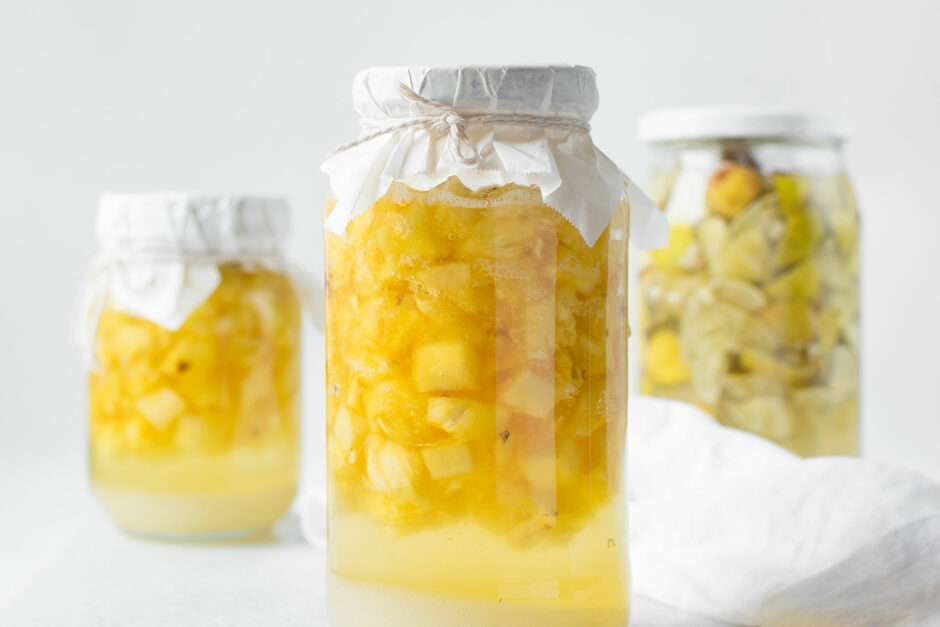
Sweetness is a fundamental taste for drinks, confectionaries and desserts around the world, and often a flavour-balancer in spicy, tangy Asian dishes. Sugar is, of course, the most ubiquitous sweetener around the world. But Korean cuisine has a traditional sweetener with a fruity twist, namely, Cheong.
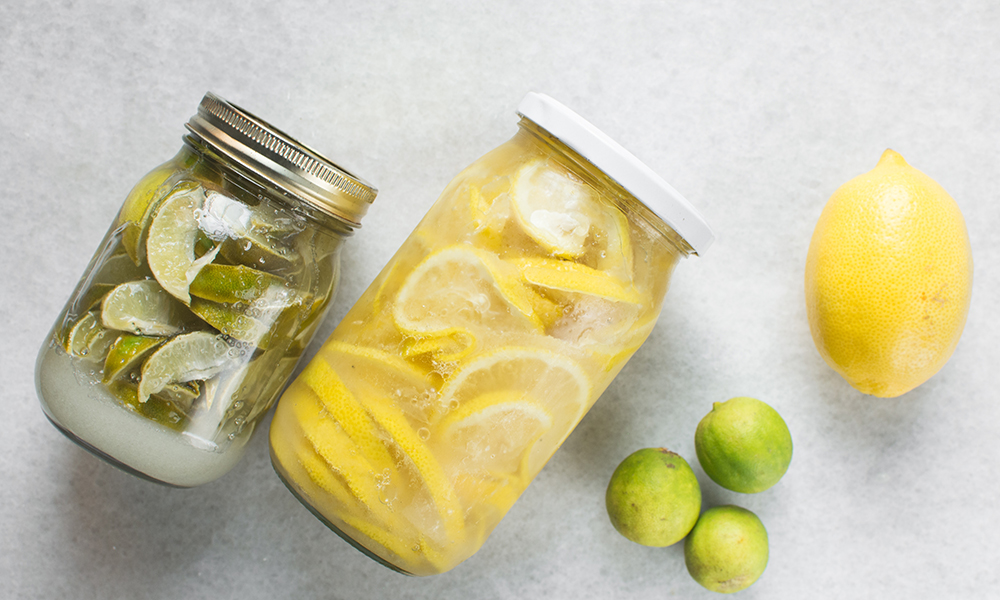
Cheong or Chung refers to syrups and marmalades in Korean cuisine, made by preserving fruits with sugar. The traditional method involves gently layering equal parts of fruit and sugar into airtight jars, then sealed and kept over months. The process deepens the ingredient’s natural flavours and locks in the nutrients, producing sweet extracts with a fruity taste and fragrance. Besides drinks and desserts, Cheong is also used with other flavour ingredients to enrich sauces and marinades, elevating the overall aroma and savouriness of a dish.
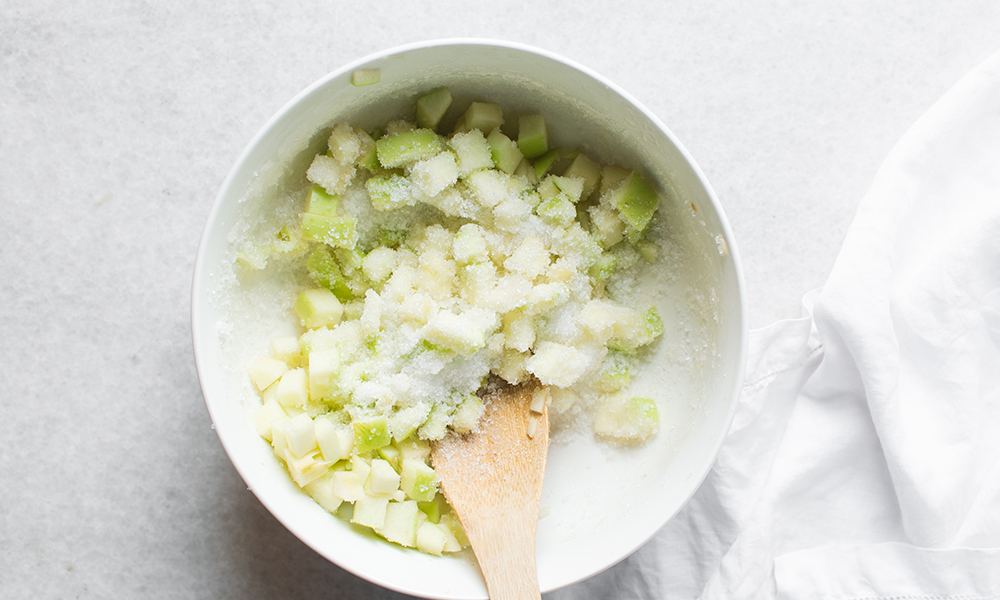
Cheong’s history dates back to the Joseon Dynasty, and used to be a food sweetener for royals. Over time, the preservation technique spread across the land, and had become integral to the Korean culinary tradition. Cheong is considered just as essential as other preserved ingredients like Doenjang savoury fermented soybean paste and Gochujang chilli paste.
Cheong is also commonly made with seasonal fruits like green plum, quince, and pear, resulting in a variety of flavours and aromas.
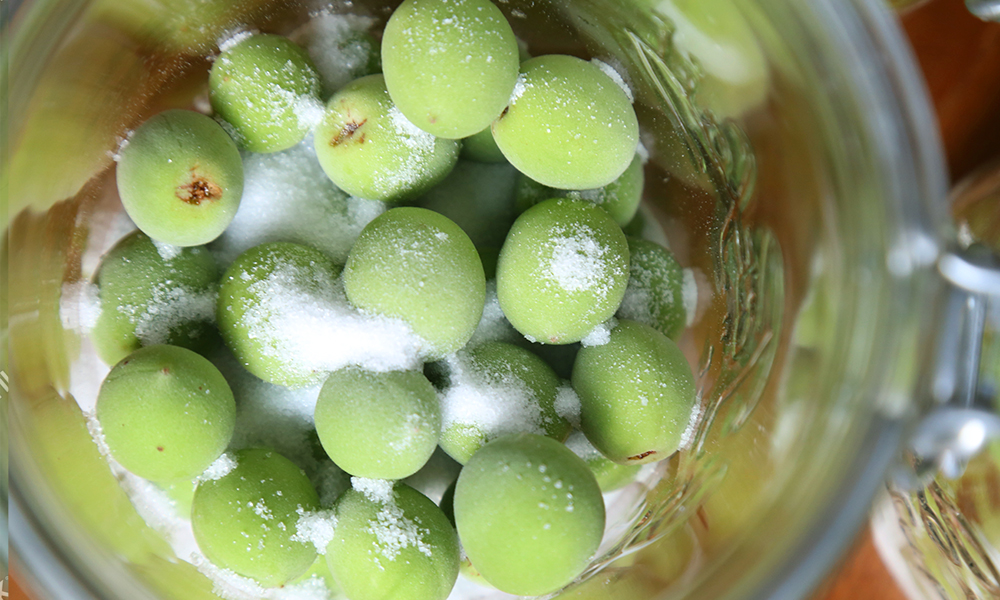
Raw green plums have a strong sour taste and bitter note. But when preserved with sugar, the green plum extract becomes Maesil-cheong with a sweet and mellow tangy flavour and deep fruity aroma. Mix Maesil-cheong with water, and you’ll get a cosy-sweet dessert drink. Add Maesil-cheong to the classic Bulgogi marinade for a richer umami taste. Combine Maesil-cheong with Gochujang, garlic and vinegar to make Cho-gochujang, a traditional spicy, sweet and tangy dipping sauce for seafood dishes. You can also uplift the taste of your salad dressings with a dash of Maesil-Cheong.
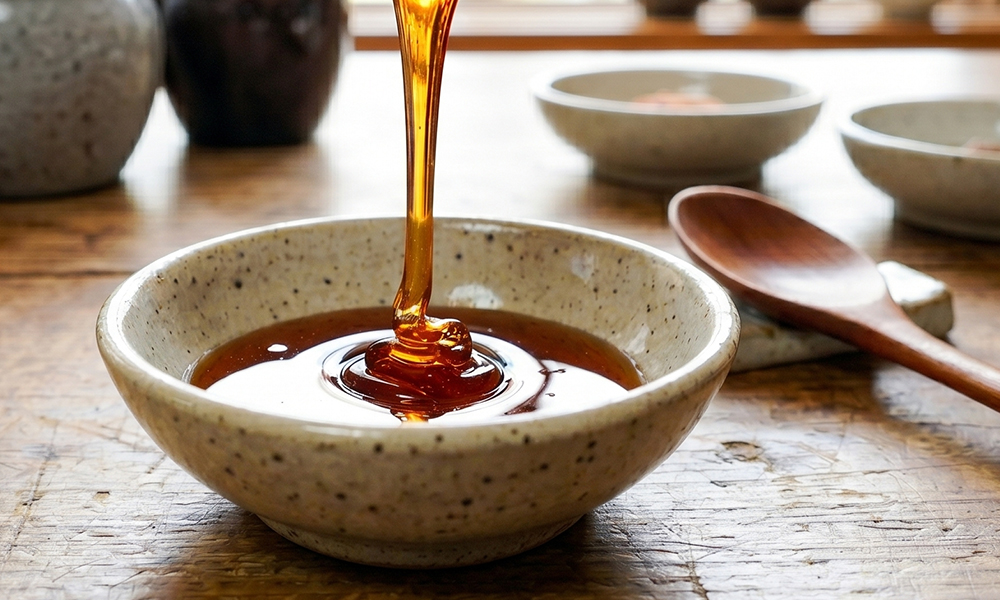
Probably the oldest Korean sweetener, Ssal-jocheong rice syrup, had existed before the advent of refined sugar. As such, traditional Ssal-jocheong is actually made by fermenting cooked rice with barley malt powder. The extracted rice syrup has a thick gluey texture, and an earthy sweetness with a mild grainy note.
Ssal-jocheong is an essential flavour ingredient to make the classic sweet potato noodles cold dish Bibim Dangmyeon, the Beoseot Ganjeong sweet sauce crispy mushrooms stir-fry, the Korean soy-braised peanuts Ddangkong Jorim side dish, and many more.
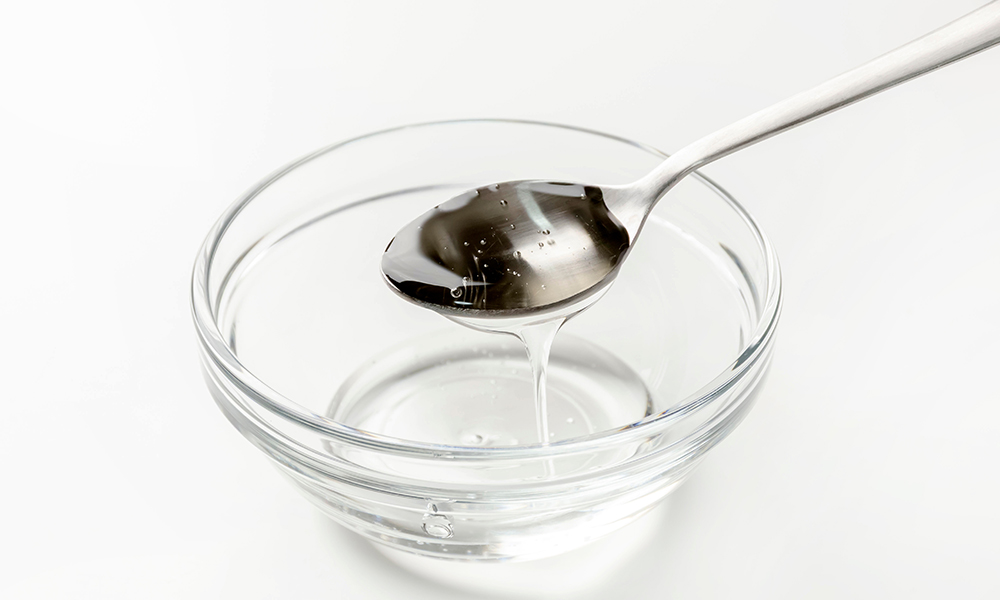
Mul-yeot translates to ‘liquid candy’, and is traditionally made from cornstarch. It is most commonly used to flavour the iconic spicy-sweet and savoury Tteokbokki rice cake, braised dishes and stir-fries, as well as a popular substitute for rice syrup in traditional Korean recipes. Besides imparting a smooth sweetness and subtly malty flavour, Mul-yeot can also tenderise meats and give your dishes a gorgeous appetising sheen.
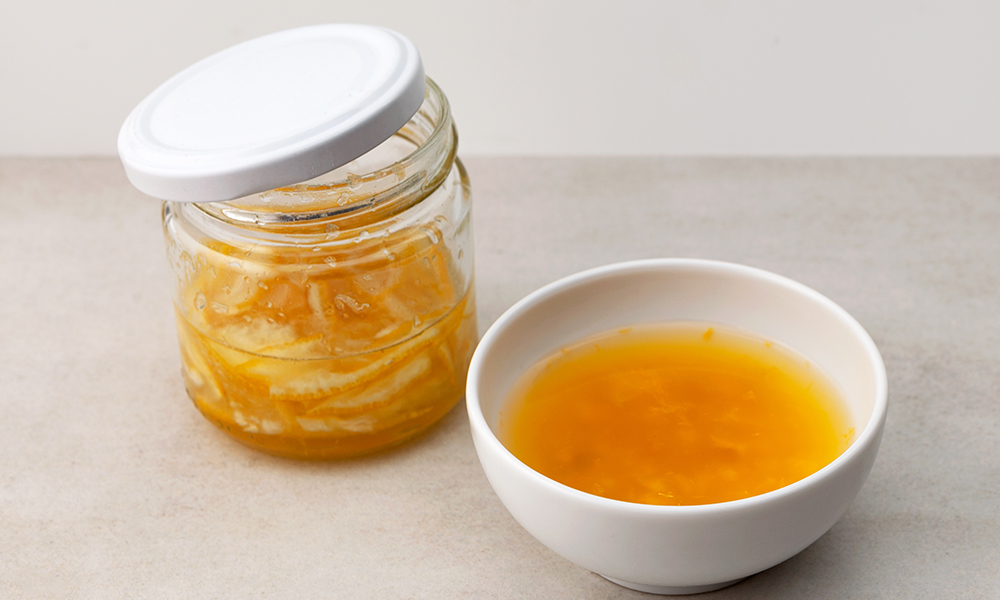
Yuja-cheong is a marmalade-like preserve made by preserving Yuzu fruits with sugar. The Yuzu is first peeled, depulped and delicately cut into thin slices before sugared to allow for the fruit’s tangy zing to fully release and blend with the sweetness. Yuja-cheong is typically mixed with hot water to make Yuja-cha, a winter warmer tea with a soothing mild bittersweet flavour. It can also be used in cooking and baking as a honey or sugar substitute that adds a refreshing sweet and tangy aroma to your dishes and pastries.
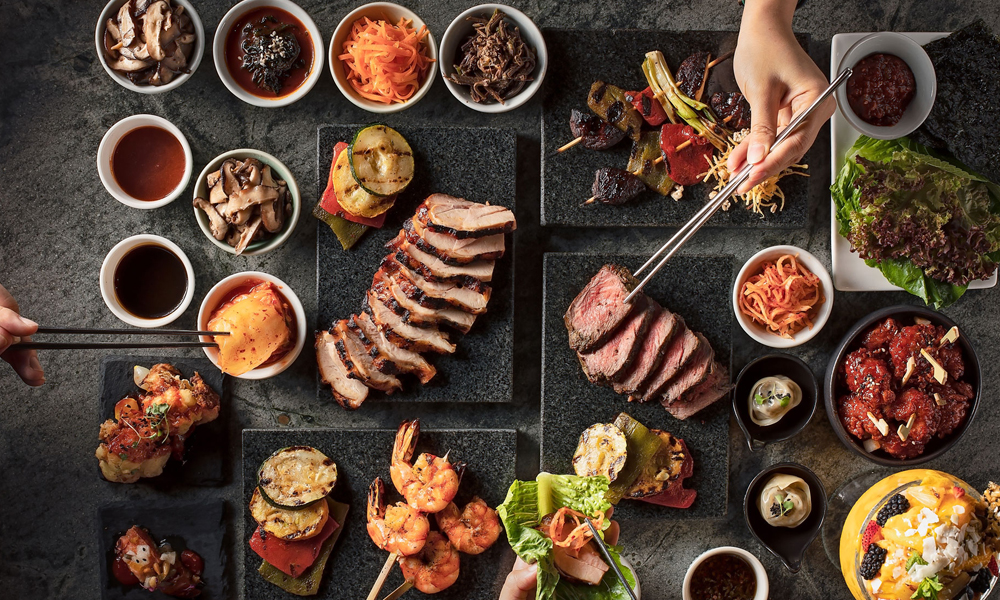
The Korean culinary tradition has a range of unique ingredients that define the cuisine’s signature flavours. Come discover the difference between Korean soy sauce and other soy sauces, and learn more about them here!
Discover how you can use traditional Japanese miso, panko breadcrumbs and matcha to create yummy modern delights!
Make and savour the best homemade deep-fried foods with our handy guide!
Come discover how leaf-wraps give Asian steam-cooked foods an extra tasty touch and other unique benefits!