
-300x200.jpg "Traditional Japanese Ingredients in Tasty Modern Wonders")
Traditional Japanese Ingredients in Tasty Modern Wonders
Discover how you can use traditional Japanese miso, panko breadcrumbs and matcha to create yummy modern delights!
Discover the authentic in Asian cuisine food
Around the World, Asian Pantry
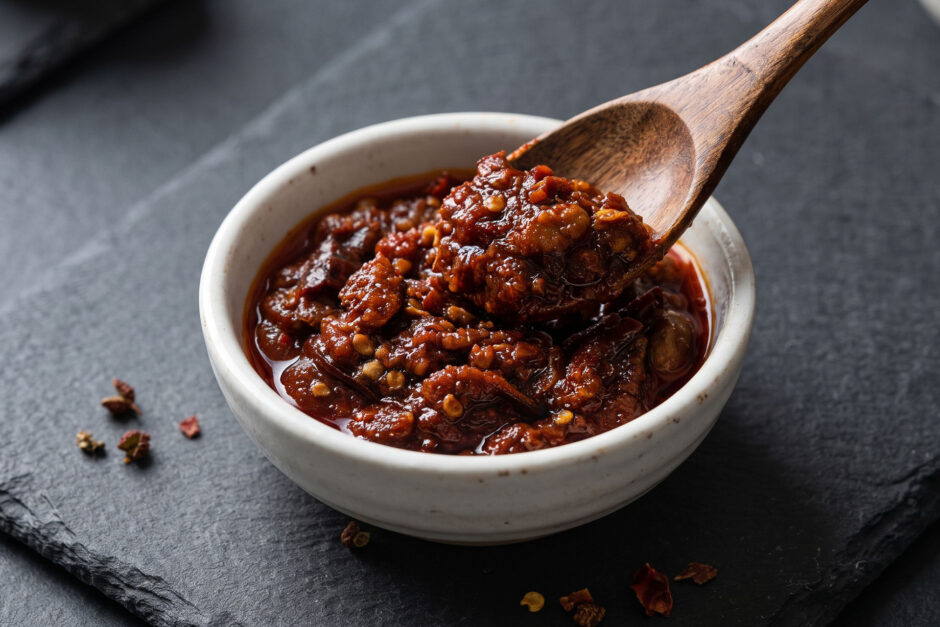
Next to Sichuan peppercorns, Doubanjiang is perhaps the most vital seasoning ingredient in Sichuan cuisine. The former imbues the signature Mala numbing-spicy zing, while the latter serves as the zesty, umami foundation that enriches Sichuan cooking with a bold flavour depth. In fact, Doubanjiang plays such an important role that it is known by Chinese spicy lovers, foodies and chefs alike as the ‘soul of Sichuan cuisine’.
So, what exactly is Doubanjiang, and how to use it in your cooking? Let’s find out!
Made of fermented broad beans, soybeans, chilli and salt, Doubanjiang is a spicy paste with a thick, soft, clumpy texture and reddish brown colour. Developed over centuries following the introduction of chilli peppers to China in the late 16th century, Doubanjiang quickly became a defining seasoning of Sichuan cuisine, prized for its rich, savoury depth and distinctive spicy flavour. And, thanks to its amazing versatility, it is also a staple ingredient in Xiang/Hunan cuisine, as well as a common spicy condiment across China.
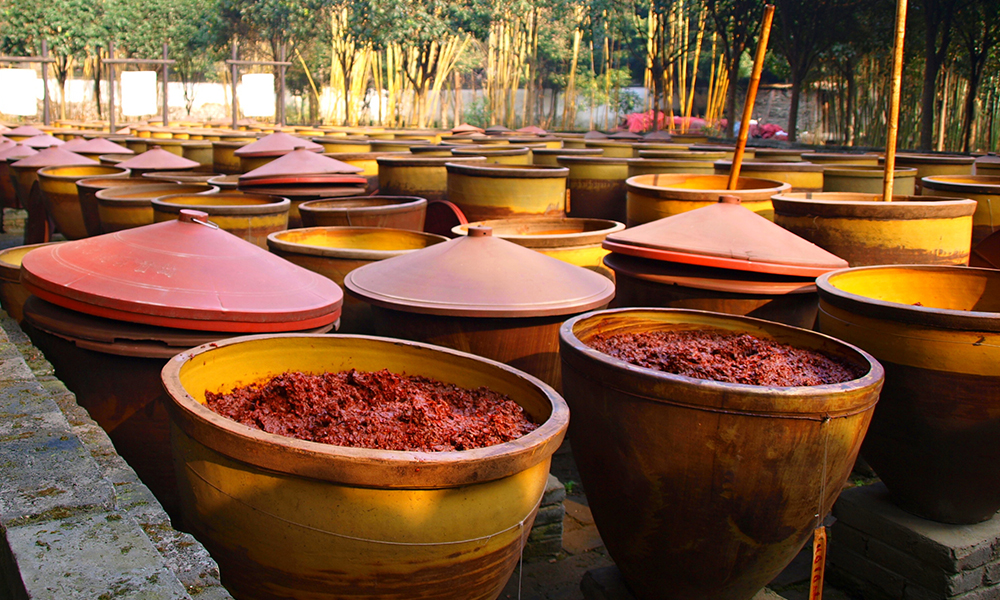
Pixian in Sichuan province is the most celebrated producer of traditional Doubanjiang, where the paste is fermented over years in large earthen crocks, to develop a consistently rich chilli zest and deep umami taste; especially prized among chefs and foodies.
Outside of China, spicy Doubanjiang may sometimes be confused with other fermented bean sauces as they’re both typically translated as ‘fermented bean sauce’. One common source of confusion is black bean sauce, a savoury condiment made with fermented black bean, garlic, ginger, and other seasonings. It has a different taste profile and a dark brown hue, primarily used to add an earthy, savoury taste to Chinese braised dishes. So, be sure to look for the red variant of Doubanjiang to get that bold, warm spicy, savoury flavour.
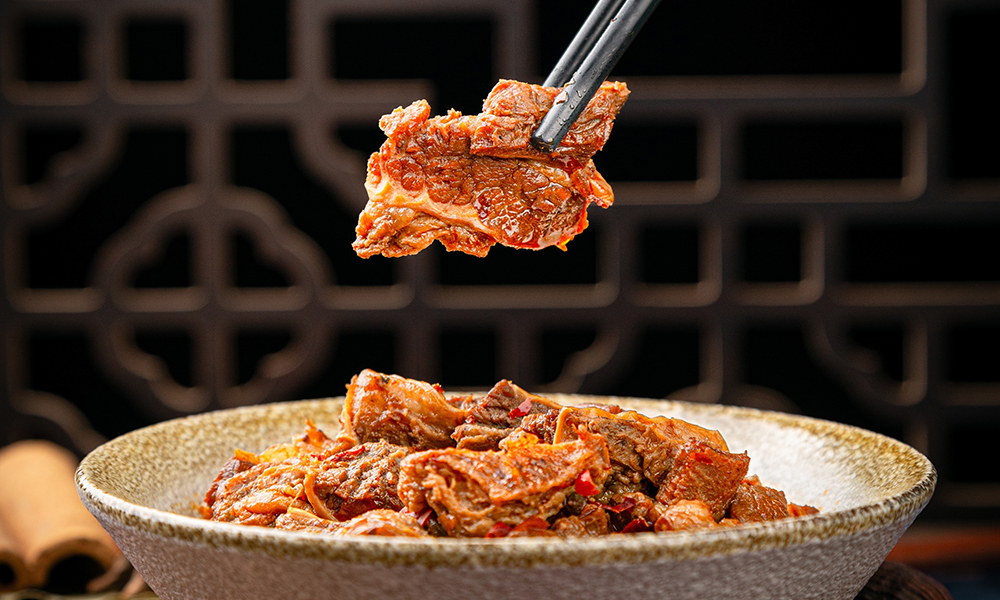
As mentioned above, Doubanjiang is a versatile seasoning that can be used to enrich stir-fries, braised dishes, soups and more. It blends well with other Chinese pantry staples like soy sauce, Shaoxing wine and oyster saue to create a flavour depth of warm, complex flavours.
When used together with Sichuan peppercorns, the numbing zest is uplifted by the Doubanjiang’s chilli heat, and tapers off to reveal a dish’s savoury depth. Meanwhile, in Hunan cooking that emphasizes fiery chilli zing, Doubanjiang can smoothen the sharpness and give dishes an appetising savoury with a lingering warmth.
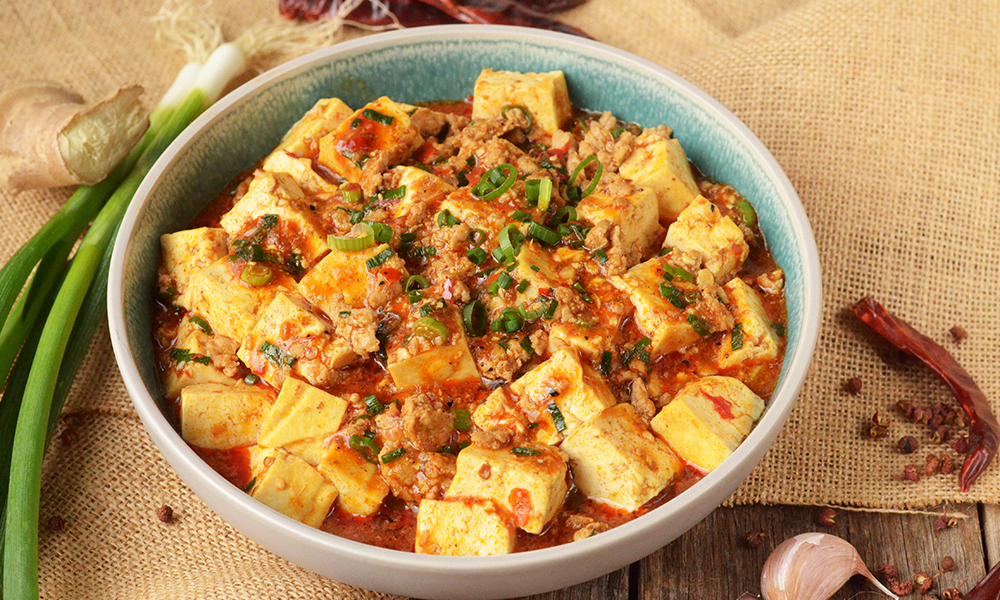
The iconic Sichuan Mapo Tofu gets its signature spicy zing and savoury depth from a simple combo of Sichuan peppercorns, garlic, ginger, Doubanjiang, and chicken stock. Gently simmered into a vibrant gravy that imbues the soft tofu with a harmonious warmth that invigorates, comforts and satisfies.
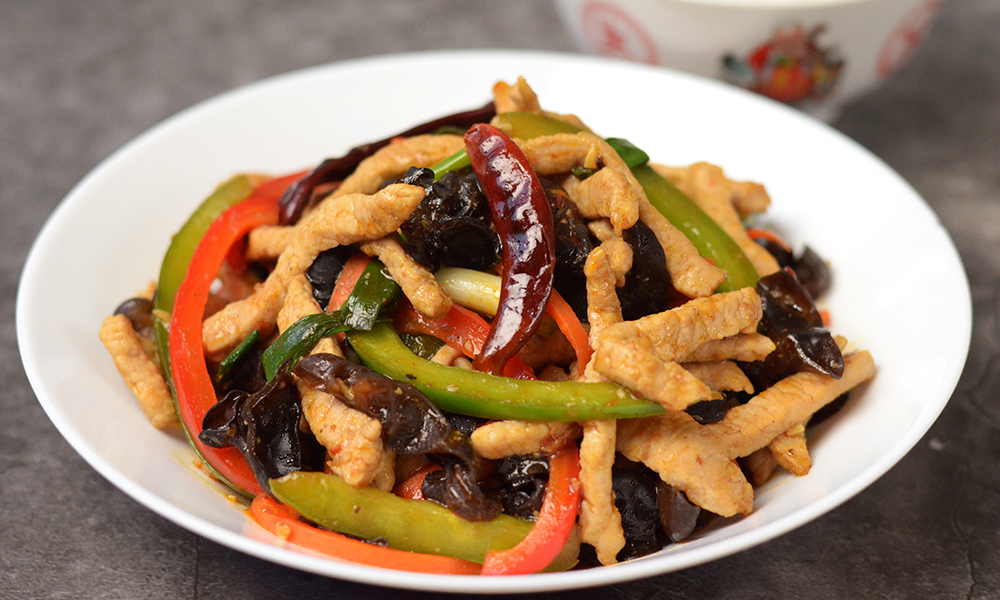
Tender, juicy shredded pork slices stir-fried with crunchy veggies, Doubanjiang, dried chillies, ginger and garlic; uplifted with a simple blend of light soy sauce, black vinegar and Shaoxing wine. The Doubanjiang’s spicy zest compliments the dried chilli warmth, and combines with the sauce blend to give the dish an appetising umami depth that also accentuates the pork and veggies’ natural flavours. Serve with steamed jasmine rice for a tantalising meal. Cook it up with our recipe!
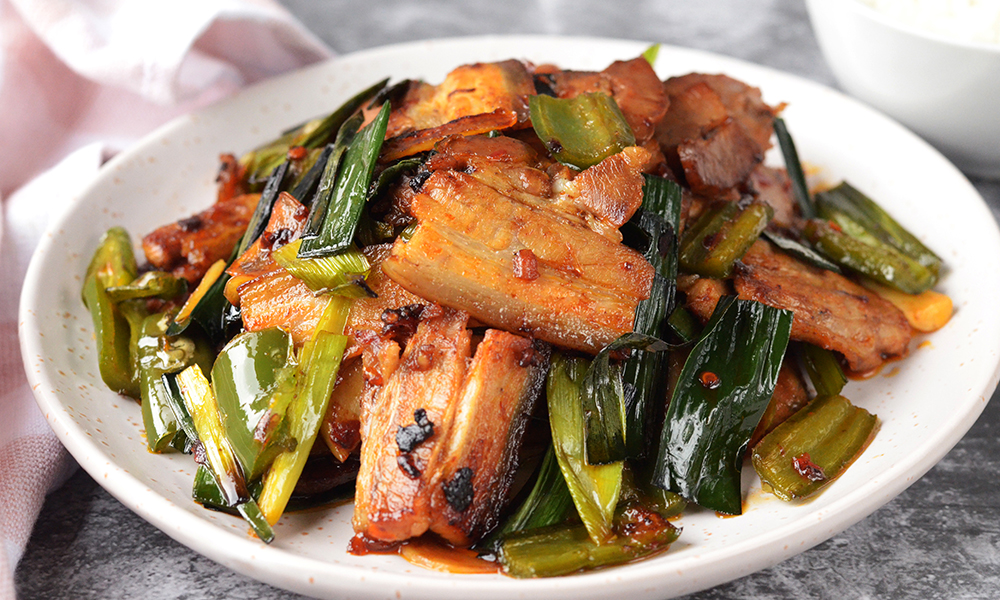
Another Sichuan specialty, Twice Cooked Pork has an irresistible hearty, spicy taste that keeps you wanting more of it. The pork belly is first boiled and simmered with Sichuan peppercorns, spring onion, ginger and Shaoxing wine to tenderise the meat and uplift it with the combined spicy, savoury-sweet aromas. Then seared and paired with Chinese leeks in a quick stir-fry, flavoured with Doubanjiang, garlic, light soy sauce, and Shaoxing wine for a zesty, umami oomph. Easy to cook and amazing to taste!
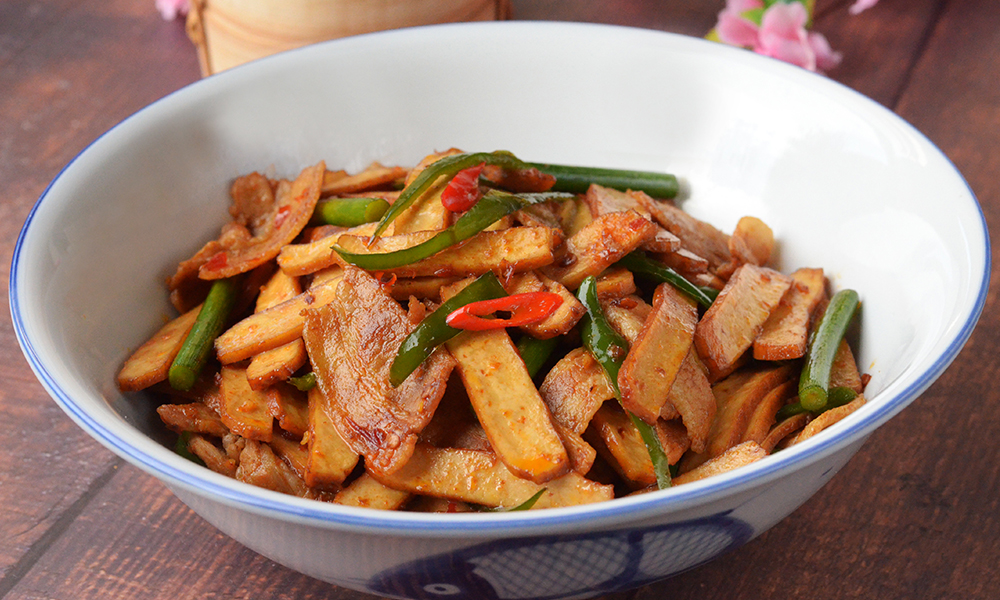
Soft, thinly-cut pressed tofu with succulent pork belly slices in a simple stir-fry that exudes an alluring spicy aroma with a zingy, savoury flavour. The secret to this Hunan delight is two-fold: the dry-fried green chilli peppers which gives them a subtle smoky aroma, and the seasoning blend of Doubanjiang, light soy sauce and oyster sauce that gives the dish a spicy, savoury kick. Try it with our recipe!
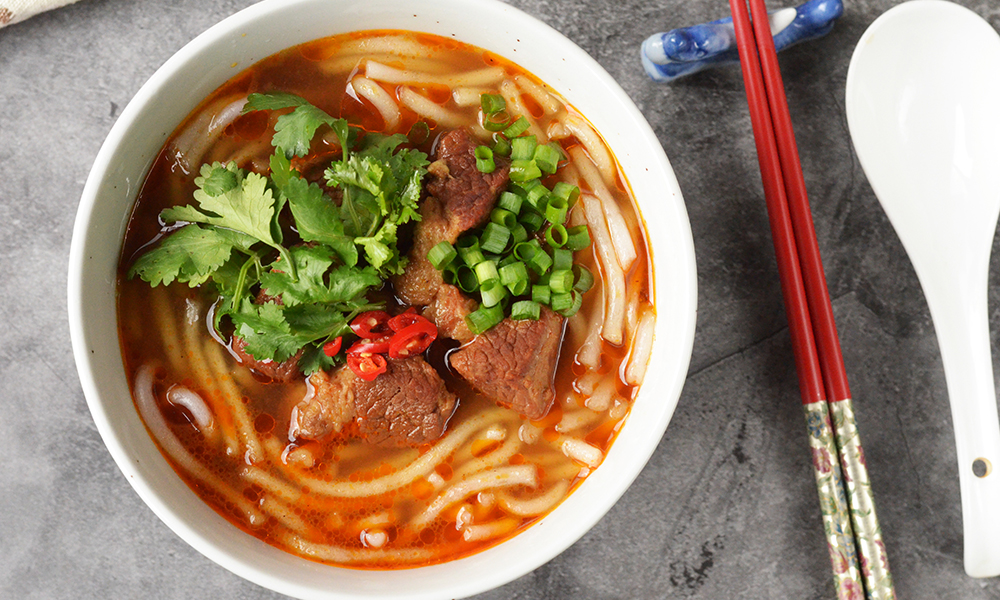
A beloved street food specialty of Changde city in Hunan province, this bold and piquant beef rice noodle soup is seasoned with a complex blend of warm aromatics. Enriched with Doubanjiang, the result is a rosy coloured fragrant broth that accentuates the tender beef chunks’ scrumptious flavour, and thrills your tastebuds with a spicy, savoury slurp!
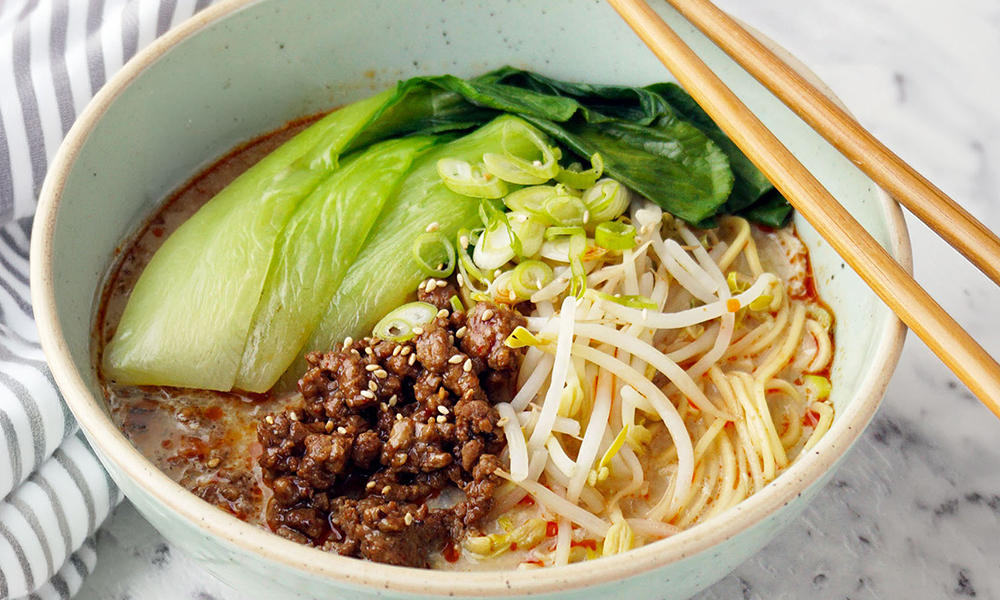
Inspired by the Sichuan street food of the same name, Japanese Dan Dan Noodles transforms the original dish into a piquant and umami ramen soup. Made creamy with soy milk, and topped with tender pork mince flavoured with both sweet and spicy Doubanjiang, uplifted with malty-sweet sake and savoury soy sauce. Garnished with refreshing bean sprouts, bok choy, green onion and fragrant toasted sesame seeds. A cosy, warming treat!
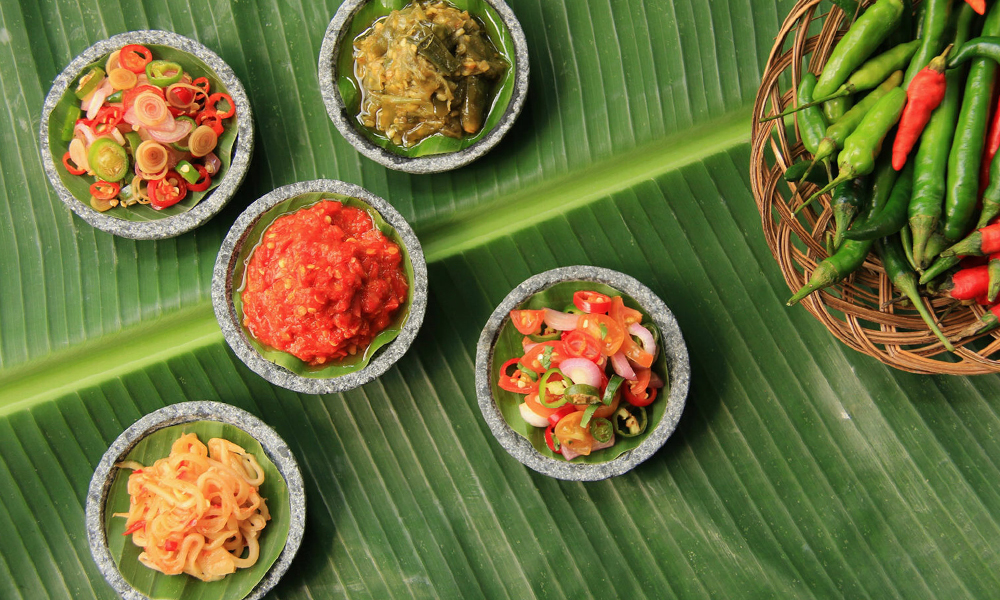
Spiciness is a spectrum of fiery, warm, piquant and heaty flavours, and every Asian cuisine has their own spicy ingredients with unique taste profiles and culinary uses. Come discover the tropical zest of Indonesian Sambal, the minty zing of Japanese Wasabi, the spicy thrill of Korean Gochujang, and the variety of tasty Asian chilli oils!
Discover how you can use traditional Japanese miso, panko breadcrumbs and matcha to create yummy modern delights!
Make and savour the best homemade deep-fried foods with our handy guide!
Come discover how leaf-wraps give Asian steam-cooked foods an extra tasty touch and other unique benefits!