
-300x200.jpg "Traditional Japanese Ingredients in Tasty Modern Wonders")
Traditional Japanese Ingredients in Tasty Modern Wonders
Discover how you can use traditional Japanese miso, panko breadcrumbs and matcha to create yummy modern delights!
Discover the authentic in Asian cuisine food
Around the World, Asian Pantry
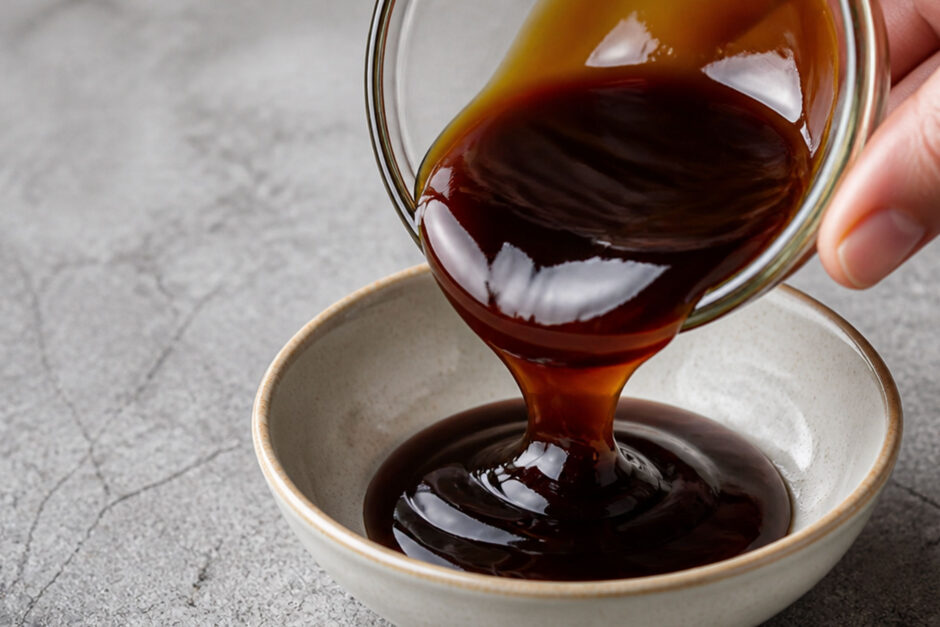
From Cantonese kitchens to Southeast Asian street food stalls, oyster sauce has become a familiar ingredient across Asia, valued for its ability to add umami, richness, and balance to a variety of dishes. First created in Guangdong in 1888, oyster sauce has since evolved beyond its Chinese culinary roots, finding its place in cuisines such as Thai, Vietnamese, and more.
Made by concentrating the natural essence of oysters into a thick, glossy sauce, it brings depth and complexity to dishes, with a rich, caramelised quality. Across different Asian cuisines, cooks have embraced oyster sauce in their own ways, pairing it with local seasonings, herbs, and cooking techniques to create dishes that are uniquely their own.
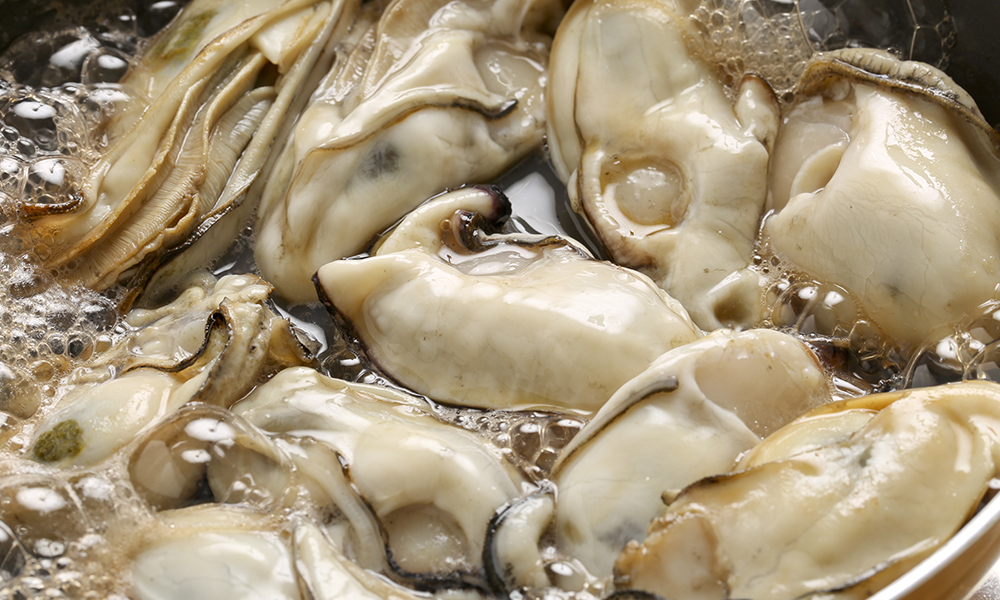
This cross-cultural journey is what makes oyster sauce so fascinating. While its origins are rooted in Cantonese cuisine, its adoption across Asia showcases how a single ingredient can be interpreted in different ways, shaped by local ingredients, traditions, and cooking styles to create flavours that feel both familiar and distinctive.
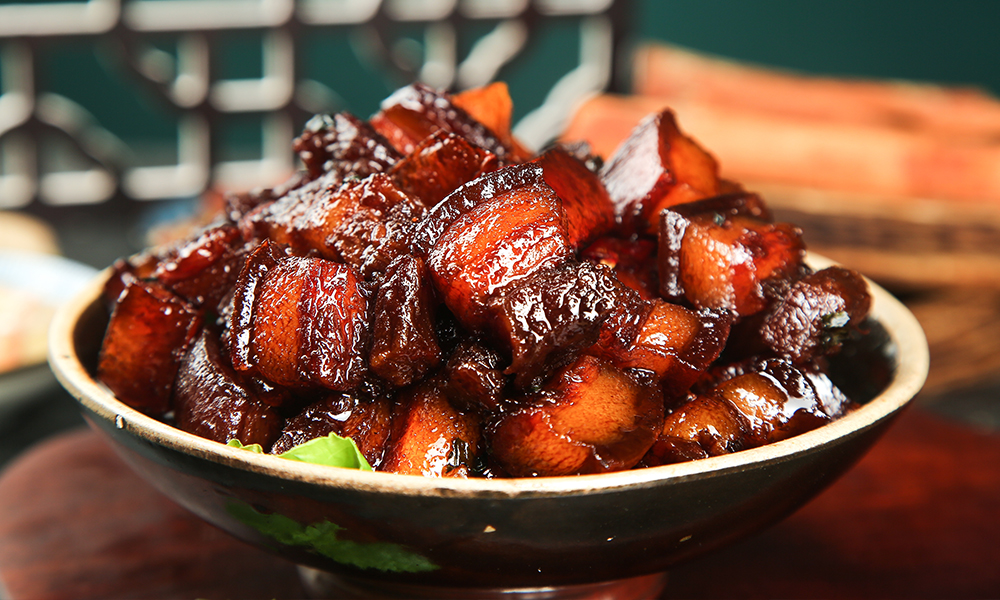
As a staple in many Chinese kitchens from households to restaurants, oyster sauce is among the base seasonings for stir-fries, braises and steamed dishes. It is typically mixed and blended with soy sauce, garlic, ginger and Shaoxing wine to accentuate the natural flavours of your dishes’ key ingredients.
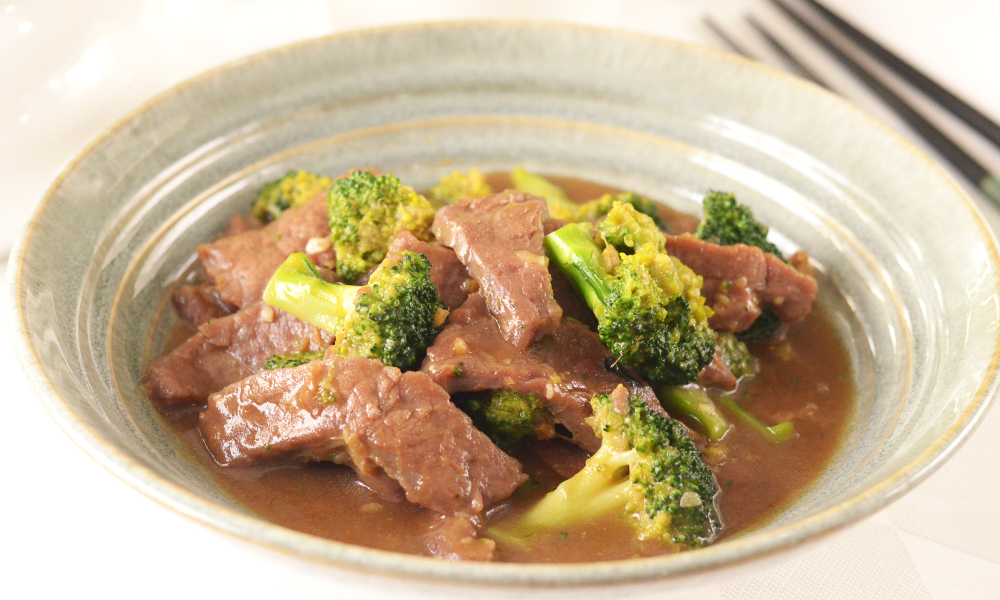
In the cherished family dish of beef and broccoli stir-fry, oyster sauce serves to develop the sauce’s rich umami depth, complementing the tender-crisp broccoli and succulent beef slices. It also adds savoury depth to the beef marinade, melded into the beef’s original hearty taste and develops a rich flavour that carries through every bite. Come relish the flavour with our recipe.
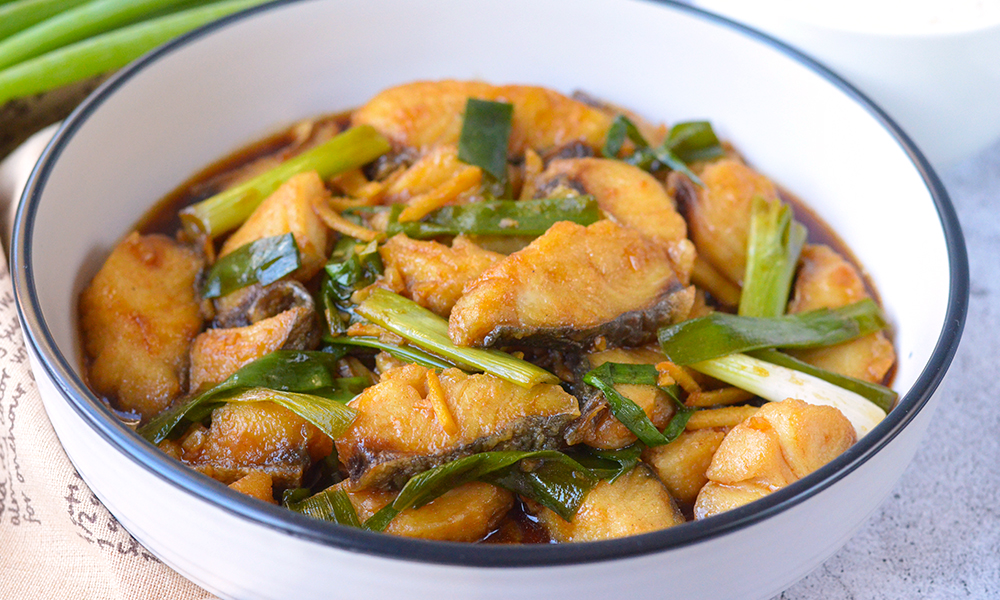
For fish lovers, herbaceous spring onion and warm ginger zest is a classic Cantonese pairing to season pan-fried fillets. The duo infuses the fish with a fresh, aromatic fragrance and gentle warmth. Oyster sauce adds a rich umami boost that complements the delicate flavour of the fish while enhancing the fragrant notes of spring onion and ginger, bringing the dish together. A satiating delight across Chinese households and diners.
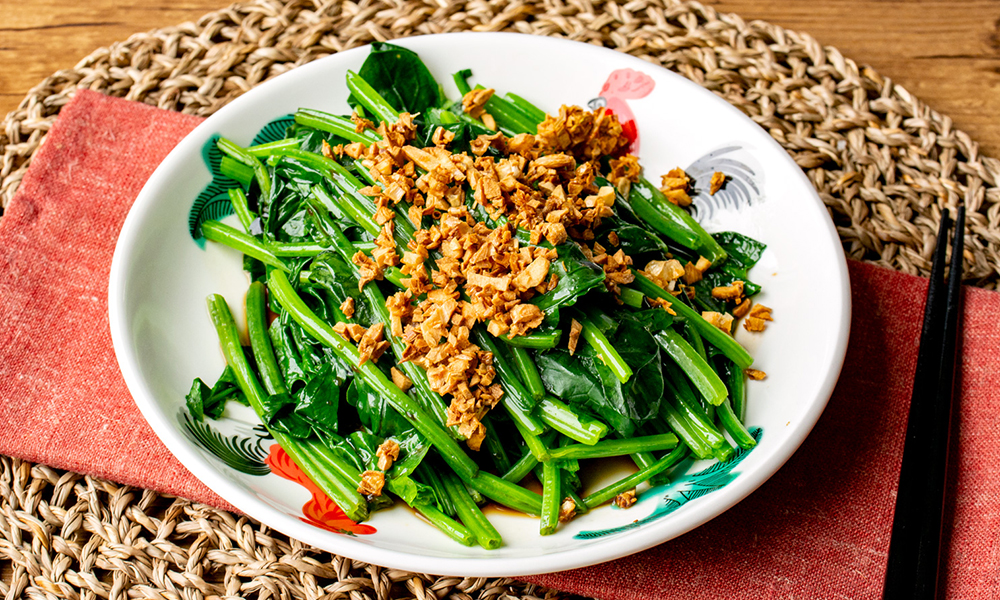
In Chinese cooking, even simple vegetable dishes can be elevated with oyster sauce and turn into appetising dishes as well. The crisp and fibrous Kailan, or Chinese broccoli, is infused with the nutty fragrance of fried garlic in this quick and easy stir-fry. Then given a rich savoury boost with oyster sauce, resulting in a refreshing, tasty and wholesome side dish to pair with meaty mains.
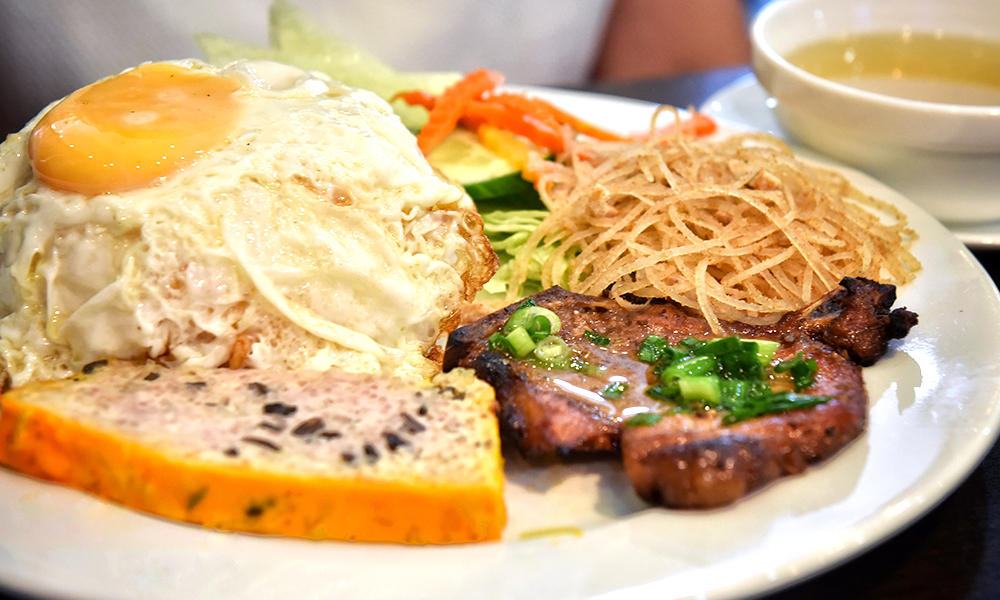
Vietnamese cuisine is celebrated for its balance of fresh herbs, aromatic ingredients, and bold, clean flavours, where sweet, sour, salty, and savoury elements come together harmoniously. Oyster sauce fits naturally into this philosophy, lending a rich umami depth that helps round out different elements of a dish. It serves as a versatile ingredient in Vietnamese cooking, from creating a rich, caramelised coating for grilled meats to adding depth while complementing fresh herbs and vegetables in stir-fries and salads.
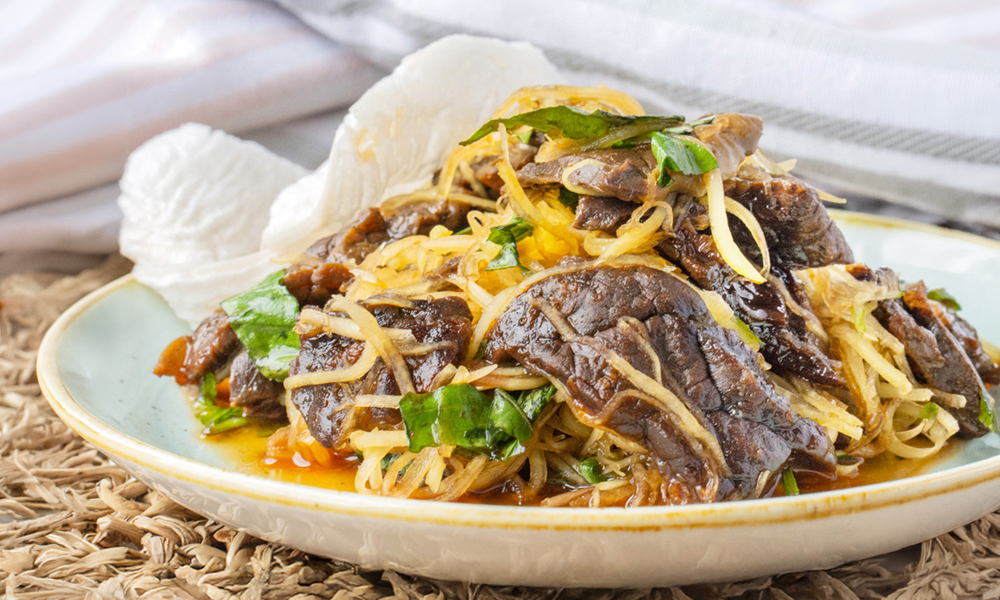
In the classic Vietnamese Beef and Papaya Salad, the umami richness of oyster sauce is at the heart of the beef’s marinade mix, harmonising the bold savouriness of fish sauce, the citrusy freshness of lemongrass, and the warm, aromatic notes of five-spice powder. The marinade imbues the beef with a richly layered taste, while its tender, juicy texture creates a satisfying contrast to the refreshing and crunchy green papaya shreds. Tossed in a savoury-sweet and spicy, tangy dressing to complete the salad’s luxuriant flavour.
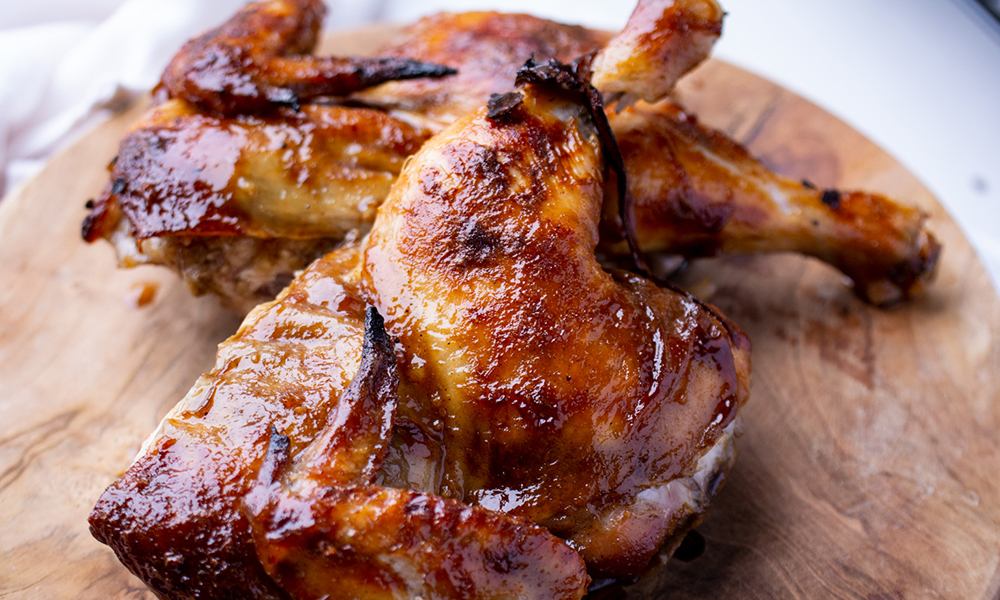
Similarly, Vietnamese roast chicken Ga Nuong calls for a generous coating of its multi-flavoured marinade where oyster sauce takes centre stage. Complemented by the savoury notes of soy sauce and fish sauce, the warm spice of five-spice powder, and the citrusy aroma of lemongrass. As the chicken roasts, the oyster sauce helps the marinade cling to the chicken, developing a glossy, richly coloured coating and a delicious caramelised finish that enhances the chicken’s smoky, savoury flavour.
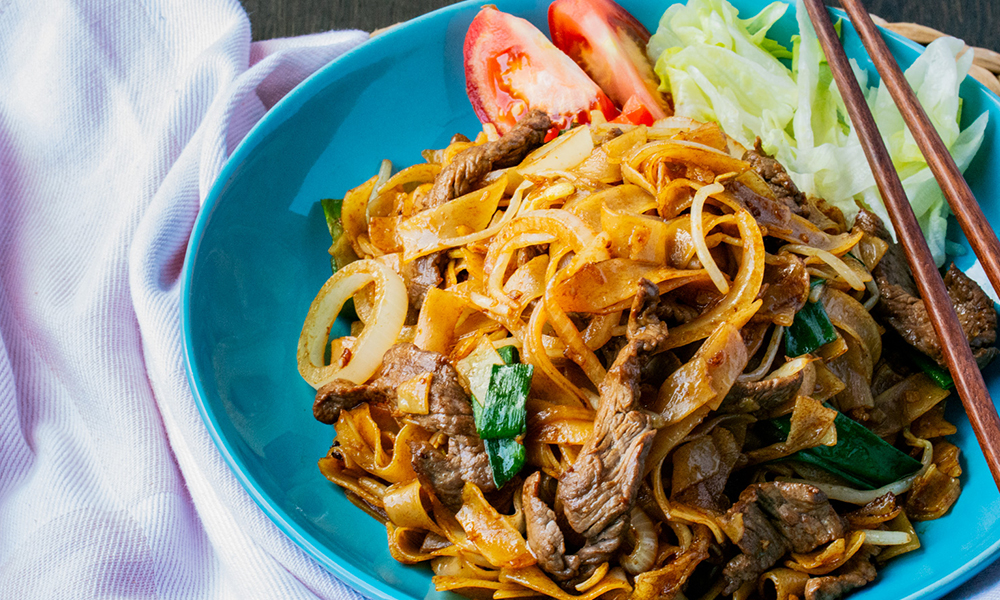
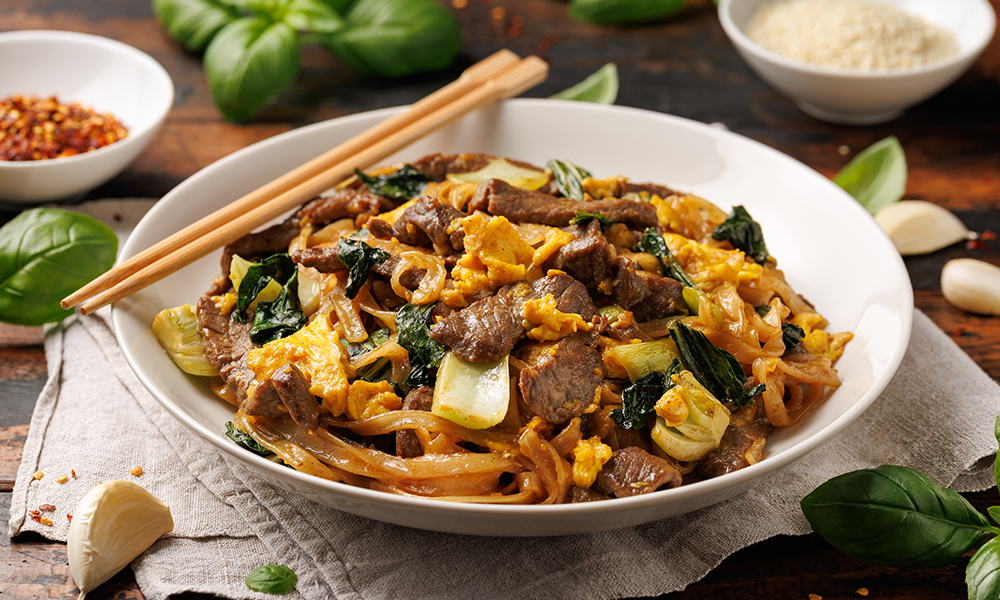
The beloved street food stir-fry Pho Xao Bo is another Vietnamese classic where oyster sauce plays a starring role, uplifting the beef in its marinade blend while bringing rich umami flavour to the flat rice noodles through the seasoning sauce mix. The result is a warm and appetising umami whole with a pairing of soft, springy noodle texture and tender beef, complemented by crunchy bean sprouts and spring onion aroma.
Thai cuisine is known for its bold aromatic character, with ingredients such as garlic, herbs, and spices layered together to create intensely fragrant and flavourful dishes. Oyster sauce has found its place in Thai cooking with its umami depth and savoury-sweet character, adding body to marinades, stir-fry sauces, and seasoning blends without overshadowing the distinctive flavours of Thai ingredients. Often paired with fish sauce, soy sauce, garlic, chilli and sugar, it helps create well-rounded seasonings for Thai dishes
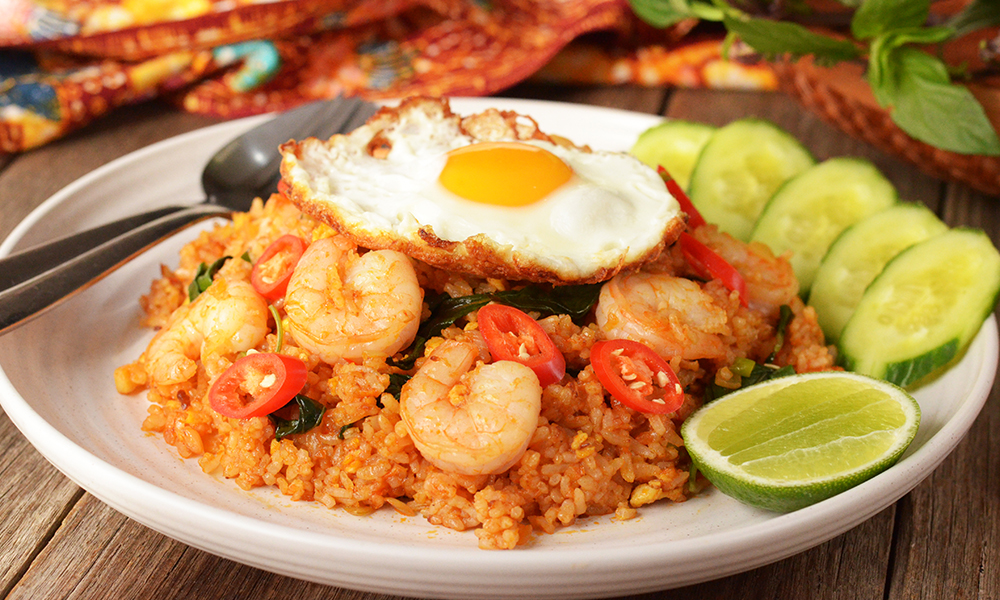
In the classic Thai chilli fried rice, oyster sauce brings a umami taste that is used to mingle and balance with the saltiness of light soy sauce, fish sauce, the tang of tamarind paste, and the spicy sweetness of Thai chilli jam. This blend forms the base seasoning that compliments the prawns’ succulent taste, infused with lemongrass fragrance and bird’s eye chilli zest, and gives the fried rice an invigorating, sensational flavour.
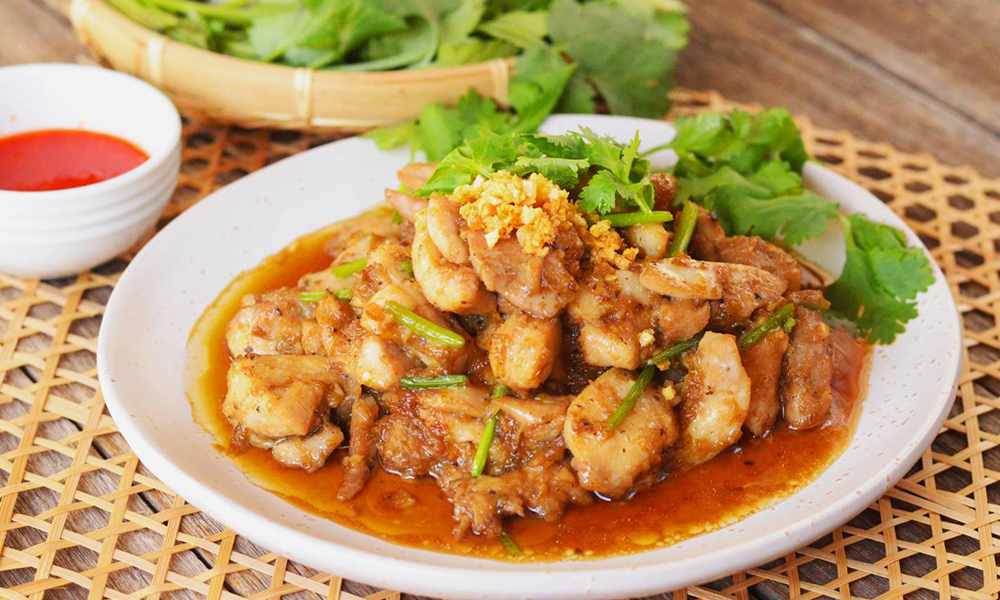
For the traditional Kratiem-style stir-fried chicken, garlic, coriander and peppercorns form the dish’s aromatic core, while oyster sauce combines with a host of savoury sauces in a bold marinade blend, serving as a smoothing agent and flavour balancer that contributes to the dish’s umami, fragrant whole. Enjoyed with rice and a zesty, tangy chilli vinegar sauce.
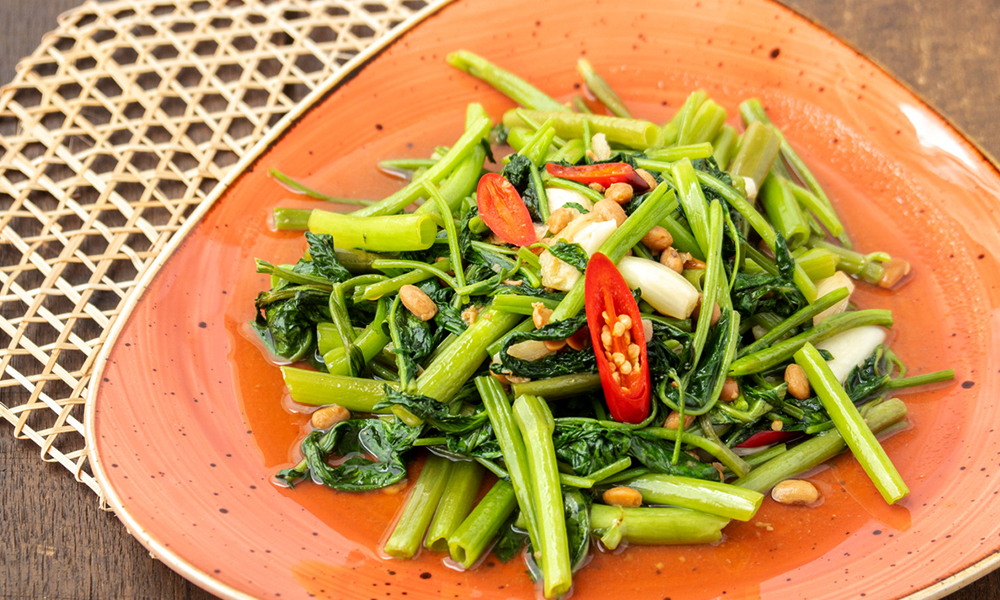
Thai cuisine also uses oyster sauce to bring depth and balanced flavour to simple stir-fried vegetables. In this popular Thai side dish, leafy and fibrous water spinach is stir-fried with salted soybeans, aromatic garlic, and fiery bird’s eye chillies, then enriched with oyster sauce for a vibrant, rounded finish.
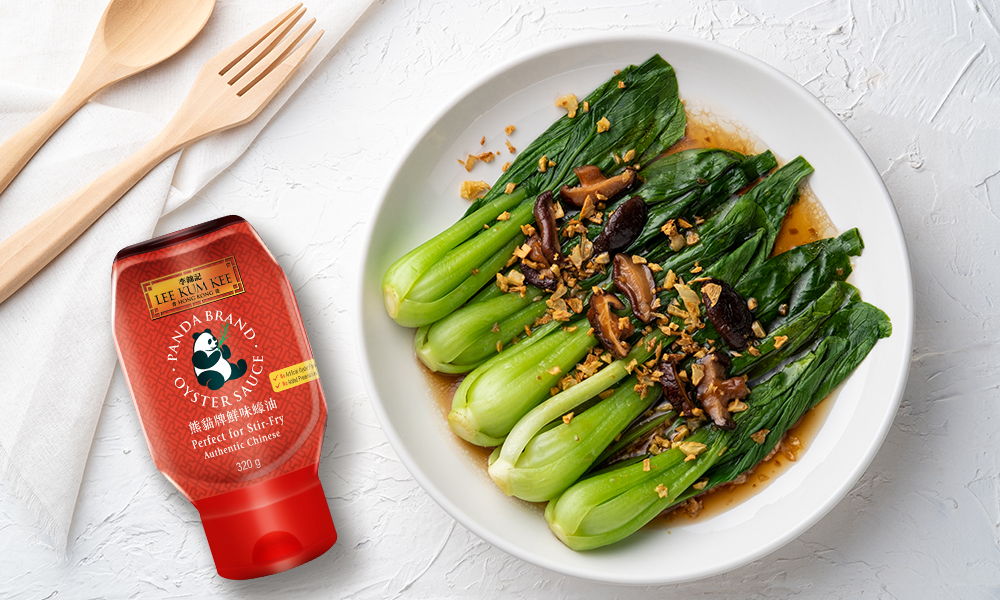
Lee Kum Kee is the premier provider of authentic Asian sauces and condiments, as well as the inventor of oyster sauce, renowned and trusted across Asia for generations.
Lee Kum Kee Panda Brand Oyster Sauce is meticulously made from the finest fresh oysters, with no added preservatives nor flavourings. Now available in an easy-to-use squeezable bottle, it makes adding a touch of umami to your favourite dishes more convenient than ever. Find it at supermarkets and Asian grocers near you.
Grab one today, and check out more delicious Asian yummies you can make with oyster sauce in our massive recipes collection!
Discover how you can use traditional Japanese miso, panko breadcrumbs and matcha to create yummy modern delights!
Make and savour the best homemade deep-fried foods with our handy guide!
Come discover how leaf-wraps give Asian steam-cooked foods an extra tasty touch and other unique benefits!