
-300x200.jpg "Traditional Japanese Ingredients in Tasty Modern Wonders")
Traditional Japanese Ingredients in Tasty Modern Wonders
Discover how you can use traditional Japanese miso, panko breadcrumbs and matcha to create yummy modern delights!
Discover the authentic in Asian cuisine food
Around the World, Asian Pantry
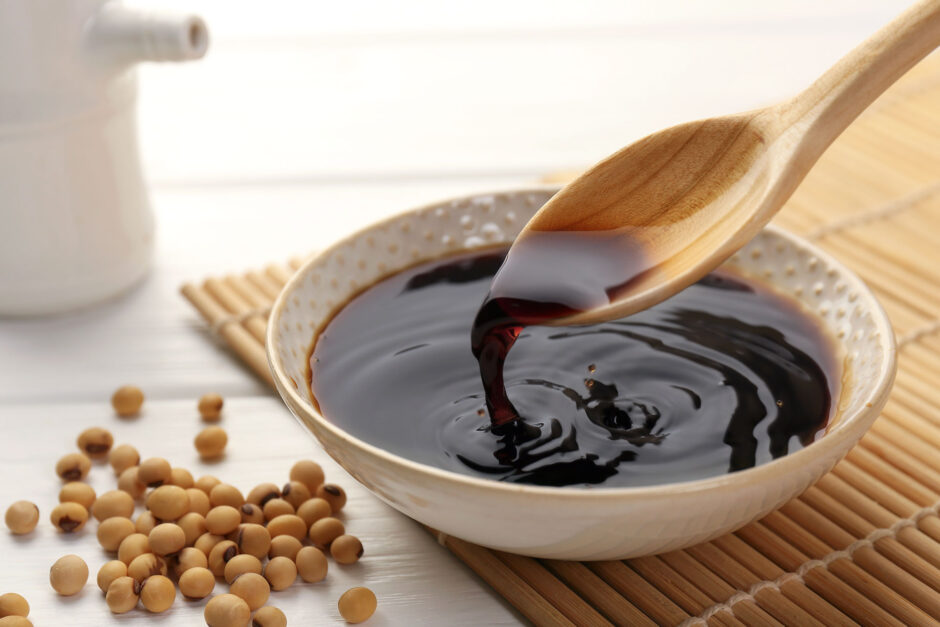
Sauce blends are a core feature of Asian cooking that often helps define the signature tastes of a cuisine. For Chinese cooking, light soy sauce, dark soy sauce and oyster sauce make the most basic yet versatile and flavour-rich combo. Each sauce has its own nuanced taste profile, and blending them in different ratios can impart a range of savoury flavours for your stir-fries, braises and stews.
Let’s take a closer look at this marvellous trio!
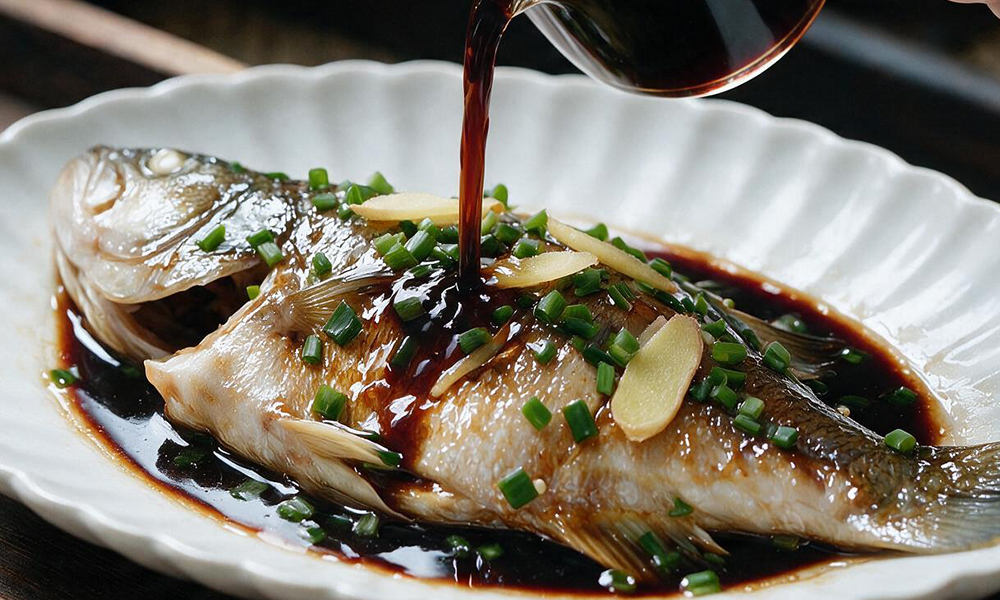
Light soy sauce is the ubiquitous seasoning in Chinese cuisine.
With its bright reddish-brown hue, it is traditionally brewed from selected soybeans and wheat through a fermentation process that develops its distinctive salty, clean, umami-rich flavour. These qualities make light soy sauce an incredibly versatile seasoning, perfect for everything from stir-fries and marinades to dipping sauces, accentuating your ingredients’ flavours without masking their natural character.
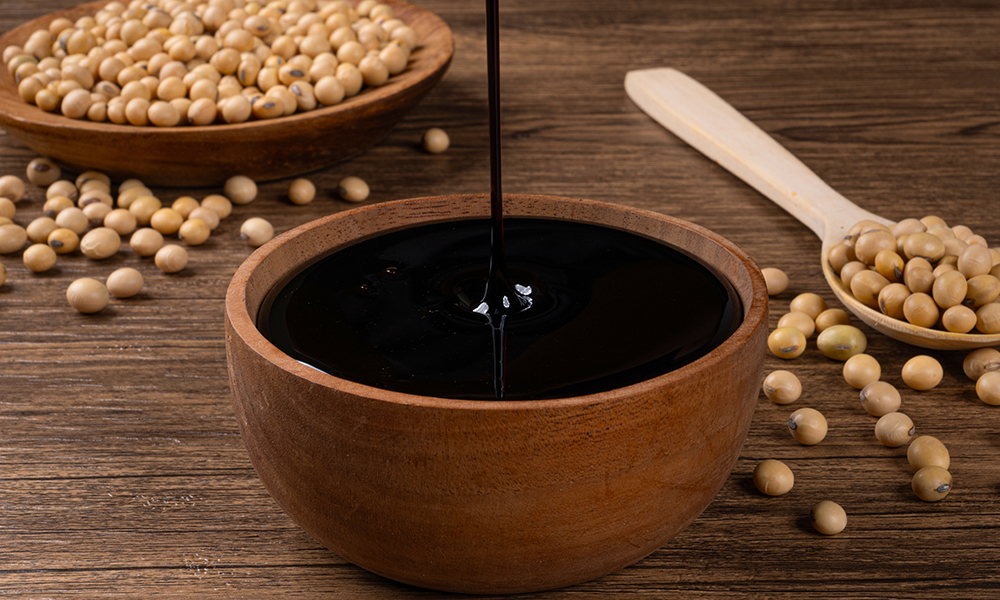
Dark soy sauce is prized in Chinese cooking for giving dishes a deeper colour and richer appearance. Made from the same fermented soybean and wheat base as light soy sauce but aged longer, it develops a thicker consistency, a dark colour and a mellow savoury flavour with a hint of sweetness. While it can be used as a seasoning, dark soy sauce is particularly valued for enriching braises, stews, and slow-cooked dishes, lending them a darker, appetising appearance and a glossy finish while contributing complexity to the overall flavour.
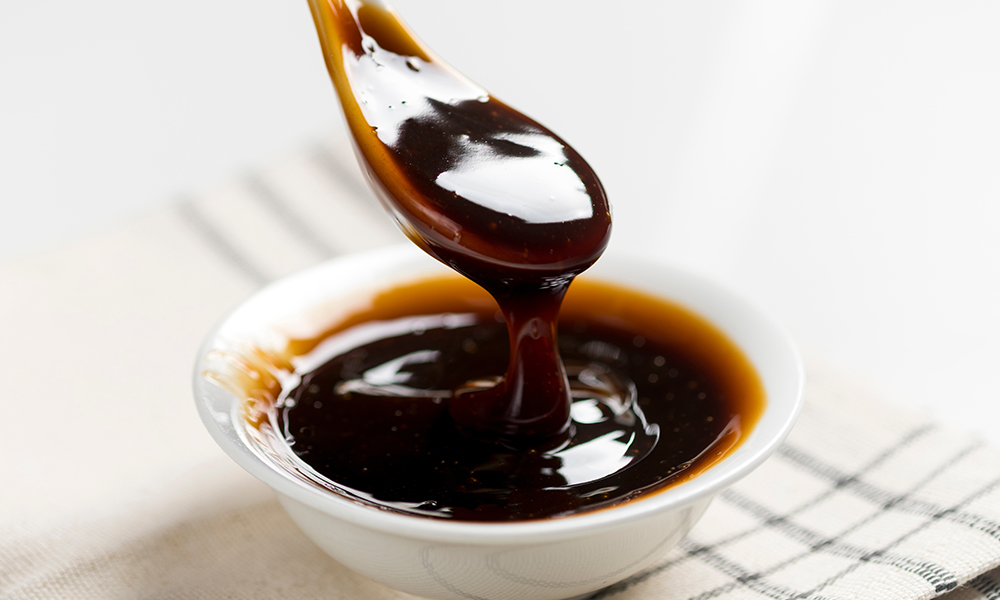
While light and dark soy sauces deepens flavour and colour, oyster sauce brings richness, body, and a distinctive umami character to Chinese cooking. Traditionally made by slowly simmering oysters to concentrate their naturally umami-rich juices, it then develops into a thick, glossy sauce that delivers a deeply savoury flavour with a subtle sweetness. Whether stirred through vegetables or used to glaze meat, oyster sauce contributes a satisfying depth and rounds out other seasonings as you cook.
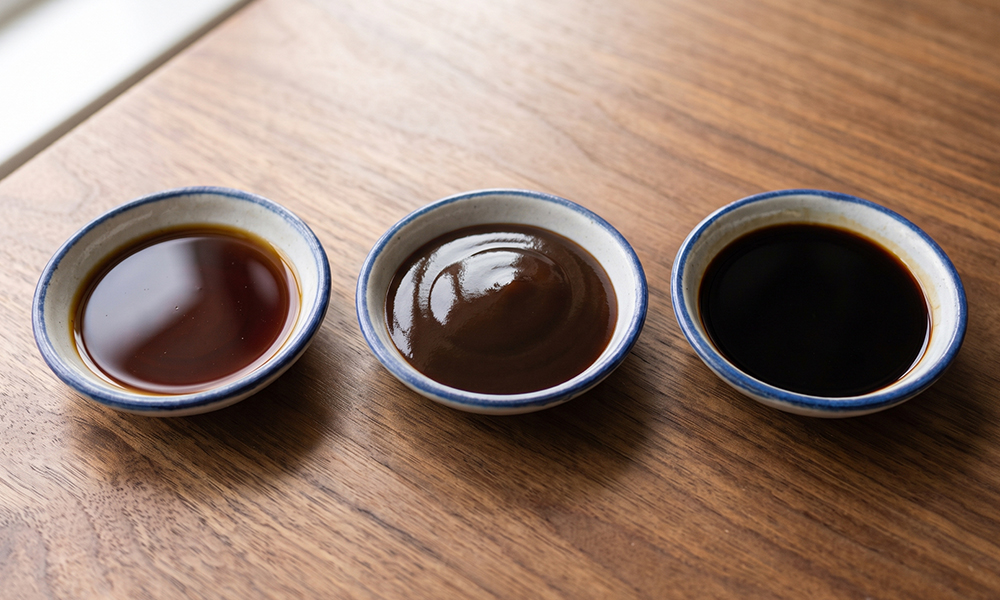
These 3 sauces each play a distinct role in Chinese cooking, and using them well comes down to proportion. Light soy sauce and oyster sauce can form the main seasoning base, while dark soy sauce can be added to fine-tune the dish’s colour and sweetness. There is no fixed formula, simply adjust the ratio to suit the ingredients, other seasonings, and cooking method of your recipe!
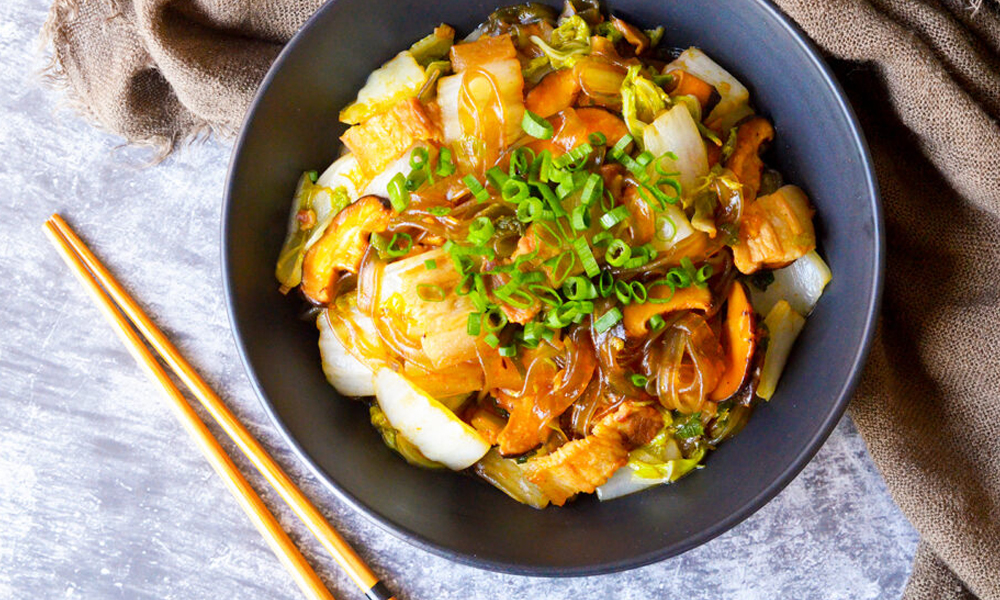
For stir-fries like the scrumptious Chinese Napa Cabbage with Glass Noodles and Yi Mien Long Life Noodles, the three sauces can be combined in different proportions to create the desired depth of flavour, colour, and richness.
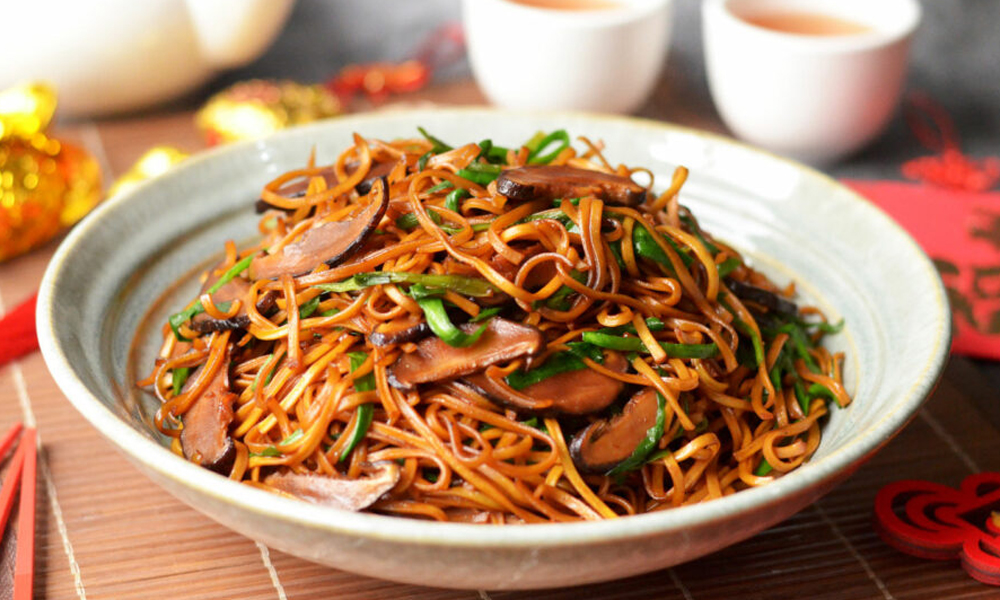
Light soy sauce and oyster sauce typically form the main seasoning base, while dark soy sauce is generally used more sparingly to deepen the colour without making the dish overly dark. Light soy sauce can also be briefly stir-fried with the ingredients to bring out its savoury aroma before the remaining sauce blend is added. As a useful tip, oyster sauce is best added towards the end of cooking, helping preserve its rich umami character and savoury-sweet depth.
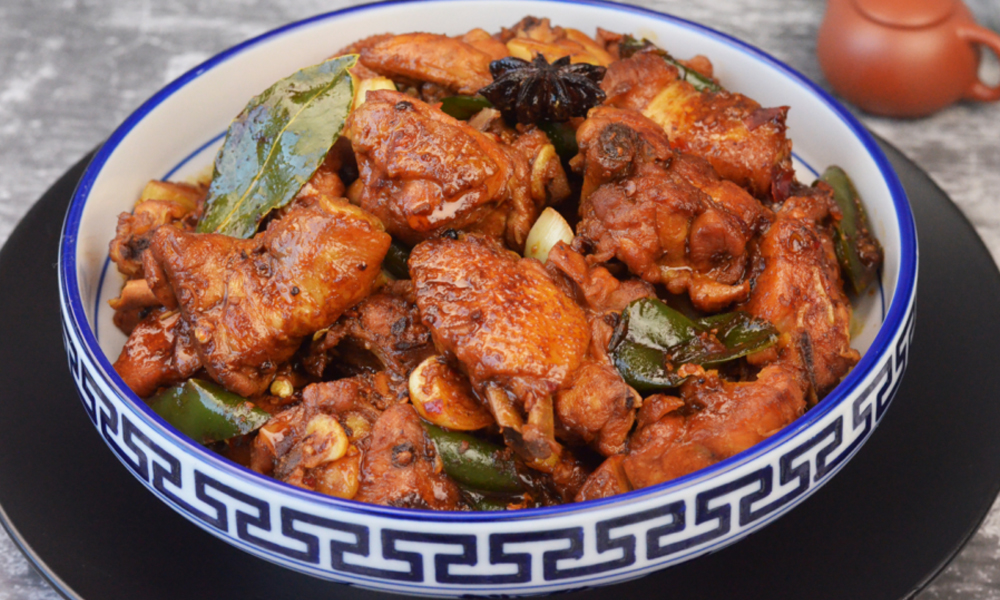
For Chinese braised dishes like the Shandong Chicken and Jinan Pork Belly, the blend of light soy sauce, oyster sauce and dark soy sauce infuses their combined savoury, umami and sweet flavours into the meaty ingredients over the course of the simmering process, which develops the dishes’ flavour depth, juicy textures and rich appetising colour.
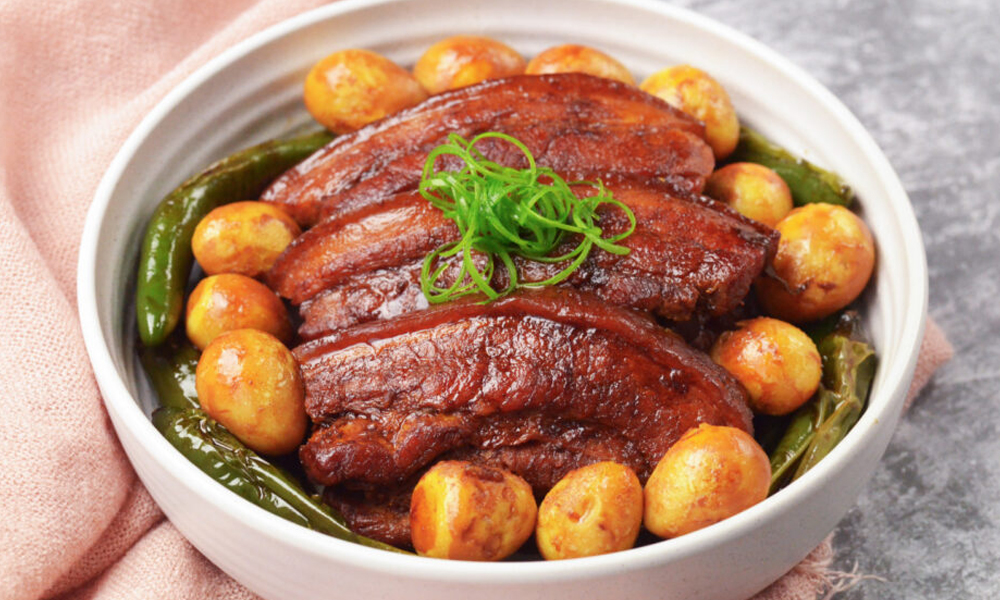
Chinese braised dishes generally begin with sautéing or pan-frying the seasoning herbs and aromatics, followed by the marinated meats and then covered and simmered gently. The sauce blend is applied just before the simmer, and allowed to gradually cook in sustained, concentrated low heat, until the sauce blend melds and coats the meat completely. Braising recipes would often call for slightly more dark soy sauce in their seasoning blends to achieve a rich glossy finish.
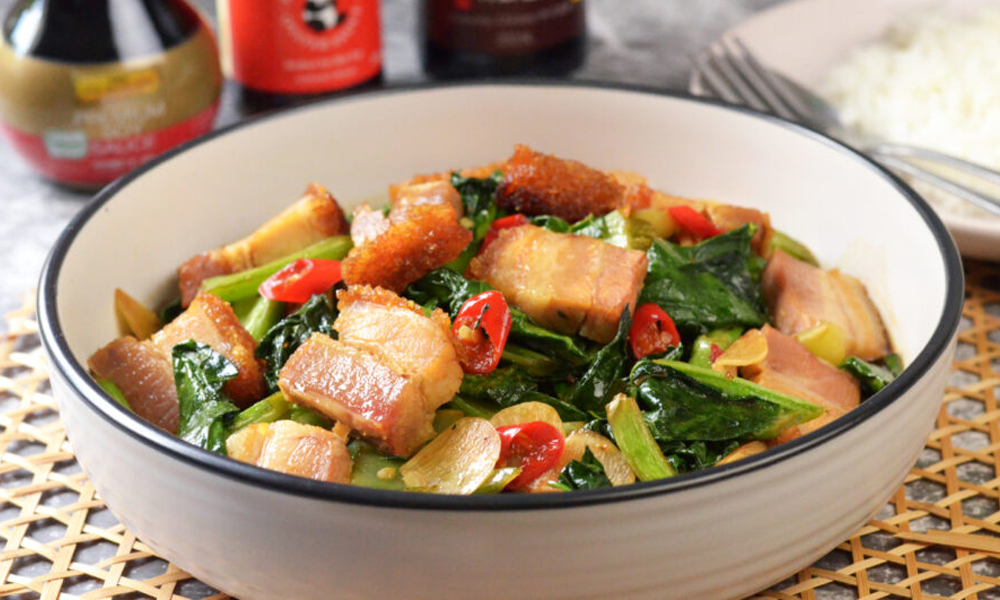
Beyond Chinese cuisine, light soy sauce, dark soy sauce and oyster sauce have also found their place in Southeast Asian cuisines via cultural exchanges and culinary influence throughout history. The trio of sauces are often incorporated into local dishes alongside regional herbs, spices, and other seasonings.
In Thai cuisine, for example, the three sauces feature in stir-fries such as Pad Kana Moo Krob with leafy Kailan and crispy pork belly, and Thai Basil Fried Rice. Paired with aromatic herbs and piquant spices, the sauces build layers of savoury, sweet and zesty flavour, while allowing the distinctive character of each dish to shine through.
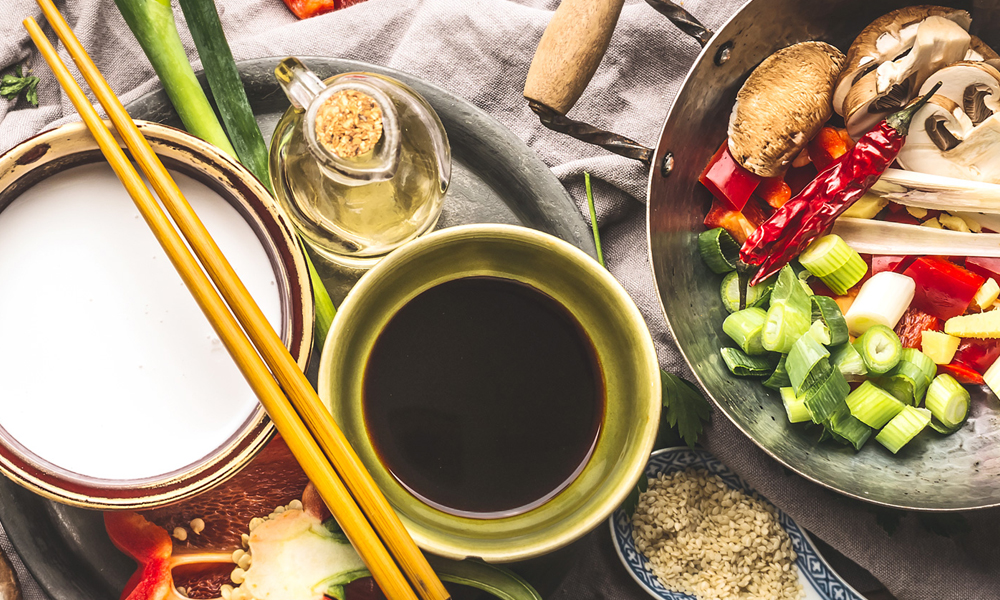
Expand your home-cooked enjoyment with the wide range of Chinese cuisine flavours! Start by stocking up your pantry with the essential Chinese staples. Discover the unique aromas, flavours and uses of Sichuan Peppercorn, Shaoxing Wine and Chinese Five Spice Powder. Master the stir-fry for fast, yummy meals, and check out our massive collection of Chinese cuisine recipes!
Established in 1888, Lee Kum Kee is the inventor of oyster sauce and the trusted provider of authentic Asian sauces and condiments for chefs and home cooks around the world.
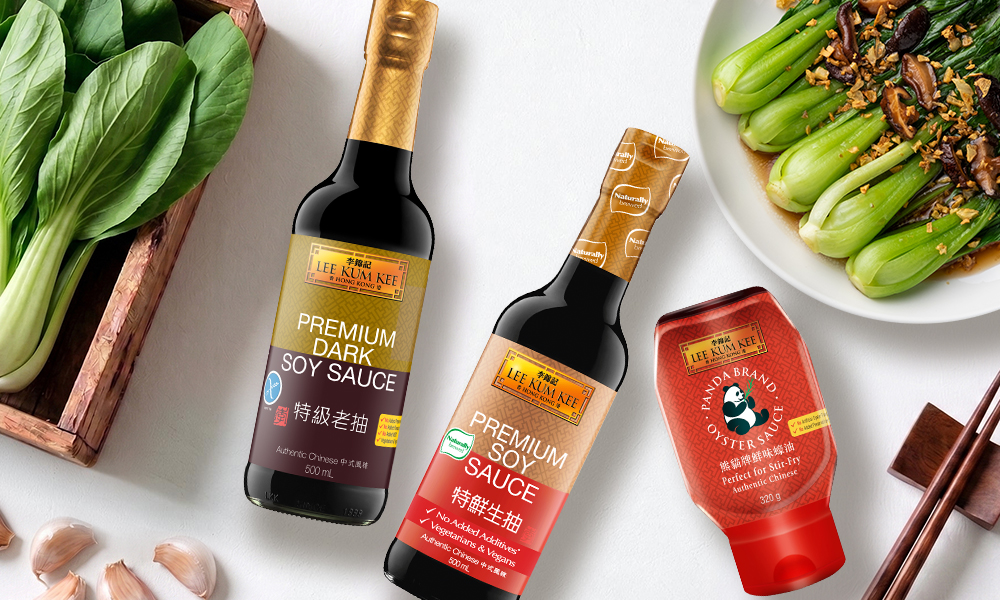
Lee Kum Kee Panda Brand Oyster Sauce now comes in an innovative squeezable bottle for easy use. Made with selected oyster extracts, it delivers a tantalising aroma and velvety umami flavour.
Meanwhile, Lee Kum Kee Premium Soy Sauce and Premium Dark Sauce are crafted with high quality non-GM soybeans and naturally brewed with no preservatives nor added seasonings. Delivering a consistent flavour, rich savoury notes, and authentic Chinese cooking aromas.
Bring home the essential trio of savoury sauces from Lee Kum Kee, available at your local supermarkets and Asian grocers!
Discover how you can use traditional Japanese miso, panko breadcrumbs and matcha to create yummy modern delights!
Make and savour the best homemade deep-fried foods with our handy guide!
Come discover how leaf-wraps give Asian steam-cooked foods an extra tasty touch and other unique benefits!