

The Uniquely Flavourful World of Filipino Vinegars
Explore the fascinating tangy flavours of staple Filipino sour ingredients, and find out why they are essential in Filipino cooking.
Discover the authentic in Asian cuisine food
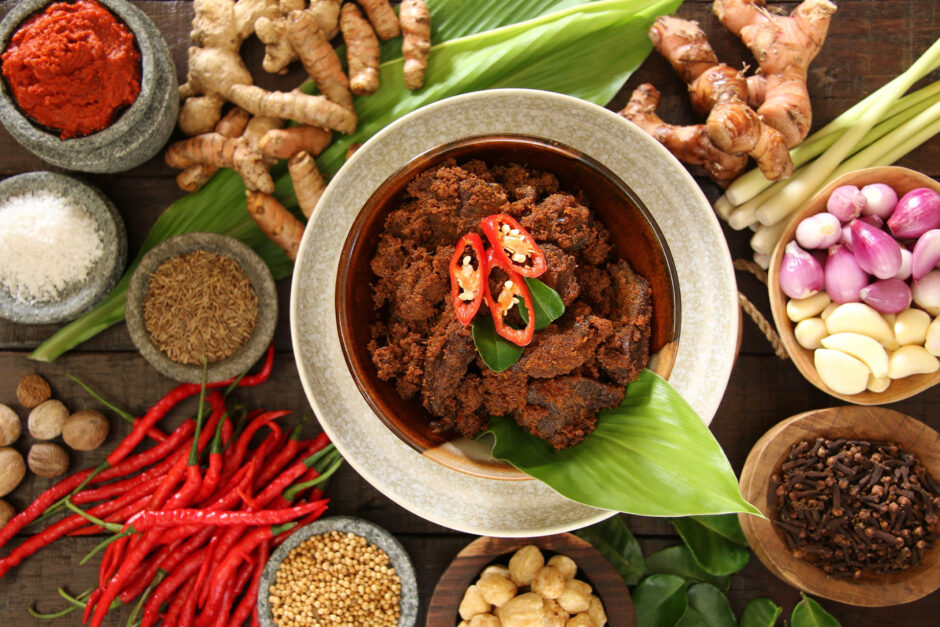
Bold, diverse and complex flavours are at the heart of Indonesian cuisine. While every part of the archipelago nation has its host of mouth-watering local delights, Rendang is perhaps the most widely renowned icon, with a spice-infused richness, deep umami flavour, and heart-melting tenderness that will have you wanting more with every taste of it. And, beyond a gastronomic treasure, Rendang also carries a culinary tradition that speaks to the ingenuity, adaptability and love for soulful flavours among Indonesians; and more specifically, the Minangkabau community.
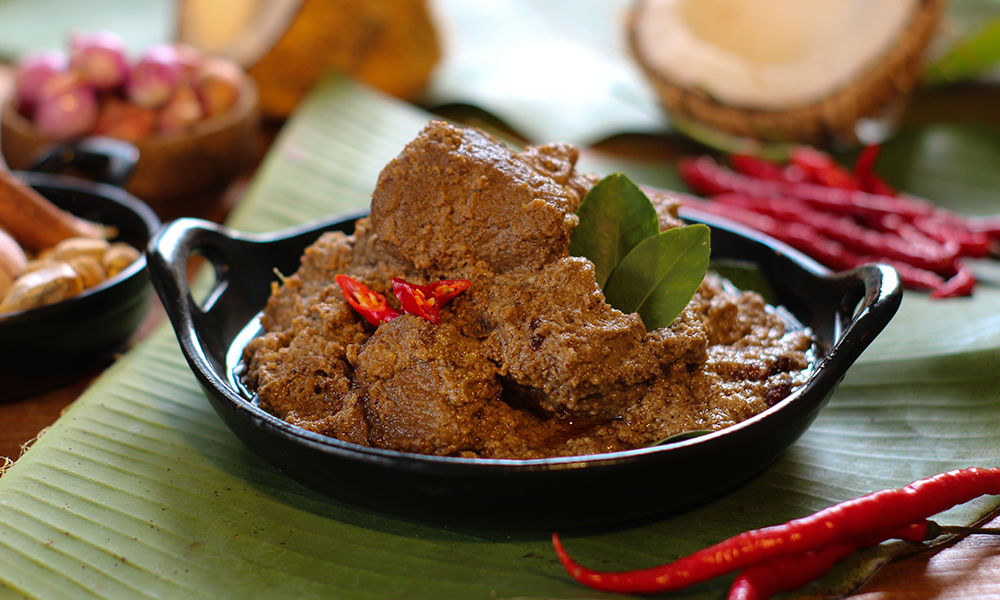
Rendang is a unique dry beef curry that originated from the Minangkabau people of West Sumatra, whose cuisine is widely known as Padang cuisine. West Sumatra has had a thriving agriculture of herbs and spices since ancient times. In the olden days, the Minangkabau travelled all over the Indonesian islands, as well as the wider Southeast Asian archipelago to trade these prized aromatics. Rendang’s long, slow cooking process allows the meat to become tender. Traditionally cooked until relatively dry, rendang also has excellent keeping qualities, making it a practical food to take on long journeys. Its durability helped make it a valued part of Minangkabau travelling and trading traditions.
It is also through these travels and interactions, Padang cuisine and Rendang was introduced to the region. Hence, the Minangkabau culinary influence can be found in modern-day Malaysia, Singapore, and other parts of Southeast Asia; where Rendang is highly cherished, enjoyed as a shared indulgence and a celebrated crowd-pleaser during festivals and special occasions.
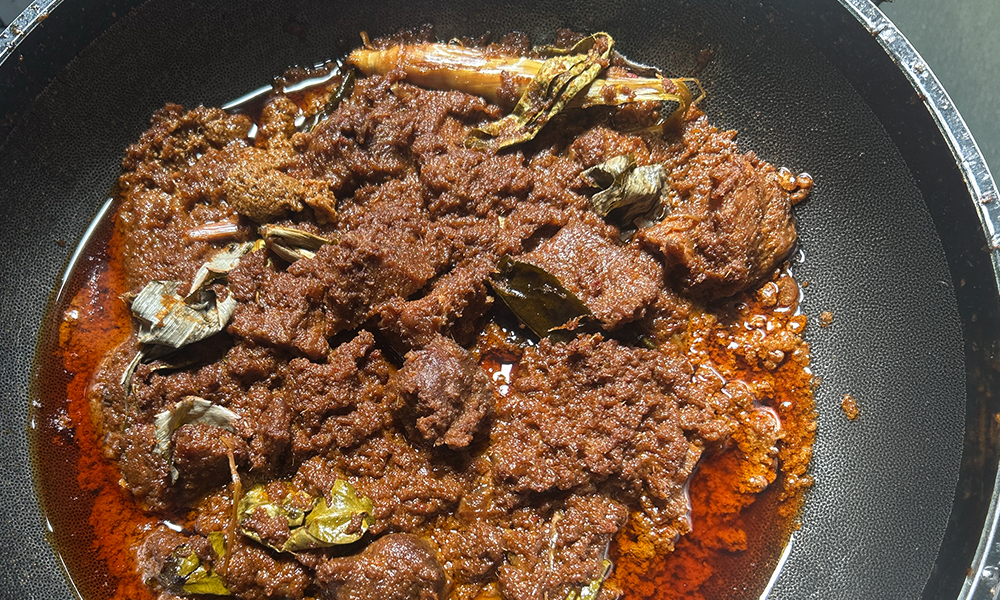
Cooking Rendang is a traditional bonding activity, as neighbours and family chefs gather around and chitchat while preparing the ingredients, and during the careful, patient simmer that gives Rendang its distinguishing taste. In fact, the dish’s name refers to the slow-cooking process over hours that gradually breaks down the meat and infuses all the rich aromatics to develop its mesmerising flavour depth.
Beef is best to make Rendang, though the technique can also be used to elevate other types of meats or protein, such as mutton, chicken, seafood, tofu, tempeh and even kangaroo!
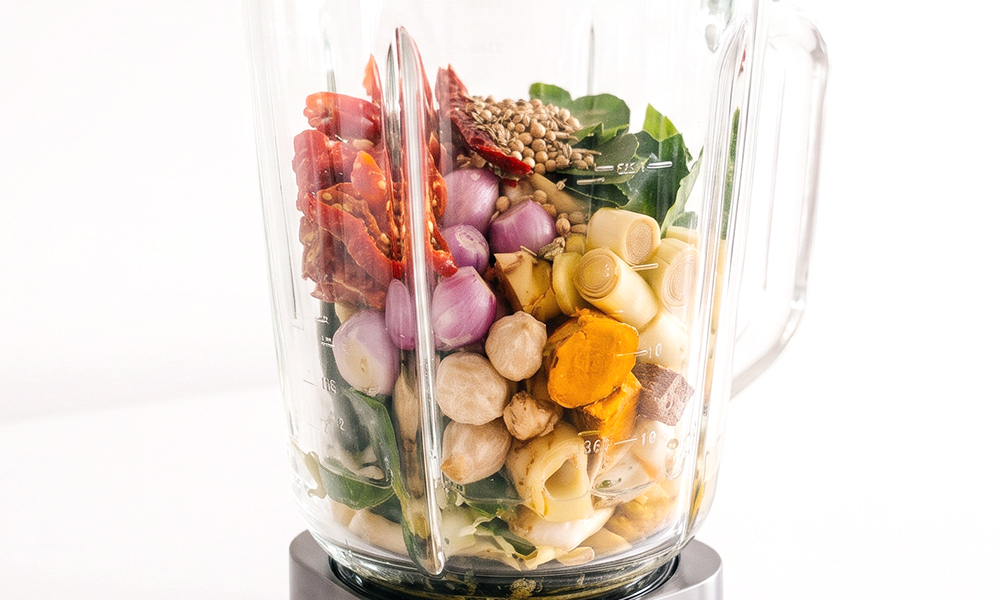
The process of cooking Rendang begins with the finely blended spice paste. Ingredients can include turmeric, candlenut, cinnamon, garlic, ginger, galangal, shallot, and dried chilli. The paste is gently fried with cooking oil to activate the combined earthy, zesty, and savoury aromas, adding bruised lemongrass stalks, cardamon, bay leaves, and star anise to the heated mix to enrich the overall fragrance.
Next, the beef chunks go into the pot and stirred to coat them with the spice paste, followed by a generous pour of coconut milk, thoroughly mixed with the spice paste into a creamy slurry. Then seasoned with a dash of salt and tamarind paste.
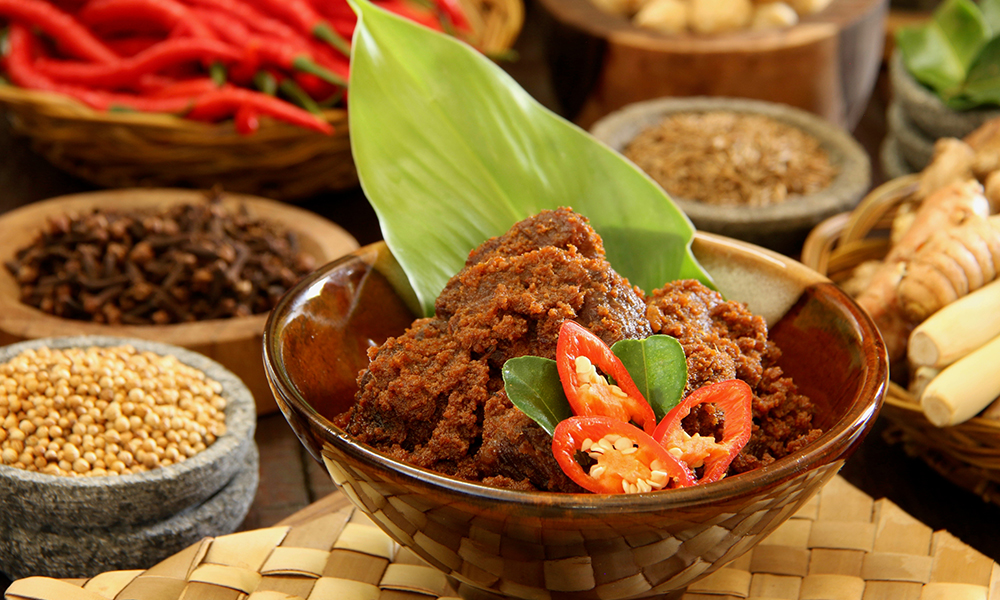
Finally, comes the long, slow simmer with more intermittent stirring to ensure the tenderised beef completely absorbs the spice paste flavour; resulting in the Rendang’s irresistible complex aroma and rich depth.
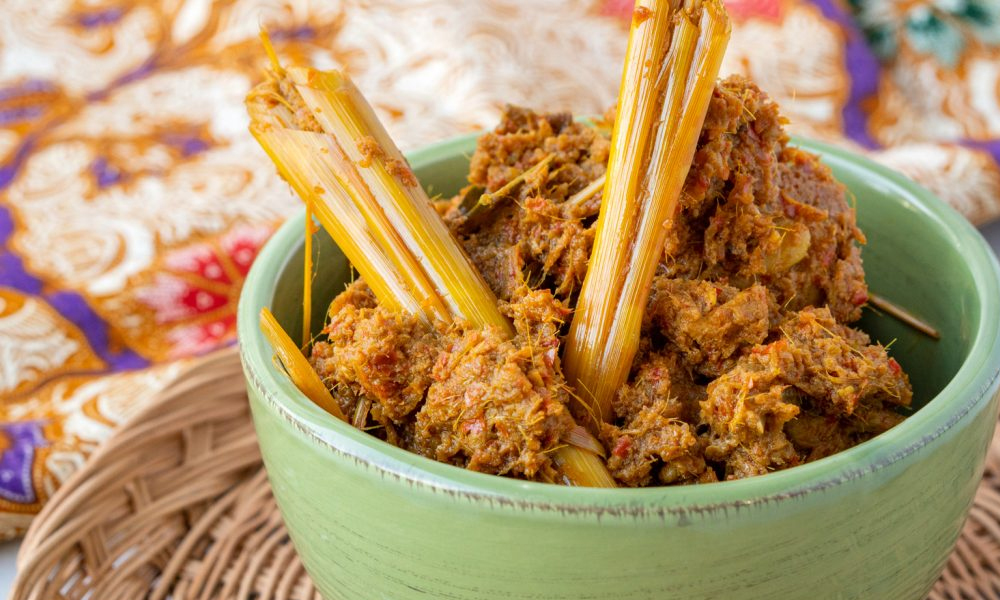
Malaysian Rendang, on the other hand, typically has a savoury-sweet and zesty complexity, using palm sugar and kaffir lime leaves in its seasoning blend, as well as Kerisik to complete its signature flavour. Kerisik is grated coconut, dry toasted till golden brown and pounded into a paste, added at the end of Rendang’s simmering process to give the caramelised beef a bold nutty aroma and thick, gravy-like finish.
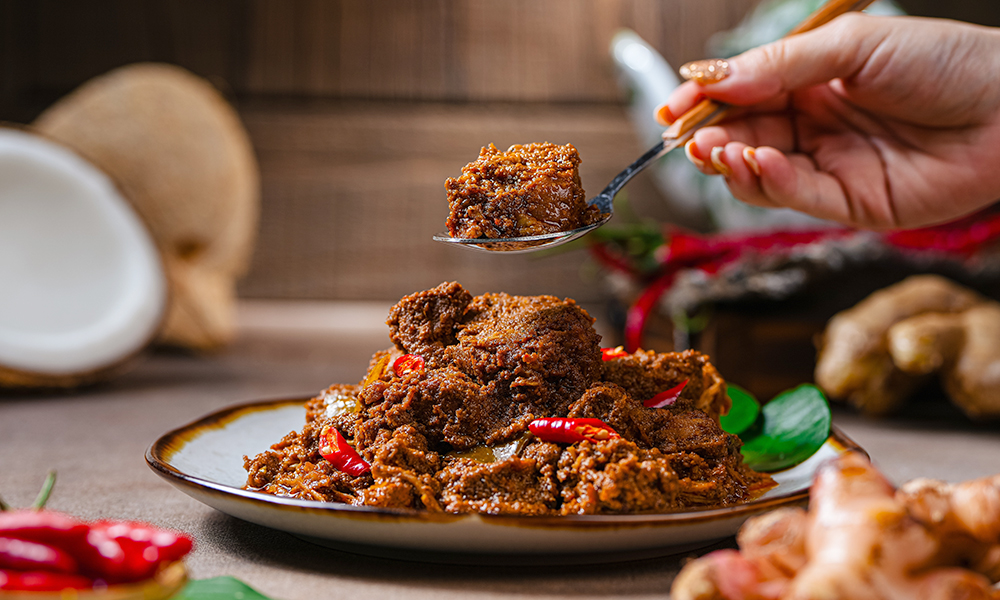
Both versions are absolutely gorgeous and delish. So, if you love the hearty taste of beef, Rendang is perhaps the ultimate Southeast Asian indulgence you should try.
Check out our recipes for beef, chicken, kangaroo and tofu Rendang!
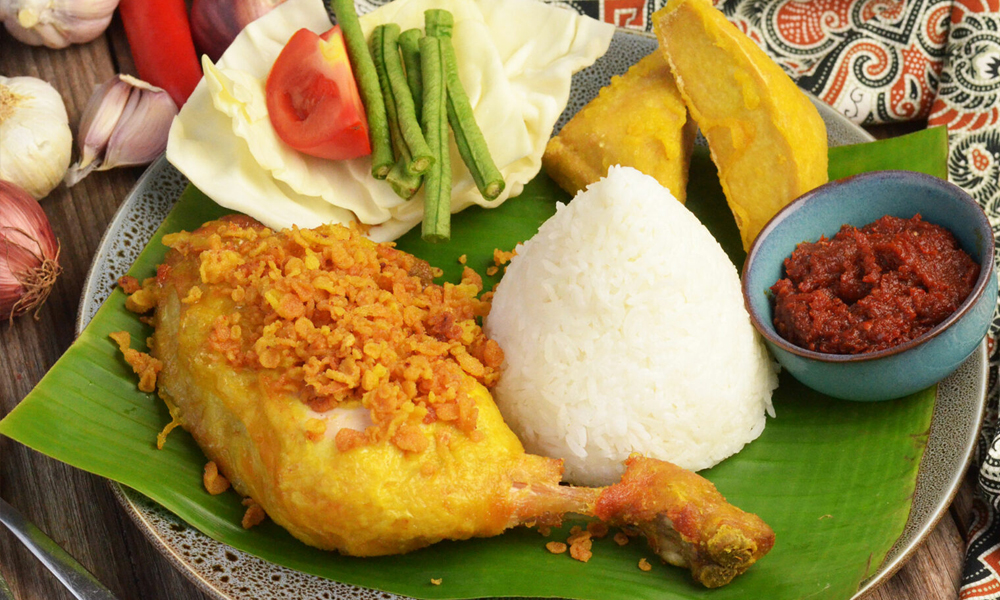
From flavourful shared meal dishes and scrumptious barbecued specials, to dazzling pastries, snacks, desserts and so much more, Indonesian cuisine offers a spectacular array of spellbinding dishes. Even the humble fried rice and fried chicken get a special Indonesian ‘upgrade’ like no other! Also, come discover the exciting Sambal chilli paste and other essential ingredients to Indonesian cooking. And, be sure to check out our collection of Indonesian recipes!
Explore the fascinating tangy flavours of staple Filipino sour ingredients, and find out why they are essential in Filipino cooking.
Bring the tasty tropical flavours of Southeast Asian barbecue specials to your summer grill!
Make the best of your wok! Learn how to season and care for it regularly with our guide.