
The Wholesome & Tasteful Comfort of Cantonese Soups
Discover the rich and delectable love of comforting, savoury soups in Cantonese cuisine.
Discover the authentic in Asian cuisine food
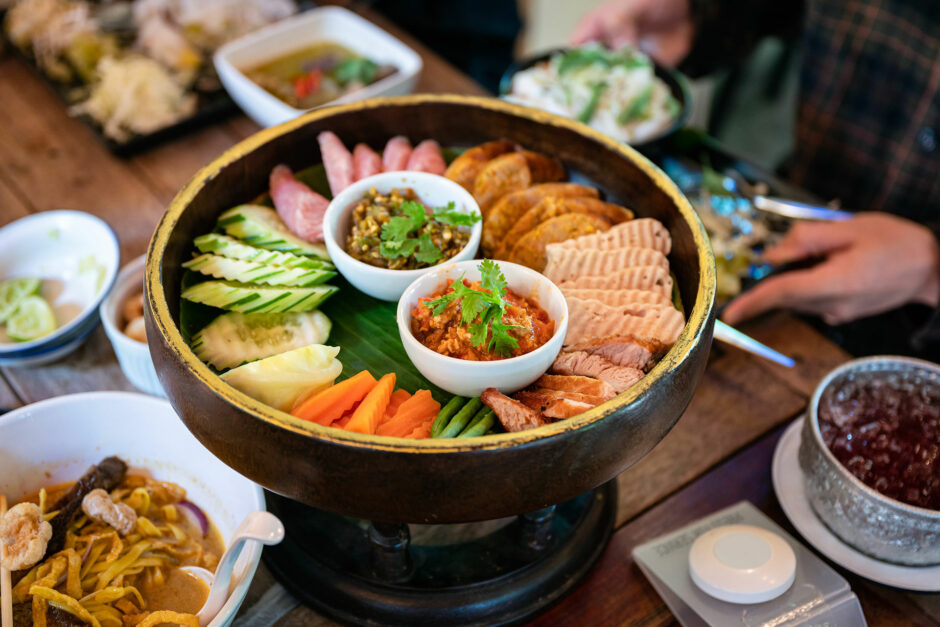
Sharing good food with family and friends is at the heart of Thai food culture. For the Lanna people of Northern Thailand, this is exemplified in the Khantok. A circular tray with a pedestal base to enjoy a dazzling feast of flavours in small dishes. Khantok is more than the serving tray’s name. It’s the soul of Northern Thai food culture as well.
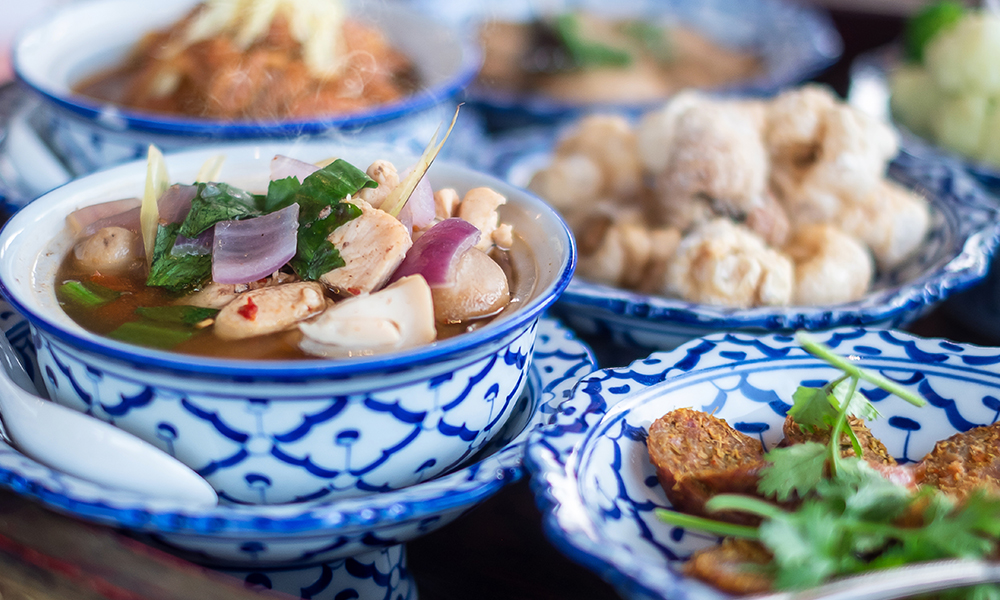
In Northern Thai tradition, food is served while seated on the floor or woven mats, with the diners around the Khantok tray. Hence, the circular shape with its base to elevate the dishes for easy sharing. To maximize variety, the dishes are typically served in small bowls and plates, each with a unique flavour accompanied by garnishes and zesty dipping sauces. It’s also finger-licking tasty as you eat with your hands, ‘sculpting’ the glutinous rice into delicate balls to mix and dip with the dishes.
The Khantok is made in various materials for all walks of life. Wicker and rattan-woven Khantok-s are the most common in Northern Thai households and temples. Richer families and bespoke restaurants may have more intricate designs with their wooden Khantoks, while the royals enjoy their delicacies in luxuriant gold-gilded Khantok-s with finely crafted ornaments.
Besides sharing everyday meals, it is also customary to welcome guests with a sumptuous Khantok meal, which has become a novelty dining experience for tourists to Northern Thailand, often accompanied by a traditional dance performance.
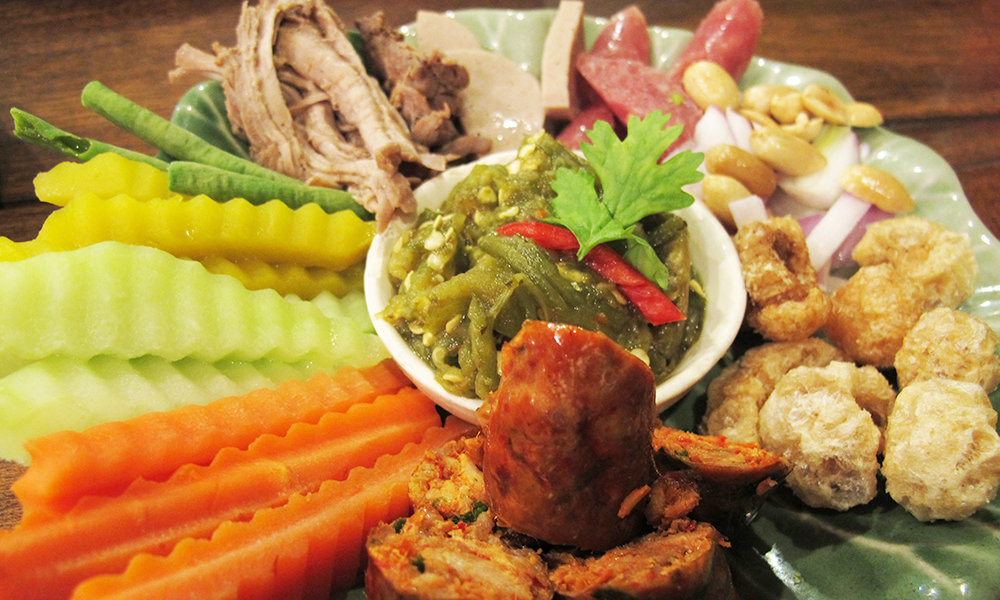
Sweet, sour, savoury and spicy flavours. Tender, meaty and crispy textures. All are featured in a Khantok meal, meant to balance and complement each other as you mix and match. The combination of dishes can vary from meal to meal as well, and every chef would have their own unique touches to their Khantok servings. That said, here are some common Khantok dishes you can savour.
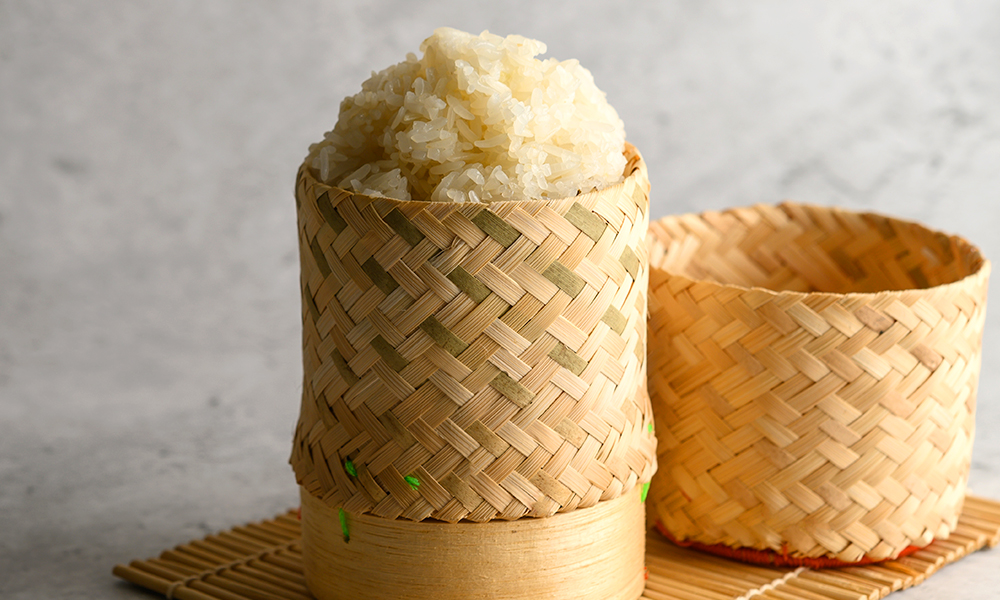
Glutinous rice is the staple carbohydrate food of Northern Thailand, with a soft, chewy texture that can easily absorb the Khantok flavours. As mentioned above, the rice is shaped into handheld balls for easy eating in a traditional meal.
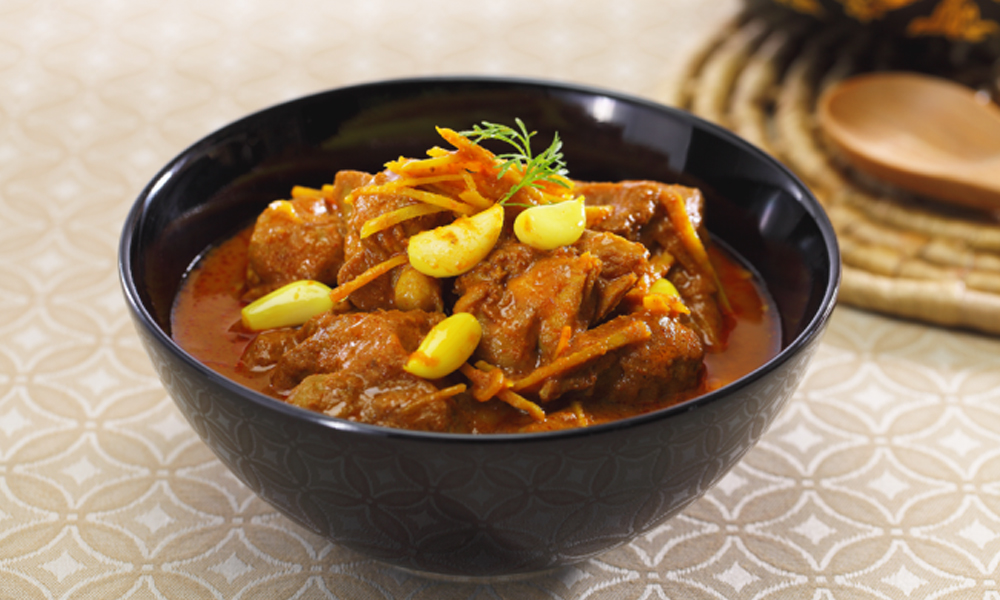
Northern Thai curries are generally mellower than their fiery Southern counterparts, often featuring sweet-savoury flavours with tangy notes and bold herbaceous aromas instead. Meats and poultry are also favoured in Northern Thai curries. Popular Khantok curries include the Burmese-inspired Gaeng Hang Lay thick pork curry, the soupy Gaeng Om pork and veggies curry enriched with lemongrass, and the Lao-inspired Gaeng No Mai bamboo curry with pork and lots of herbs and greens.
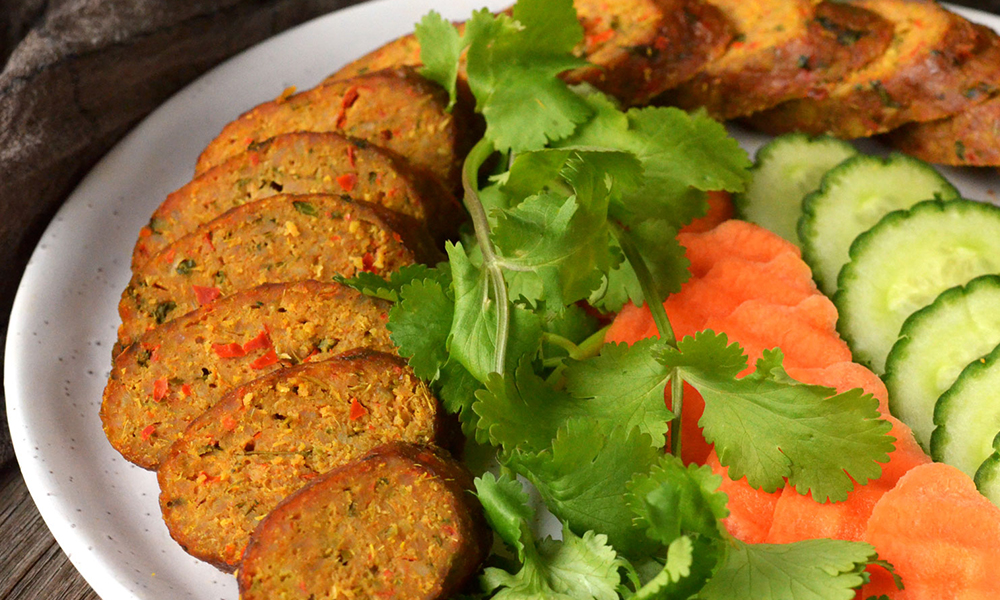
Besides the curries, Khantok meals also typically serve meat in various dishes. Deep-fried foods like fried chicken and pork crackling, grilled skewered meats, the iconic herbs-infused Sai Oua sausage, and the spicy, savoury, tangy Larb minced meat salad are some common Khantok delights.
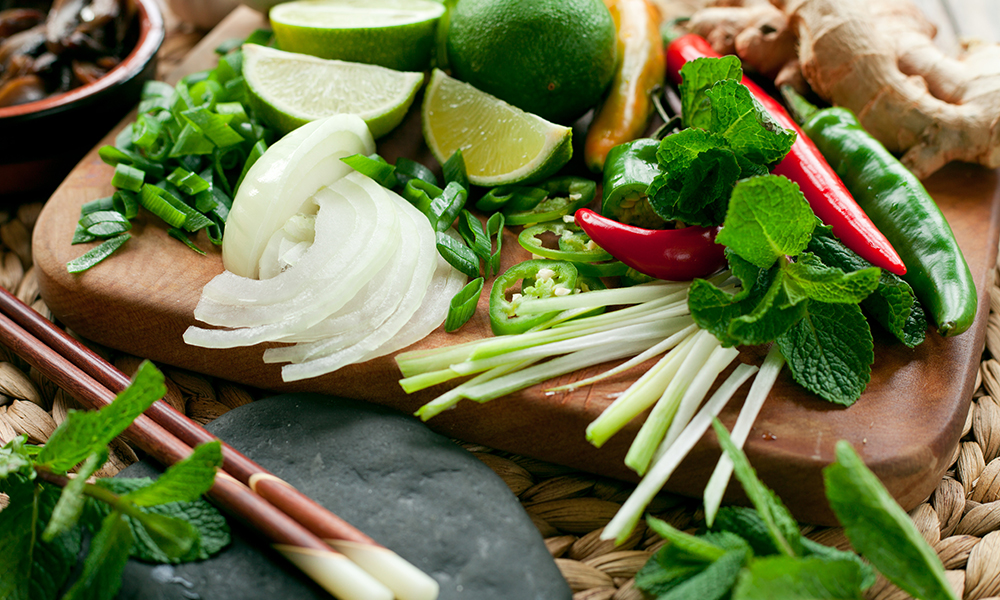
The cool mountainous jungles and lush highlands of Northern Thailand provide an abundance of local herbs and vegetables, and both are must-haves in Khantok meals. Veggies are often blanched or boiled to serve fresh as palate cleansers with dipping sauces, while aromatic herbs flavour the dishes or serve as garnishes. Signature Northern Thai herbs and greens include cabbage, cucumber, eggplants, mint leaf, peppery betel leaf for wraps, lemongrass and kaffir lime leaves for their refreshing citrusy fragrance, earthy turmeric, sour tamarind, and spicy bird’s eye chillies.
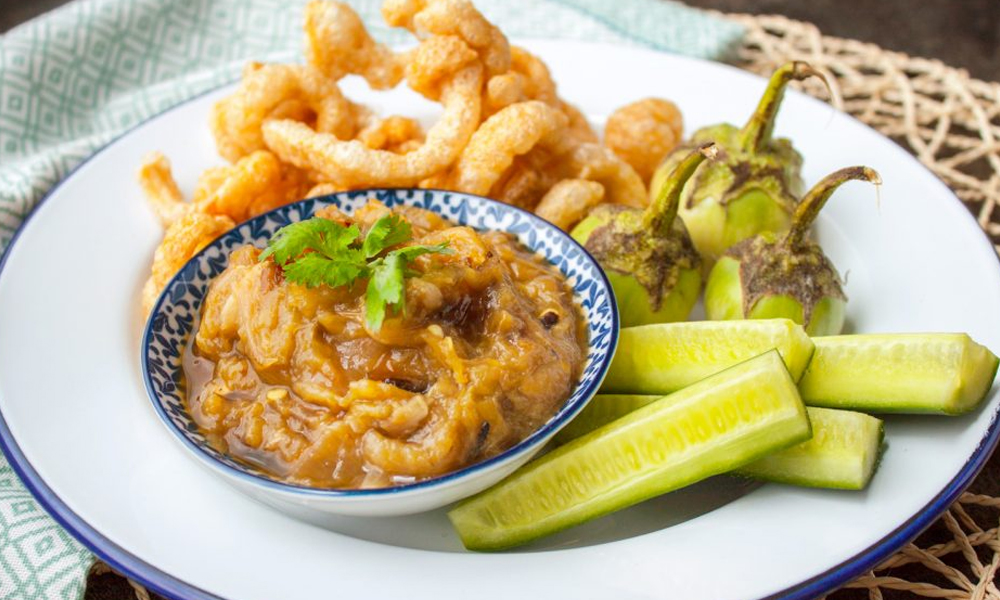
Dipping sauces are the signature flavour-boosters of Khantok meals. The Nam Prik Num is a blend of spicy green chilli, fragrant shallot and garlic, tart lime juice and savoury fish sauce; made to give deep-fried meats like the Khantok pork crackling a bold zesty oomph. To yummify veggies is the spicy, tangy Nam Prik Ong. A blend of dried chillies, cherry tomatoes, lemongrass, garlic, shallot and salted soy bean.
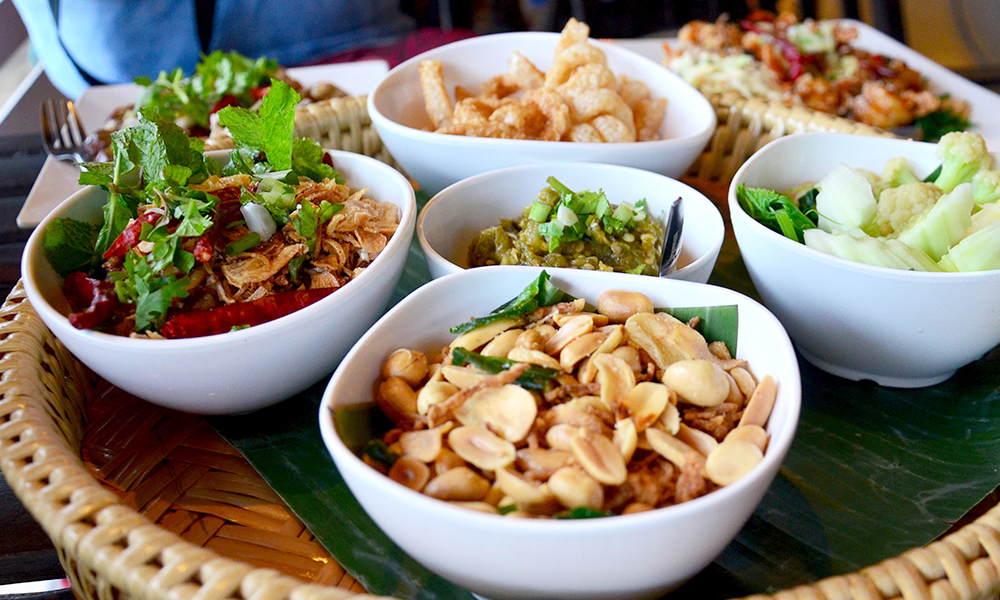
With the variety of spellbinding flavours, there’s always something for everyone to enjoy in a Khantok meal. So be sure to experience it with your travelling foodie buddies and loved ones on your next trip to Northern Thailand!

There’s also plenty to see and explore in Northern Thailand, from beautiful temples and historic sites to bustling markets and scenic landscapes, as well as a vibrant local coffee culture. Be sure to have your fill of the iconic delicacies, too.
Want to cook Northern Thai dishes at home? Come check out our handy ingredients guide!
Discover the rich and delectable love of comforting, savoury soups in Cantonese cuisine.
Burmese or Myanmar cuisine is among the most interesting, soulful and uniquely tasty Southeast Asian cuisines. Come learn more about it!
New to Cambodian cuisine? Let’s explore the bold, rich and complex flavours that make Cambodian cuisine uniquely yummy!