
-300x200.jpg "Traditional Japanese Ingredients in Tasty Modern Wonders")
Traditional Japanese Ingredients in Tasty Modern Wonders
Discover how you can use traditional Japanese miso, panko breadcrumbs and matcha to create yummy modern delights!
Discover the authentic in Asian cuisine food
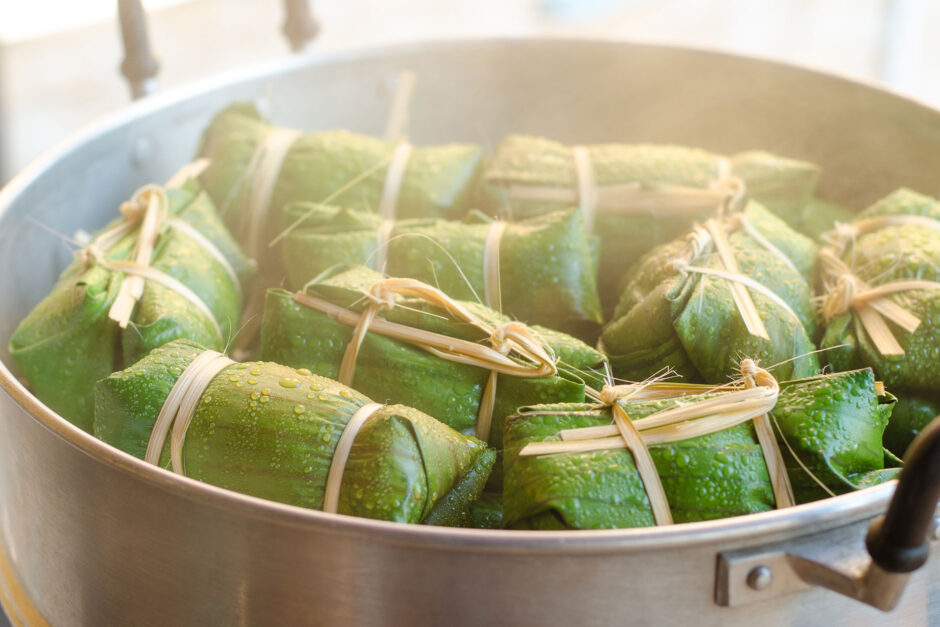
Wrapping food in leaves for cooking and serving is among the oldest culinary traditions around the world. While leaf wrapping may seem quaint compared to modern inventions like foil wraps and baking paper, it remains a practical and sustainable way to prepare food, with an important role in many Asian steam-cooking traditions.
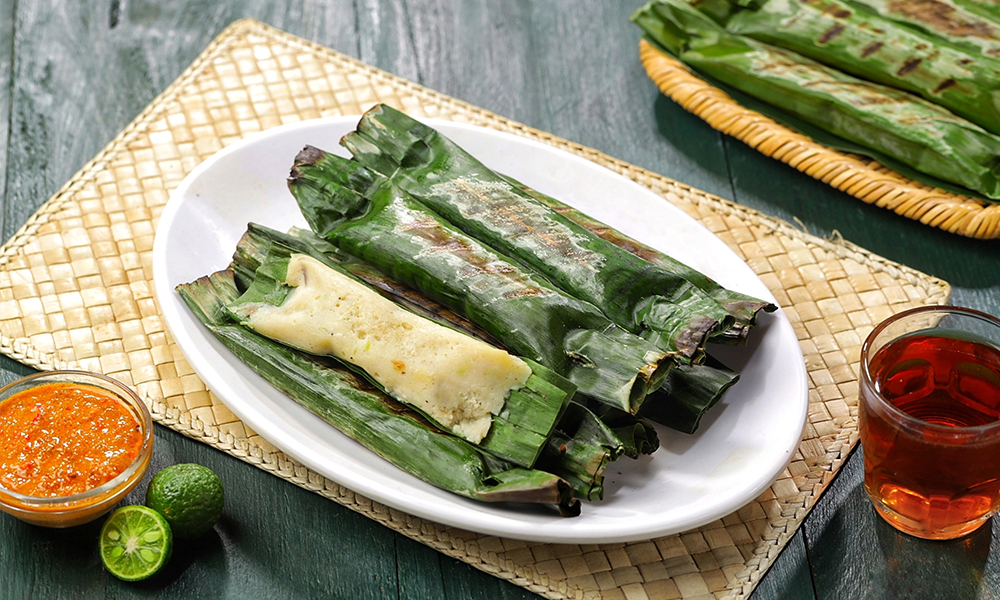
Leaf wraps are all-natural, biodegradable, and are often abundant in the local ecosystem, or are a part of the local agriculture. The plants themselves often have a myriad of other uses besides leaf wraps, and the leaves can be prepared with minimal processing. Simply cleaned, trimmed, folded or torn to size, without the need for manufactured wrapping materials.
In many Asian cultures, preparing leaf-wrapped foods is also a communal activity, fostering bonds between families and neighbours since ancient times. Thus, over centuries, it has become culturally significant, from the selection of leaves to the delicate cleaning, cutting and folding methods, as well as the food they’re cooked with. For many Asians, leaf-wrapped delicacies are a taste of home, a symbol of cultural identity, joyful festive foods, and everyday comfort treats that nourishes the soul and body.
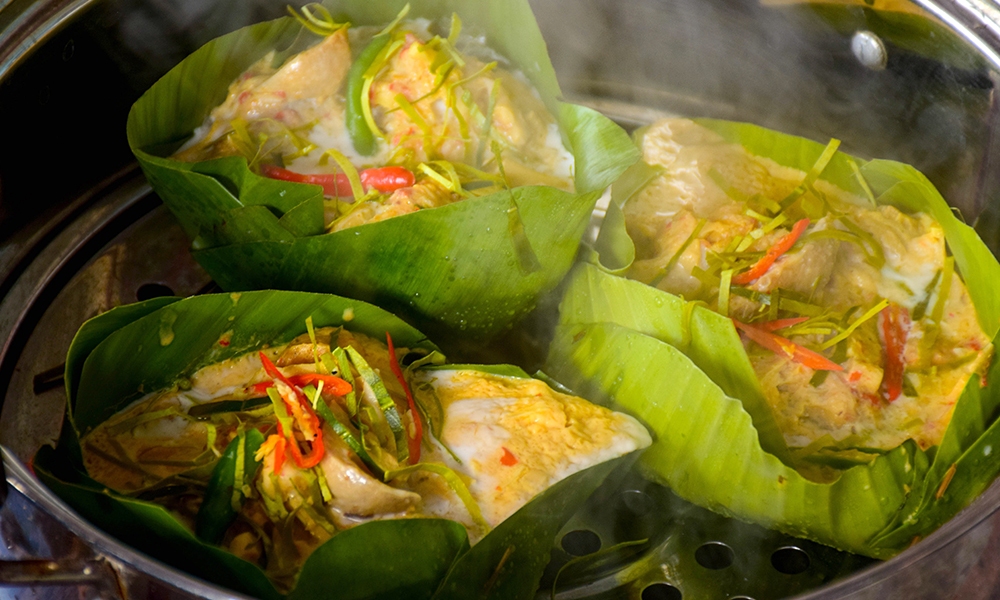
Leaf wraps are naturally flexible and can withstand the heat and moisture of cooking. For steam-cooking, they serve as a natural insulator that gently channels the concentrated heat into the food within. This ensures the wrapped food is evenly well-cooked and retains their natural juices and moisture. The gentle sustained heat releases the ingredients’ flavours and aroma, melding and blending them to develop the tasty layers and depth of a dish. The leaf wraps themselves also imbue their unique aromas into the dish to complete its overall flavour.
Some leaf wraps can also retain their firm texture after steaming, thus serving as a convenient way to pack food for storage, out-of-home quick meals, and to package certain types of Asian street foods. Opening a freshly steamed leaf-wrapped goodie releases the tantalising aromas, and the food’s moist sheen and colours instantly whet your appetite, before the rich flavours in every bite pamper your tastebuds.
Asian steamed leaf-wrapped dishes can make delicious and satisfying meals. Here are 4 flavourful traditional specials to add to your home-cook menu!
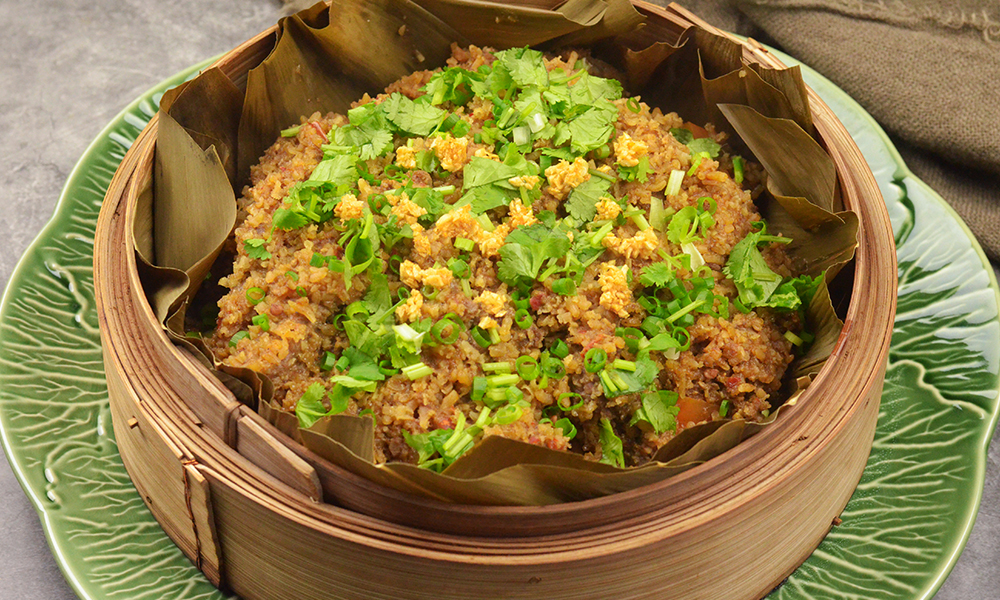
Toasted rice powder adds a scrumptious flaky texture to the rich marinade that coats the tender, juicy beef in this Sichuan special. Seasoned with a combo of warm, zesty spices, and savoury sauces; then laid on bamboo leaves to cook in a traditional bamboo steamer for a bold numbing-spicy warmth and hearty, umami taste. The steamed bamboo leaf also adds a refreshing vegetal fragrance to the spicy, savoury aroma. Try it with our recipe!
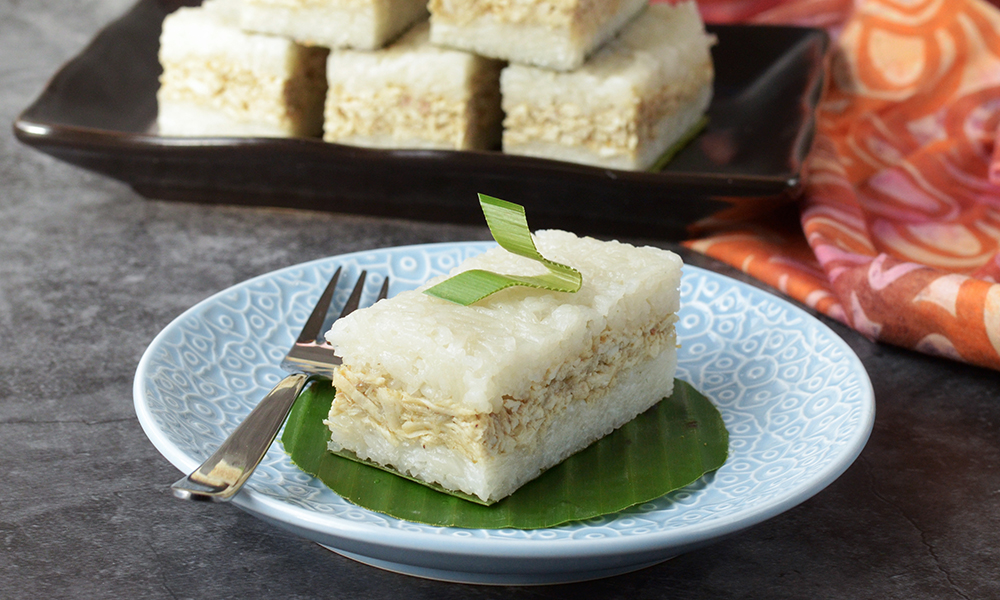
Banana leaves are among the most widely used leaf wraps in Southeast Asian cooking, adding a subtle floral aroma to steamed dishes. The Indonesian Lemper Ayam is a beloved banana leaf-wrapped classic. A savoury snack or appetiser dish of sticky rice cake with a piquant and savoury chicken floss centre. Enriched with tropical aromatic herbs and spices, and given a velvety touch with coconut milk. Soft, chewy, and yummy till the last bite.
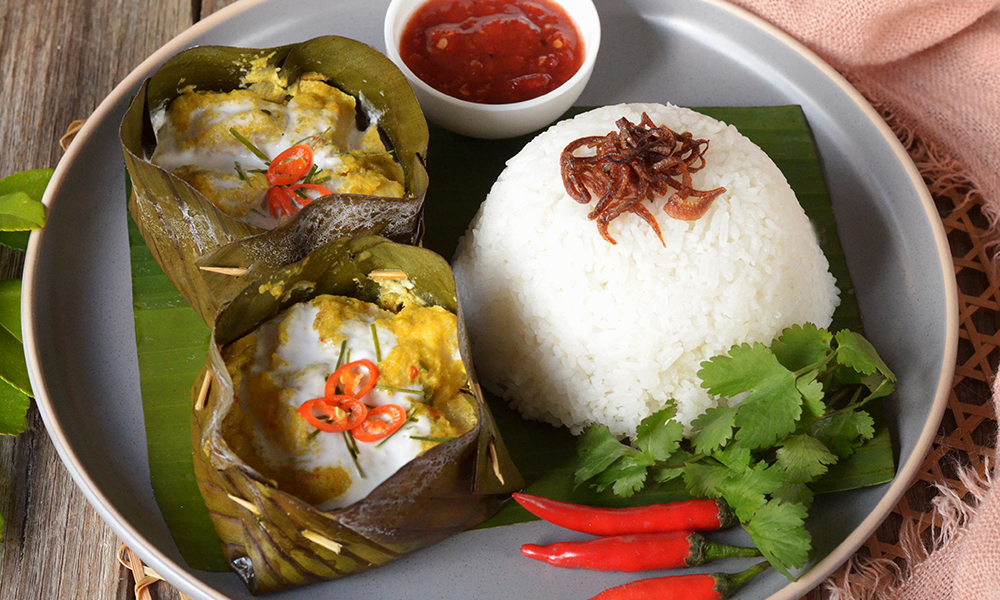
Creamy, spicy, and savoury with a funky note, the Amok Trey fish curry is one of Cambodia’s best-known traditional dishes. Uniquely made with Kroeung, a traditional Cambodian spice paste that gives an earthy, zesty and tangy blend of flavours to the tenderised steamed fish fillets. Steamed cooked in banana leaf-wrap that smoothens the bold mix of aromas. The gentle steaming helps retain the fish’s moisture while allowing the flavours of the curry paste to infuse the dish. The perfect Cambodian dish that embodies the complexity of its cuisine. Absolutely fantastic to savour with rice.
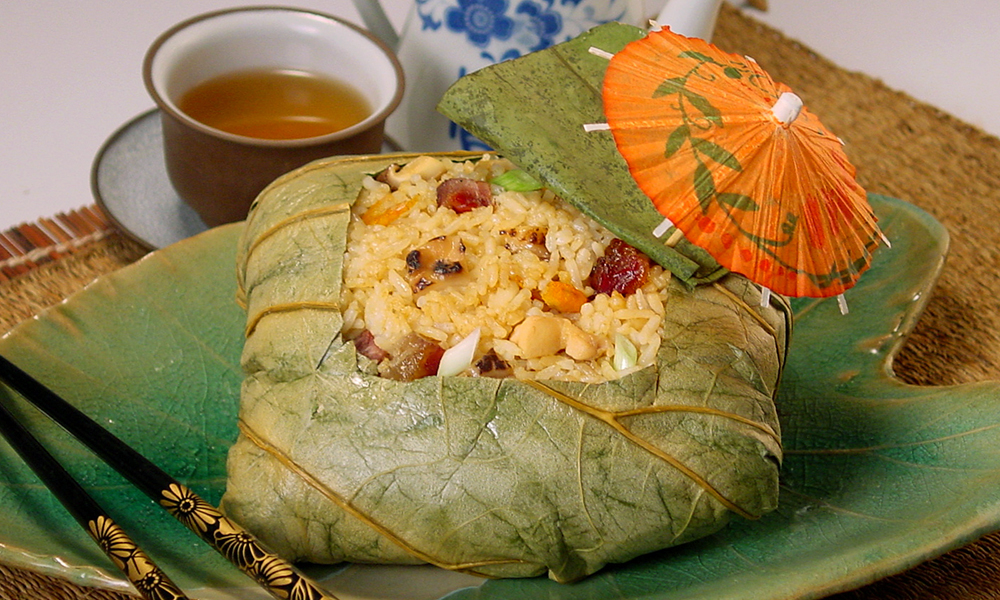
The lotus leaf wrap brings a mild woody, tea-like aroma to this traditional Chinese steamed rice delicacy. Packed with savoury dried shrimps, diced roast pork, shiitake mushrooms and refreshing spring onions. Marinated with a mix of savoury chicken powder, nutty sesame oil, sugar, salt and cooking wine. Wrapped in lotus leaf and steamed, it melds the flavours into the rice and gives it a moist, savoury taste that comforts and satisfies. Best enjoyed hot with tea. Cook it up with our recipe!
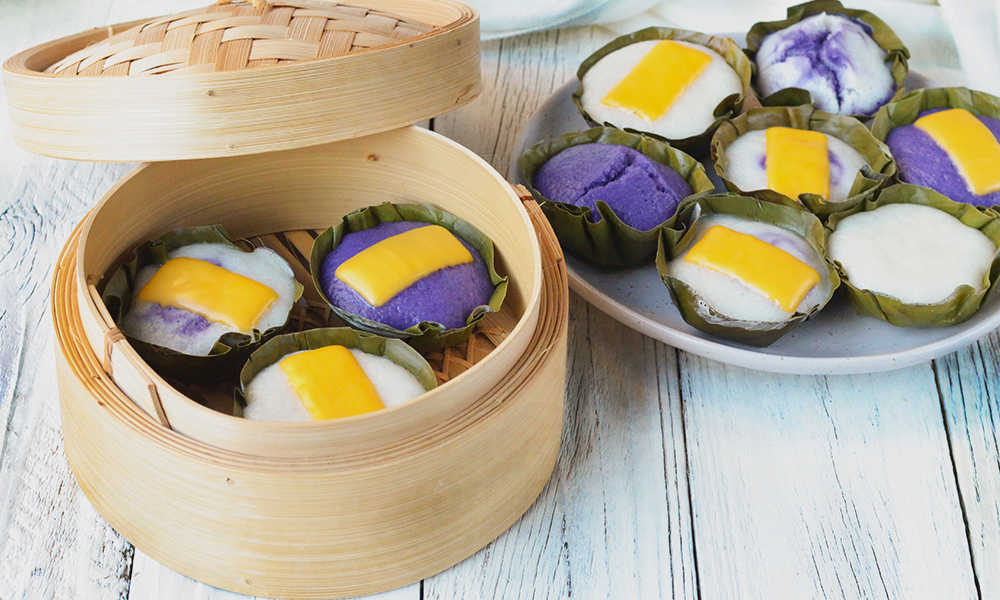
That’s just a small taste of all the delicious Asian steamed dishes you should try. Steaming is also one of the easiest and healthiest ways to cook. So, come master the technique with our handy guide, and check out our collection of Asian steamed recipes!
Discover how you can use traditional Japanese miso, panko breadcrumbs and matcha to create yummy modern delights!
Make and savour the best homemade deep-fried foods with our handy guide!
Meet cumin, the bold aromatic spice with a marvellous earthy warmth and piquant zest!