
-300x200.jpg "Traditional Japanese Ingredients in Tasty Modern Wonders")
Traditional Japanese Ingredients in Tasty Modern Wonders
Discover how you can use traditional Japanese miso, panko breadcrumbs and matcha to create yummy modern delights!
Discover the authentic in Asian cuisine food
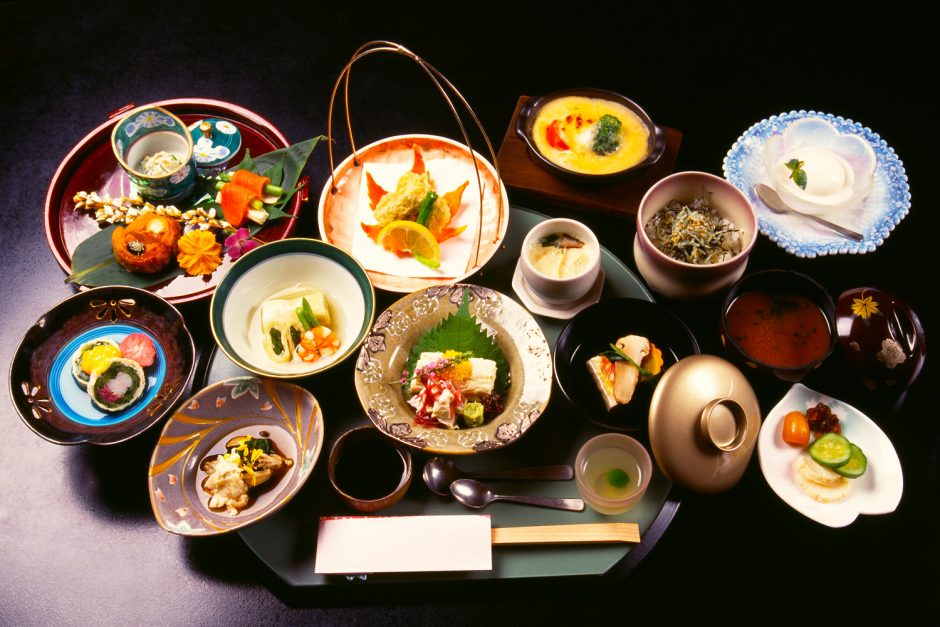
While degustation dining may be all the rage in top Australian restaurants, in Japan multi-course menus have been favoured for centuries. Often compared to French haute cuisine, the art of kaiseki dining is Japan’s most sophisticated cooking style.
This seasonally driven cuisine showcases fresh or preserved vegetables and seafood, presented them in a refined, artistic manner that almost looks too good to eat!
Served in ryokans (traditional inns) and expensive restaurants, kaiseki dinners can feature more than 14 courses, served over many hours. The host delivers a procession of small, delicate plates, with flavours and palate weight increasing throughout the meal.
The affair begins with a sakizuke appetiser, which is similar to a French amuse-bouche and is designed to awaken the palate. Next up is the hassun, often a single piece of sushi or a collection of smaller side dishes, which sets the seasonal tone for the meal.
Slices of spanking-fresh sashimi are served for the mukozuke. A light assembly of vegetables with fish, meat or tofu, the takiawase comes next. The futamono that follows is a small lidded dish, typically a soup, such as miso with cockles or another local delicacy.
The yakimono is often a small whole fish, grilled over flames, simply sprinkled with salt and garnished with a pickled young ginger stem. In order to cleanse the palate, a small dish of vinegared vegetables, called suzakana follows. Similarly cleansing, the nakachoko is a tiny pot of acidic soup, which prepares the palate for the heavier next course.
For the main event, the shiizakana is generally a hot pot or other substantial dish – if you’re dining in your room at a ryokan, a hot plate is generally brought to the table so you can finish cooking this creation yourself. The seasonal gohan rice dish comes next, and then a serve of crunchy pickles called ko no mono arrives. To ensure you’re completely full, a bowl of miso soup and rice, called the tome-wan, herald the end of the savoury courses.
After such an indulgent meal, a simple mizumono dessert of fresh fruit or a delicate confection provides the not-too-sweet icing on the cake.
Discover how you can use traditional Japanese miso, panko breadcrumbs and matcha to create yummy modern delights!
Make and savour the best homemade deep-fried foods with our handy guide!
Come discover how leaf-wraps give Asian steam-cooked foods an extra tasty touch and other unique benefits!