

To some, the traditions and festivals centred on the moon sound like a sombre affair. But for the Koreans at least, their moon festival, known as Chuseok, is a three-day event full of lively festivities and joyous family reunions. Similar to other Asian Moon Festivals, Chuseok begins on the 15th day of the 8th month in the lunar calendar, and is a major festival in Korean culture.
Centered on the harvest period, Chuseok represents a time for Thanksgiving, where many Korean families will get together over the festive period and return to their hometowns. It is such a significant event on Korean calendars that roads will be packed with families travelling back to their hometown over the festive period, and train tickets will be sold out in the run-up to Chuseok.
Celebrating their Heritage
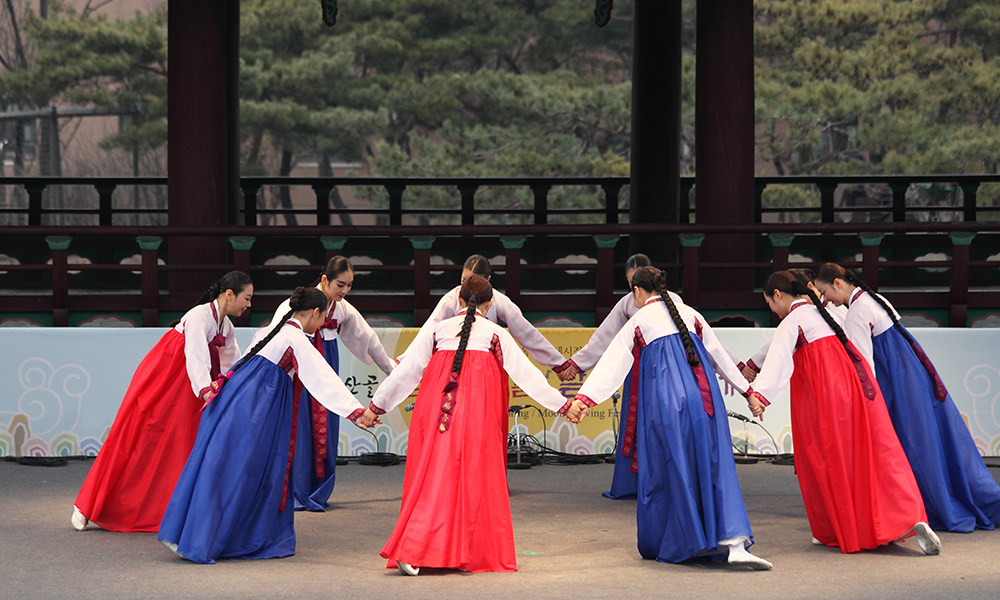
No Moon Festival would be complete without celebrations under a full moon, and the Koreans are no different with their ganggangsullae traditional folk dance. Held on the night of the first full moon on Chuseok, the event involves women dressed in the traditional hanbok dress, dancing hand-in-hand and singing together in a large circle. A popular Korean folklore says that the ganggangsullae dates back to the Joseon Dynasty, where the army would dress women of the village in military garb and have them circle the mountains to give their enemies the impression that they have more troops than they actually had.
Festive Delicacies
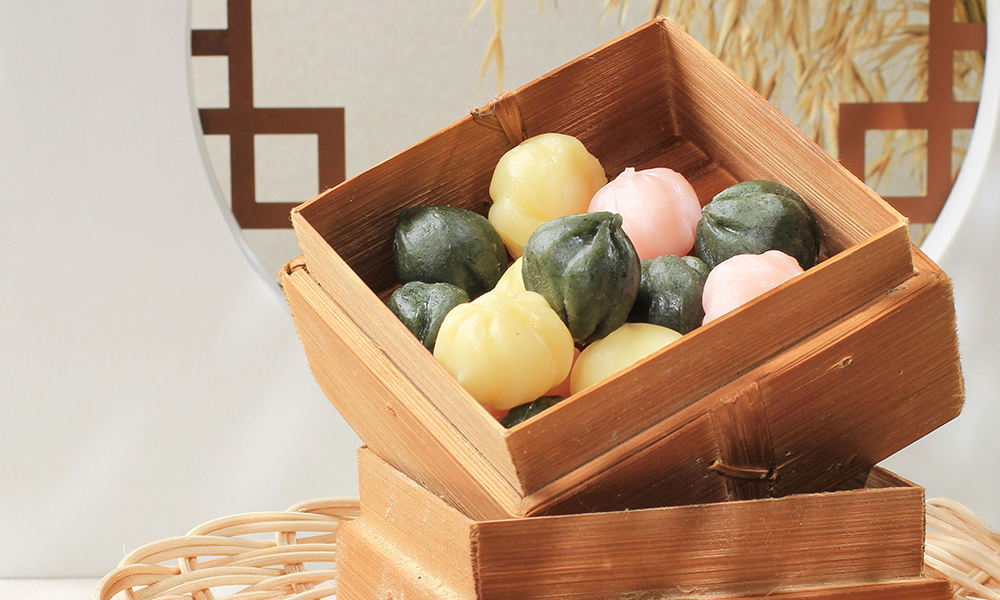
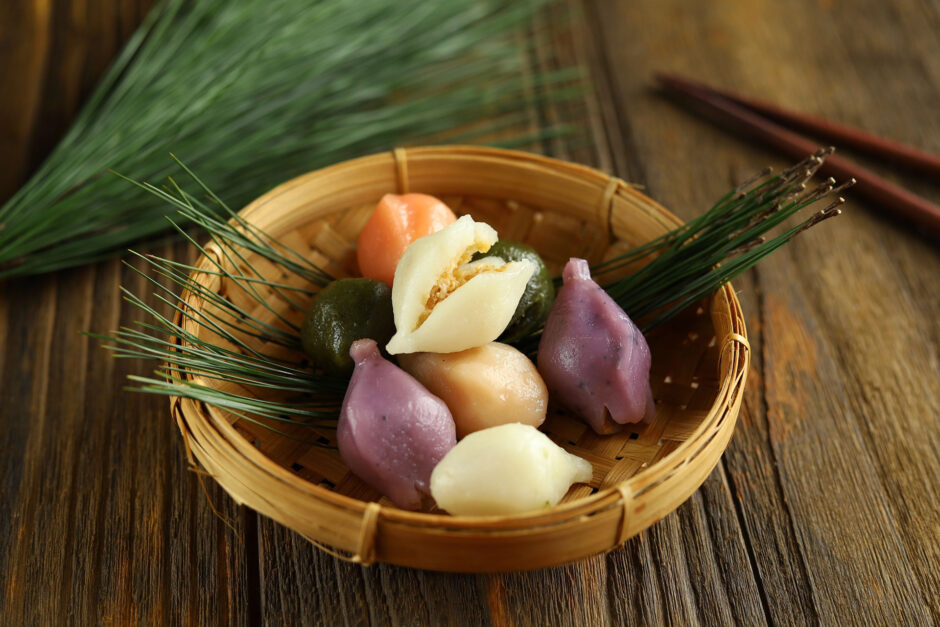
Chuseok celebrates the annual autumn harvest, and thus, the festival’s unique celebration dishes and treats are made from the freshly harvested produce. Songpyeon is perhaps the most iconic of Chuseok delights, as culturally significant as the mooncake in Chinese Moon Festival. Songpyeon are bite-sized rice cakes made of short-grain rice flour, kneaded into a dough to wrap a variety of fillings that include beans, nuts and sesame seeds, sweetened with honey or brown sugar. The filled doughs are delicately kneaded into the half-moon shape, then steamed with pine needles to imbue a refreshing aroma. The soft, chewy rice cakes are arranged in a myriad of beautiful styles to showcase their joyful colours, and shared with loved ones.
The Songpyeon’s half-moon shape embodies the hope for growth and future potential, just as the half-moon becomes full and bright. There’s also an old Korean saying that whosoever makes a beautifully-shaped songpyeon they will meet a good spouse or give birth to a beautiful baby.
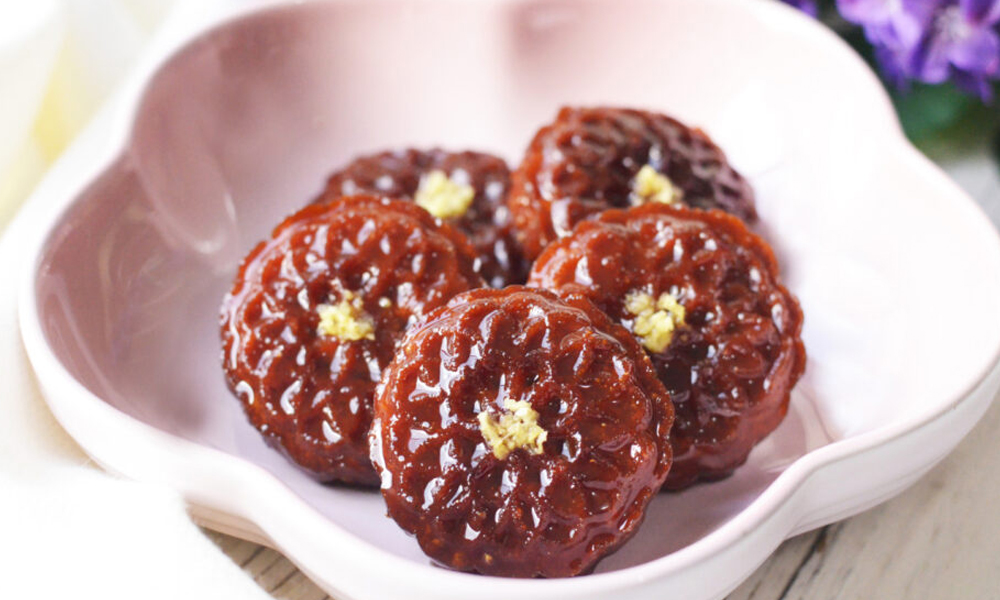
Another classic Chuseok sweet dessert is the Yakgwa. A deep-fried cookie with an intricate floral design and tasty brown shine. Made of glutinous rice flour dough, and coated with a mix of honey, ginger, rice syrup and cinnamon. Sweet, soft and crunchy with a fragrant note. Beloved by children and adults of all ages.
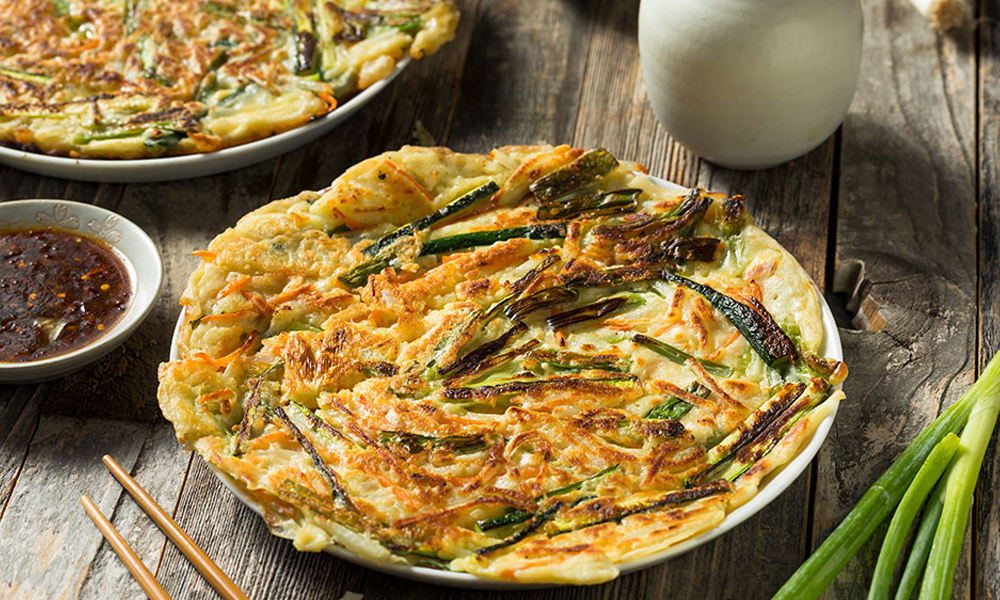
While Jeon pancakes are an everyday snack or side dish, these savoury treats take on an extra meaning during Chuseok, and are a must-have festive dish that represents abundance and prosperity. Among the popular pancakes are the saewoo and saengsun jeon (deep-fried shrimp and cod), made by lightly frying shrimp and cod in batter, but the ingredients for the jeon vary from region to region.
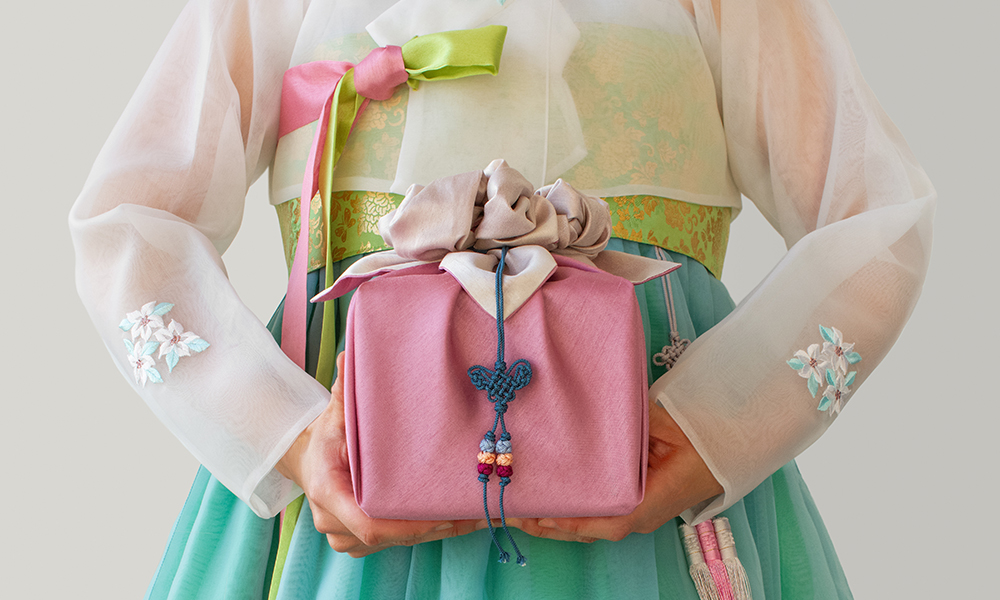
Korean families will also exchange gifts over Chuseok, which are – most of the time – packed with foodstuffs such as short ribs, fruits, and traditional biscuits. These gifts are often beautifully packaged in silk wrappings.
Giving Thanks to the Ancestors
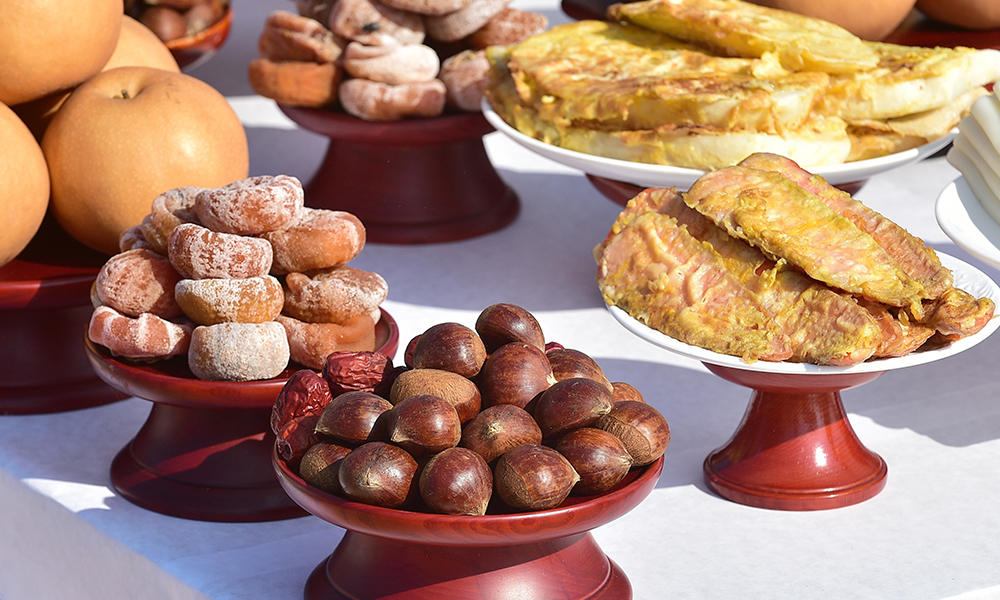
On the morning of the first day of Chuseok, Korean households will hold ancestor memorial services known as Charye. While Koreans do host the Charye ceremony during their Lunar New Year Day earlier in the year, with Chuseok being on the harvest festival, freshly harvested rice, alcohol, and songpyeon, are presented instead.
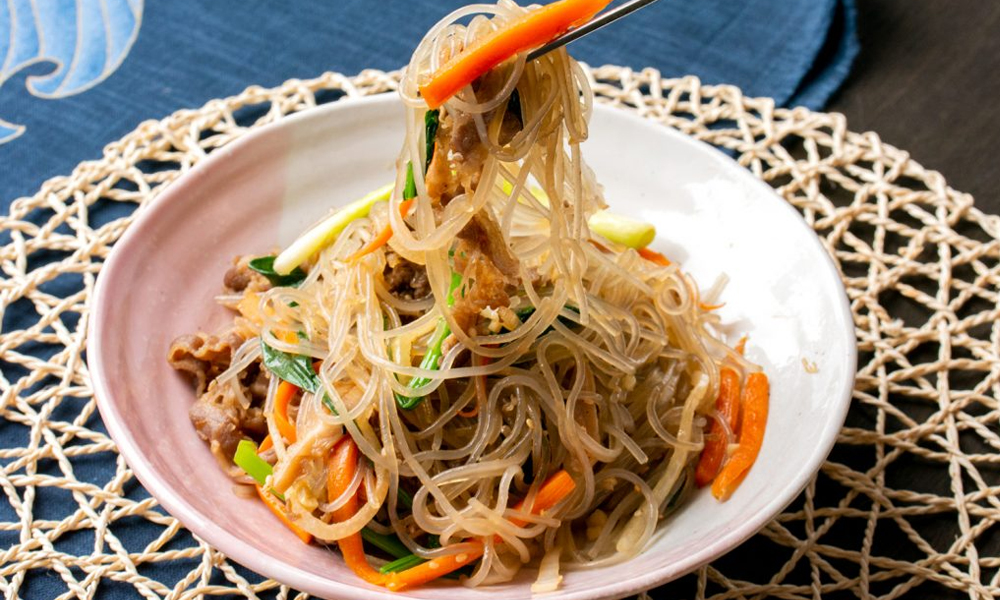
After the ceremony, members of the family will sit down together for a meal, which often consists of celebratory food and food that is offered to the ancestors. The dishes served in these meals include toran guk (taro soup), Galbi-jjim (soy-braised beef short ribs), japchae (glass noodles with vegetables and meat), and sikhaye (a punch made from rice malt).

You must be logged in to post a comment.