
-300x200.jpg "Traditional Japanese Ingredients in Tasty Modern Wonders")
Traditional Japanese Ingredients in Tasty Modern Wonders
Discover how you can use traditional Japanese miso, panko breadcrumbs and matcha to create yummy modern delights!
Discover the authentic in Asian cuisine food
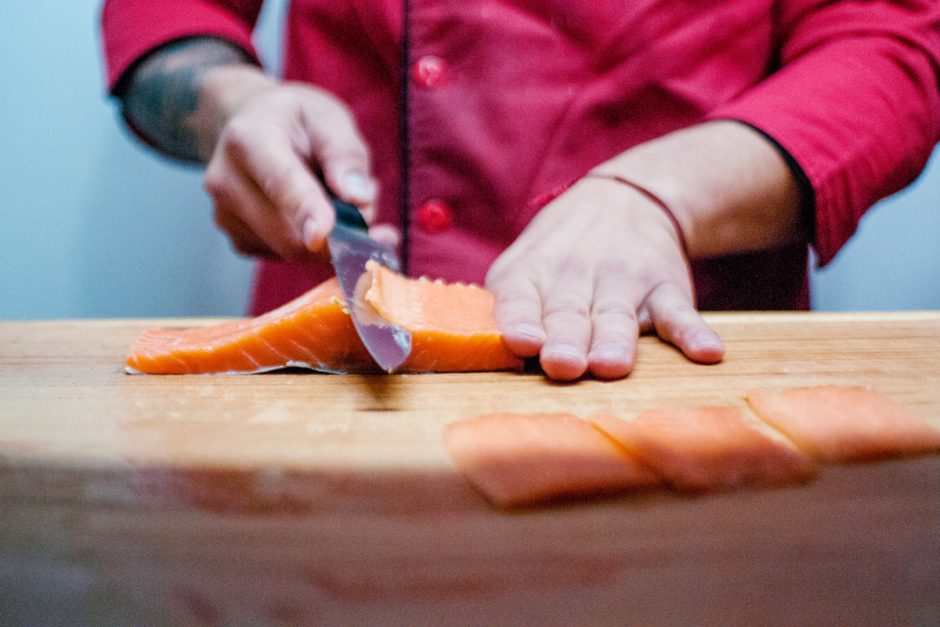
It’s time to brush up on your knife skills with our step-by-step guide to slicing sashimi.

Choosing the freshest, best quality fish is your first step on the road to sashimi success. When it comes to choosing fish for sashimi, almost any type of seafood can be used, including scallops, prawns and squid, but some of the most popular options in Australia include tuna, salmon, kingfish and snapper.
If you’re buying cuts from larger fish (such as tuna and kingfish), look for fillets that are uniform size, ideally four fingers wide. If you’re buying a whole side of salmon, use the thicker top half for sashimi, reserving the thinner bottom half for nigiri sushi or cooked salmon dishes.
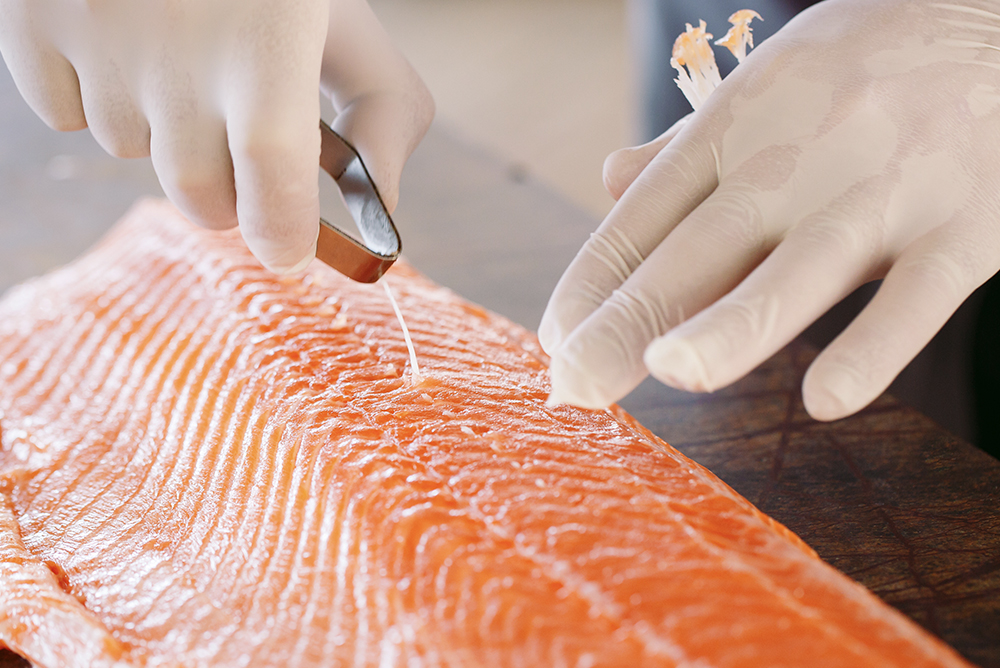
If necessary, use kitchen tweezers to pin-bone the fish. You can find these flexible bones by running your finger across the flesh—they’ll run along the length of the fish, roughly through the middle.
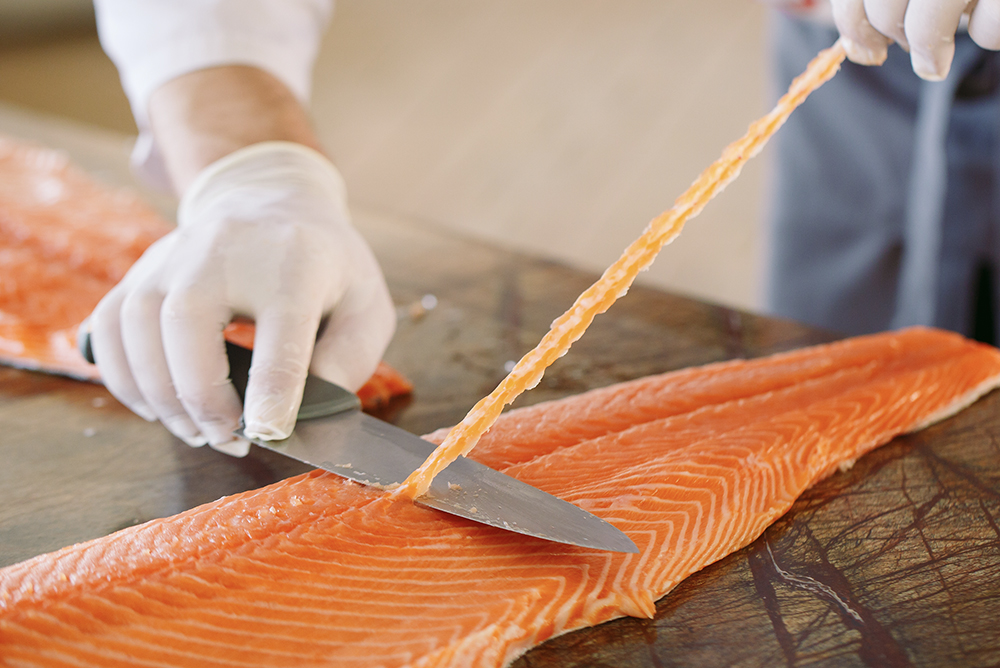
Trim any excess fat or bloodlines from the fish until you have a clean, neat fillet.
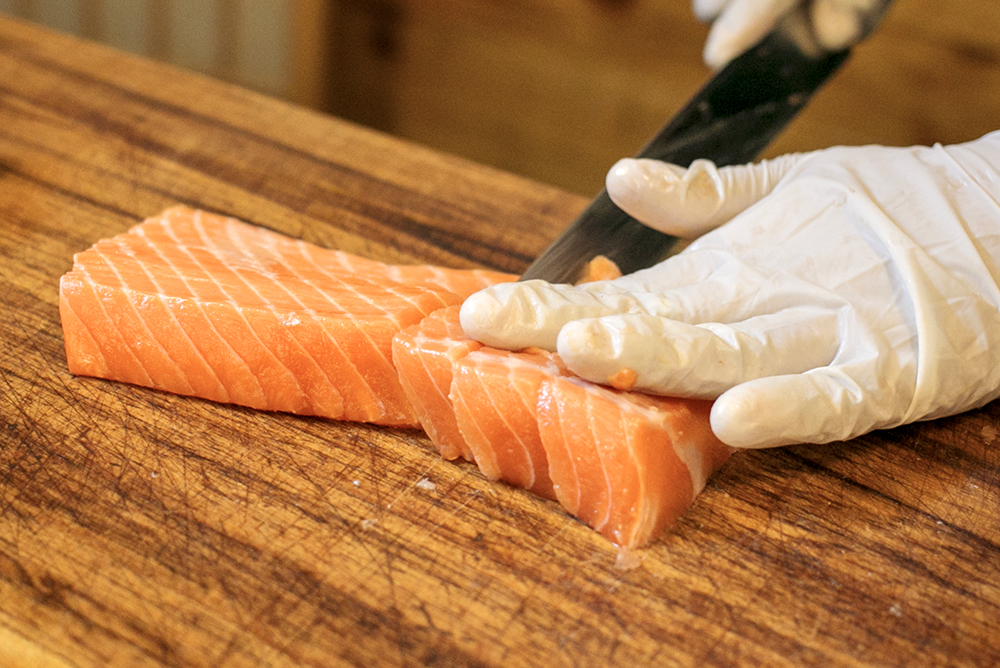
Japanese sashimi masters have myriad slicing styles and methods, but the easiest one to use at home is the hira-zukuri, or rectangular slice method, as it’s ideal for tuna, salmon and kingfish. Place the fillet on a clean chopping board, running lengthways along with the board. If you’re right-handed, start at the right end, using a sharp knife slice from top to base in one clean movement—don’t ‘saw’ through the fish as you’ll destroy the delicate texture.
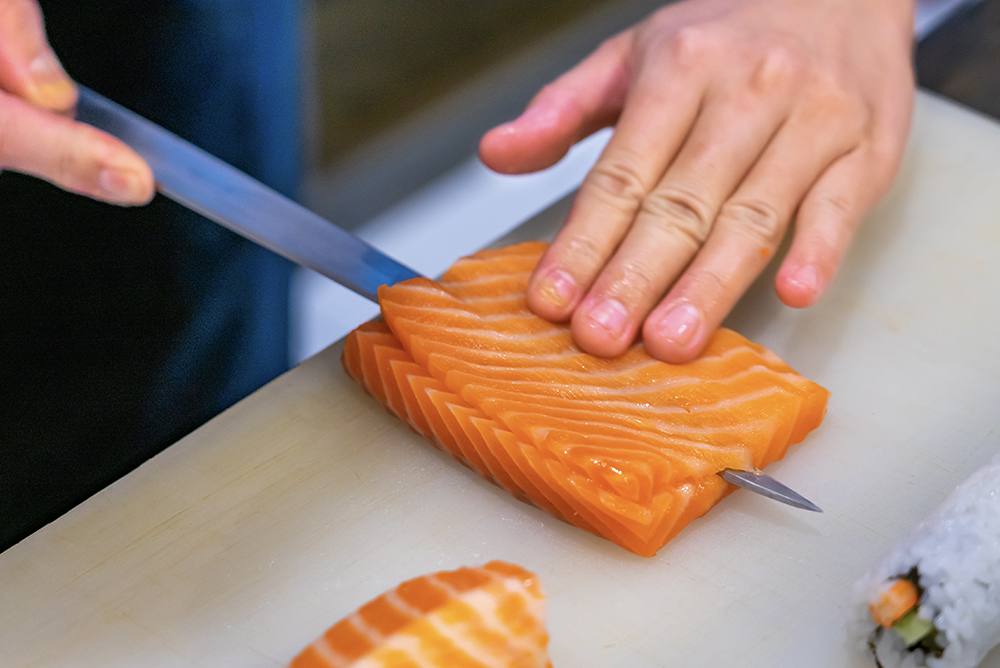
Continue cutting at 1cm intervals (or thinner, depending on your preference), maintaining the same thickness all the way along the fillet. If you’re slicing fish for nigiri sushi, cut through at a 45° angle, rather than straight through the fillet.
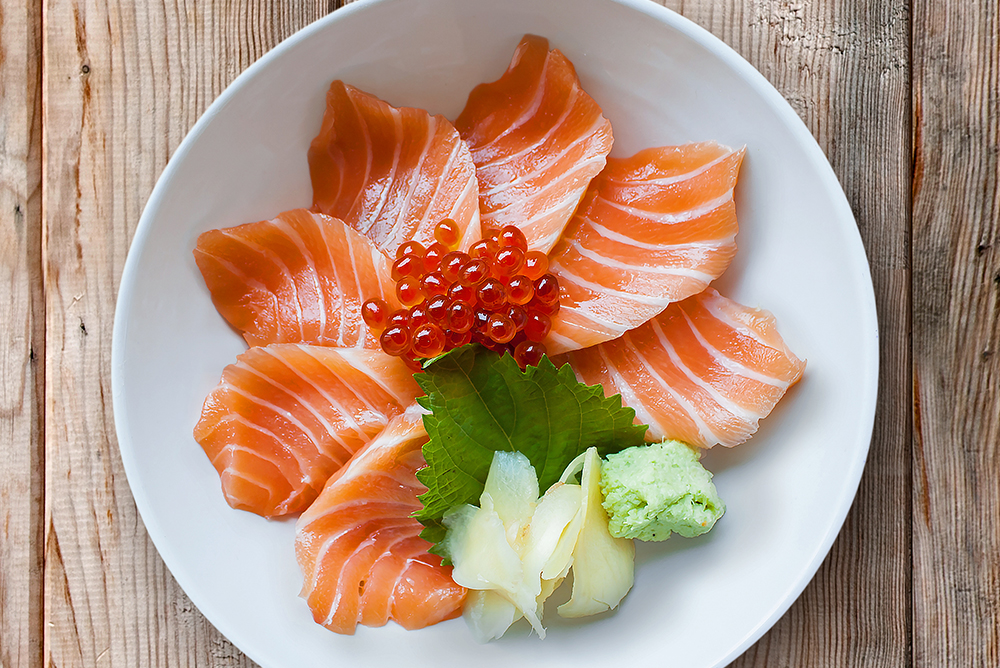
Serve your sashimi immediately. In keeping with Japanese washoku tradition, sashimi is served with three accompaniments—”ken” are little piles of shredded carrot or daikon radish, to prop your fanned fish slices against “tsuma” refers to dark herbs and leaves for garnishing and “karami”, a pungent seasoning, such as wasabi.
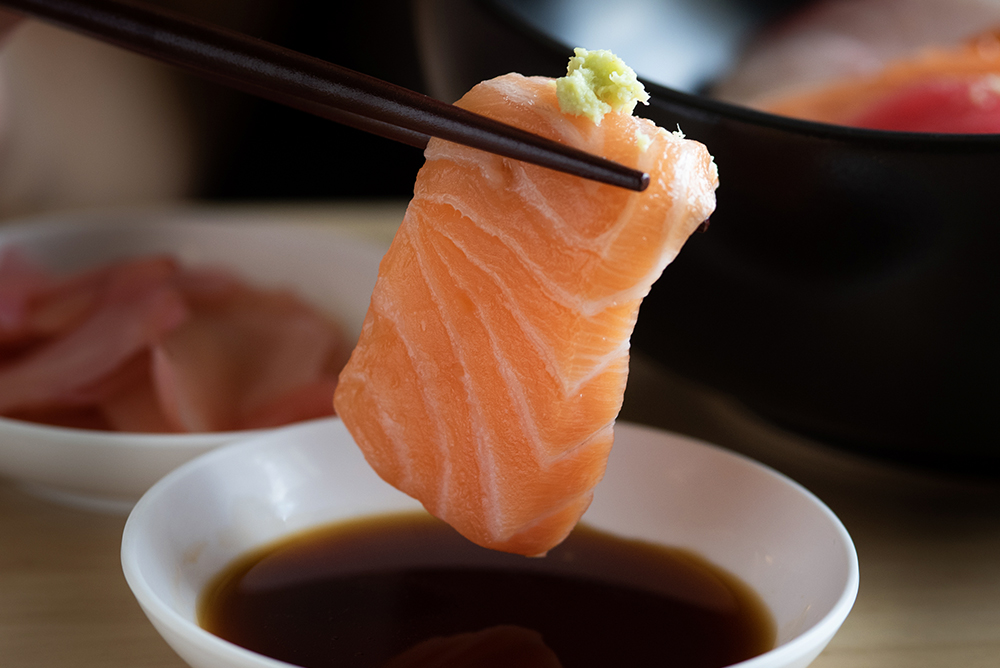
Dab your sashimi slices with wasabi to taste, then lightly dip it into your ramekin of soy sauce, rather than mixing the wasabi into the soy.
Discover how you can use traditional Japanese miso, panko breadcrumbs and matcha to create yummy modern delights!
Make and savour the best homemade deep-fried foods with our handy guide!
Come discover how leaf-wraps give Asian steam-cooked foods an extra tasty touch and other unique benefits!