
Doubanjiang: The Soul of Sichuan Cuisine
Meet the spicy chilli bean paste that defines the zingy, savoury core of Sichuan cuisine.
Discover the authentic in Asian cuisine food
Around the World, Asian Pantry
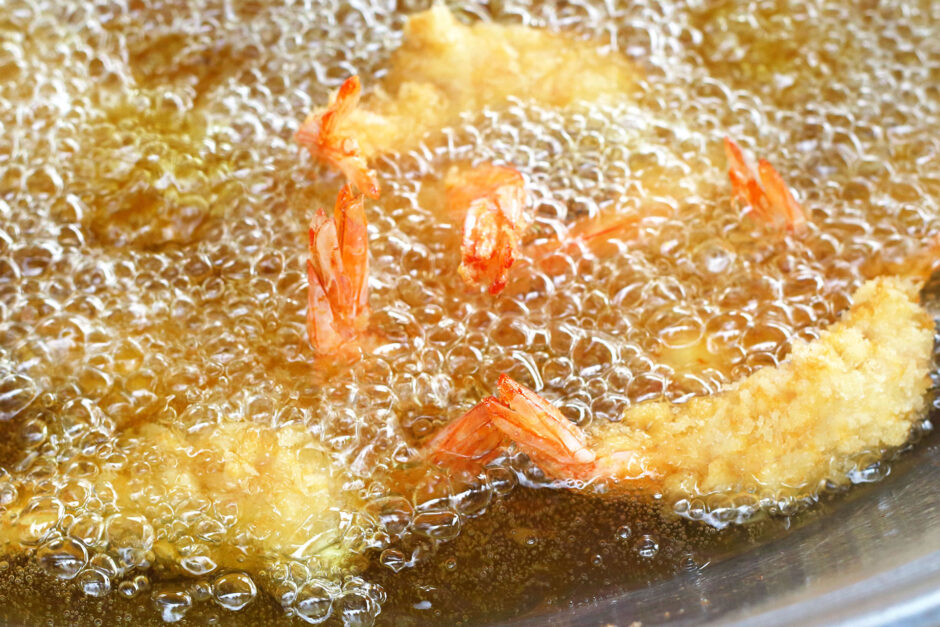
Deep frying is a core cooking method in Asian cuisines, and one of the simplest, most versatile ways to make joyful, yummy treats with a satisfying crunchy bite. From hearty delights like the various flavours of fried chicken and the umami Japanese Katsu dishes, to the bevvy of irresistible snacks, pastries and desserts, you can make and savour them all at home with the right batter and coating, cooking oil temperature, and careful deep-frying steps with handy kitchen utensils.
So, let’s get into it!
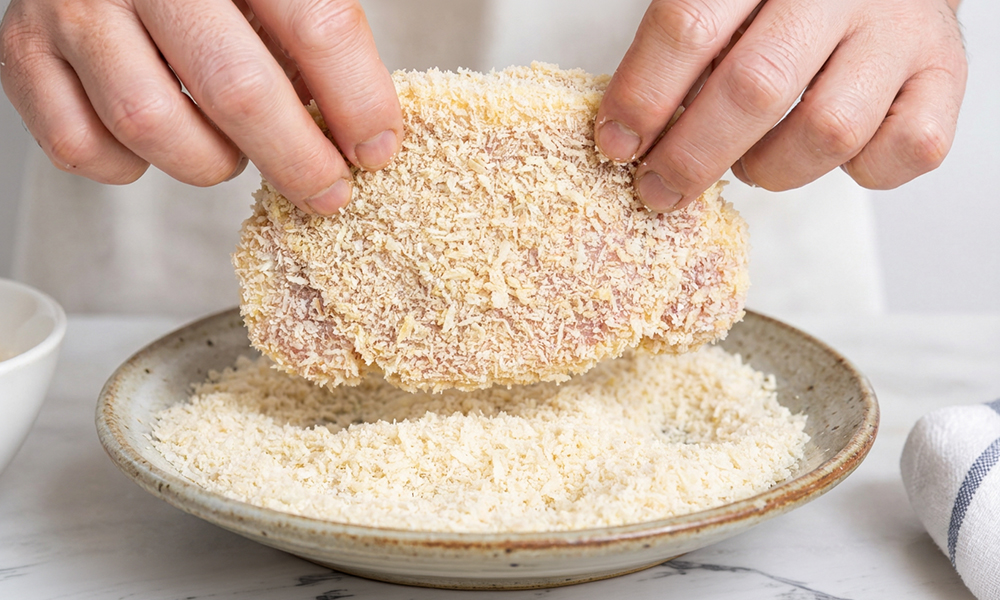
A coating helps insulate raw food from the direct high heat during deep-frying. Without which, the food will desiccate as it comes in contact with the hot oil that sizzles away the food’s moisture and natural juices. Thus, the coating forms a protective ‘shell’ that absorbs the brunt of the intense heat, and channels it smoothly and evenly to cook the food within, while retaining the food’s tender, juicy textures and bringing forth their flavours and aromas. At the same time, the coating dries out in the high heat and firms up into a golden, crunchy outer layer.
Some Asian deep-fried recipes may require a basic batter, which is typically a mixture of flour or starch with a thick liquid like beaten egg, along with a leavening ingredient such as baking powder. Adding a layer of breading after coating your food with batter can give your deep-fried dishes an extra crunchy texture.
Come check out the tasteful Asian deep-fries coatings you can use for your homemade yummies.
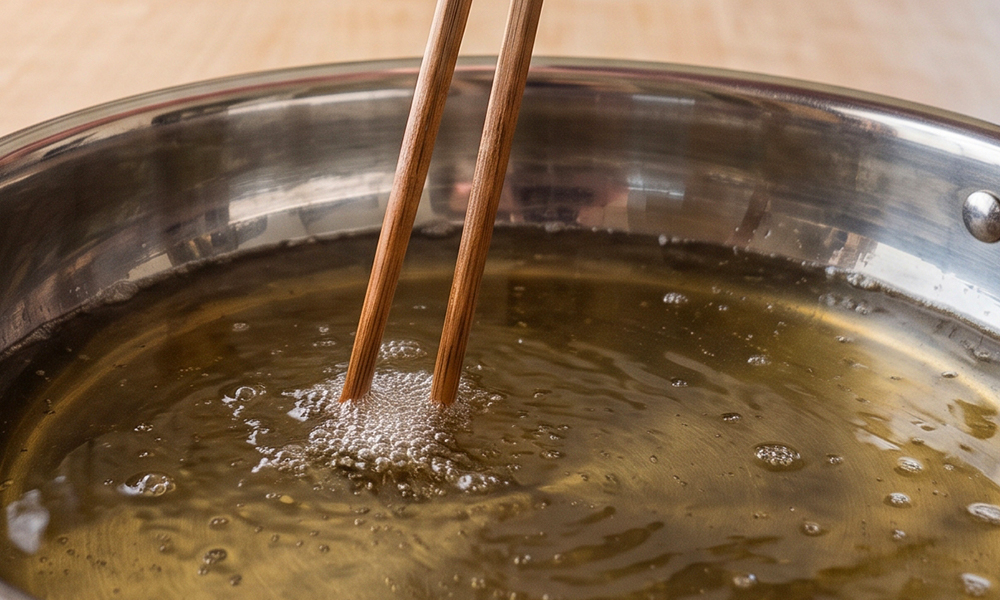
Deep-frying involves pre-heating oil in a wok or a deep saucepan until it reaches the desired temperature. Therefore, a cooking oil with a high smoke point is absolutely paramount. Canola oil, peanut oil and sunflower oil are some examples of refined cooking oils suitable for deep-frying.
For cooking, be sure to heat up enough oil for your coated foods to submerge in. The ideal temperature for deep frying is around 180 °C. Don’t have a cooking thermometer? No worries. You can test to see if your oil is at the right temperature with 2 simple traditional methods. The first is by lowering a long wooden chopstick into the oil. If steady bubbles form around the chopstick, the oil is ready for deep-frying. The second is by dropping in a pinch of your coating mixture. If it immediately sizzles and fries up evenly, the oil is ready.
After the food is well-coated and the cooking oil is suitably heated. Now, time for the frying!
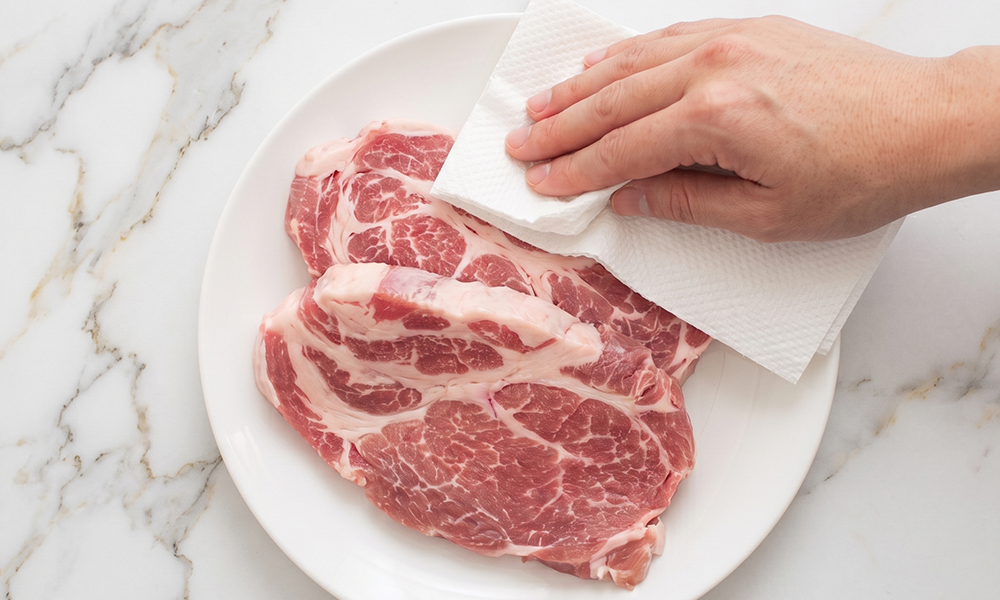
First, pat the food with a clean paper towel to dry off any residue moisture. This will prevent the food from splattering too much in the heated oil. Also, bring refrigerated or frozen food to room temperature before deep-frying, as adding cold food can lower the oil temperature.
Keep in mind that cooking time will vary depending on the type and size of food being fried. Foods that are already cooked, such as onigiri, may only need a short time in the hot oil to develop a crispy exterior, while raw foods such as chicken will require longer to cook through. Smaller pieces generally cook faster than larger ones, so always make sure your food is fully cooked before serving.
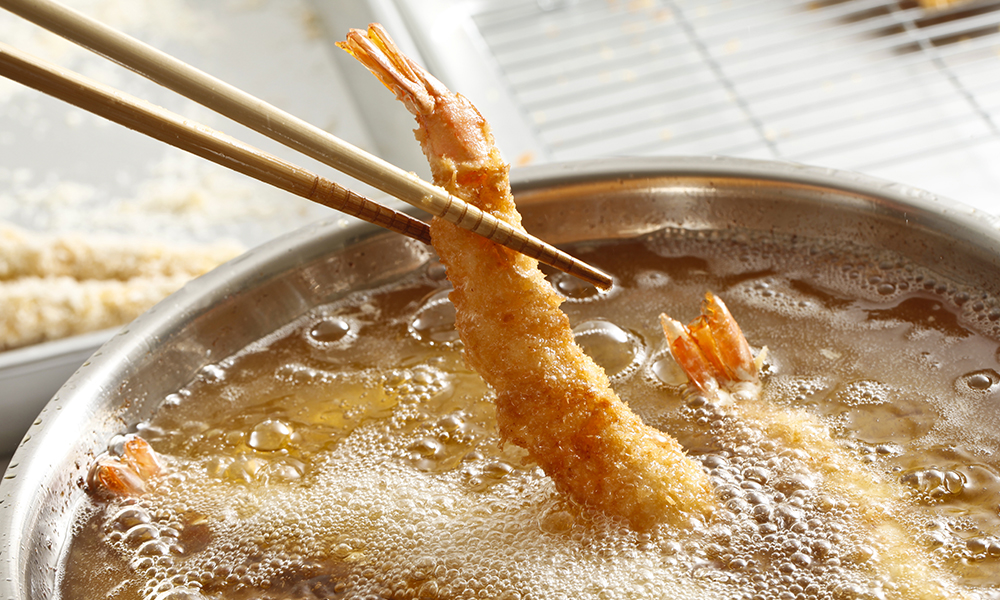
Use a pair of metal tongs or long wooden chopsticks to quickly and safely transfer the food into and out from the hot oil. Go gentle and take care not to pierce or break the crispy coating, as this can let the steam to escape and affect the crunchy texture. Don’t overcrowd your wok or pan with too many pieces. Leave enough space for the food to rise as it cooks, as overcrowding can lower the oil temperature and affect the cooking time.
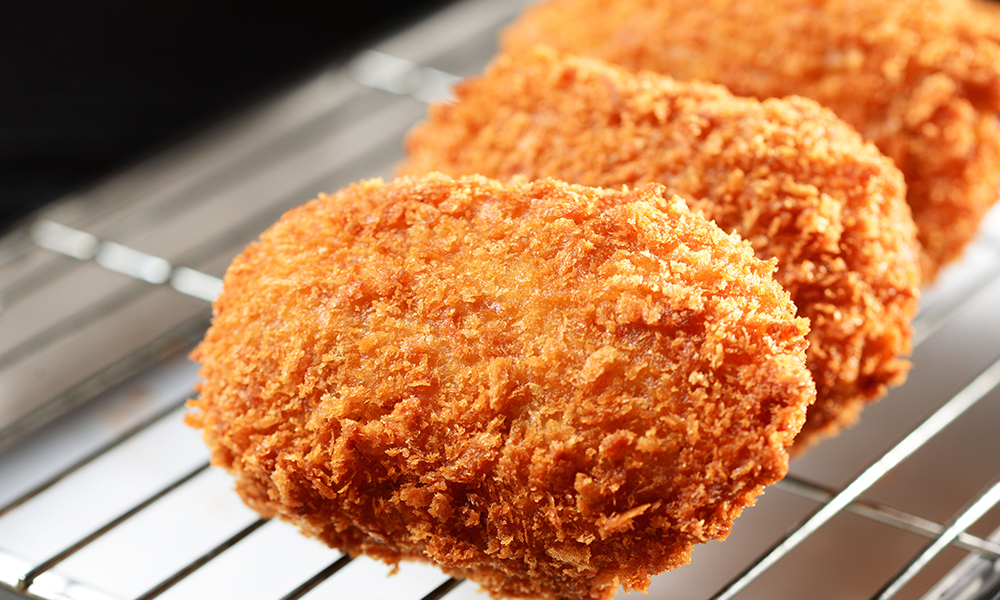
Immediately transfer the fried pieces onto a wire rack lined with paper towels to let them rest and drain out the excess oil. You can use the traditional Chinese ‘spider’ for a fast lift-and-drain. This gives your fried foods a clean, crisp crunchiness, and avoids a soggy, greasy finish.
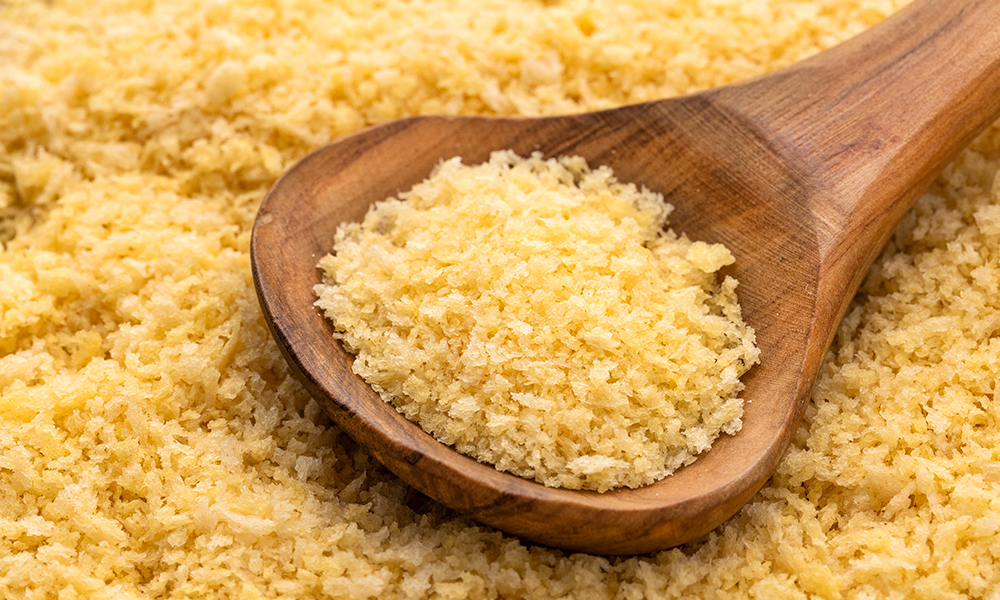
As mentioned above, adding another layer of breading gives your deep-fried foods that satisfying, airy crunch, and Japanese panko breadcrumbs are specially made to achieve it. Compared with traditional breadcrumbs, which generally have finer, denser crumbs, panko is typically made from crustless bread, producing larger, lighter flakes that create an airier coating. Its distinctive texture turns crisp and crunchy during deep-frying, while the flakes create tiny air pockets in the coating, which distributes the high cooking heat evenly, and creates a crisp finish with a light, airy bite for your deep-fried treats.
Here are 2 tasteful specials to get you started:
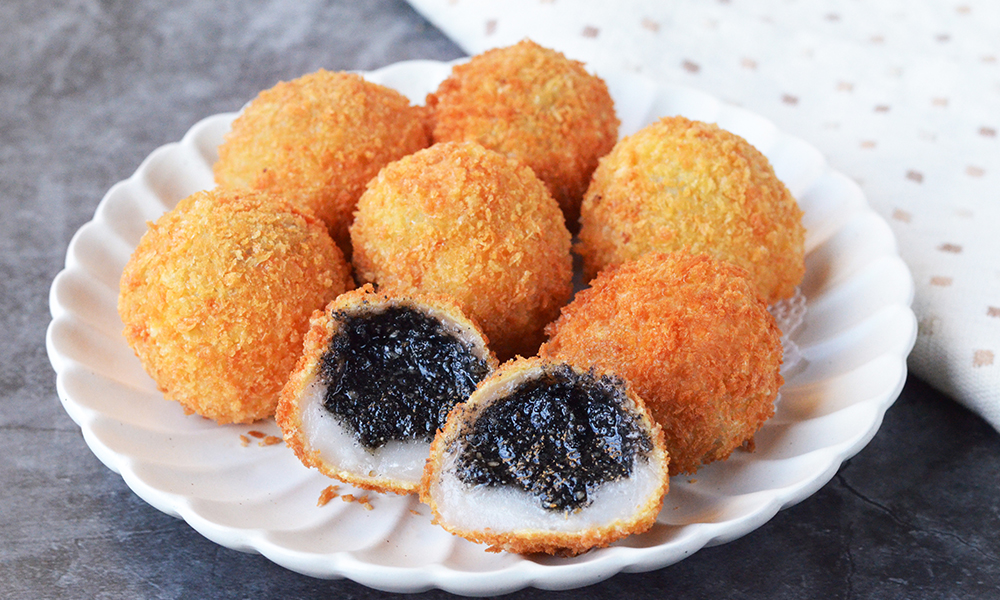
Obento Panko Breadcrumbs give these Japanese-inspired mochi a thin, crispy golden crust that reveals its soft, chewy centre in every bite. Sweetened with a buttery, nutty toasted black sesame filling that melts in your mouth. A delightful, tantalising dessert to savour with the whole family. Come grab the recipe!
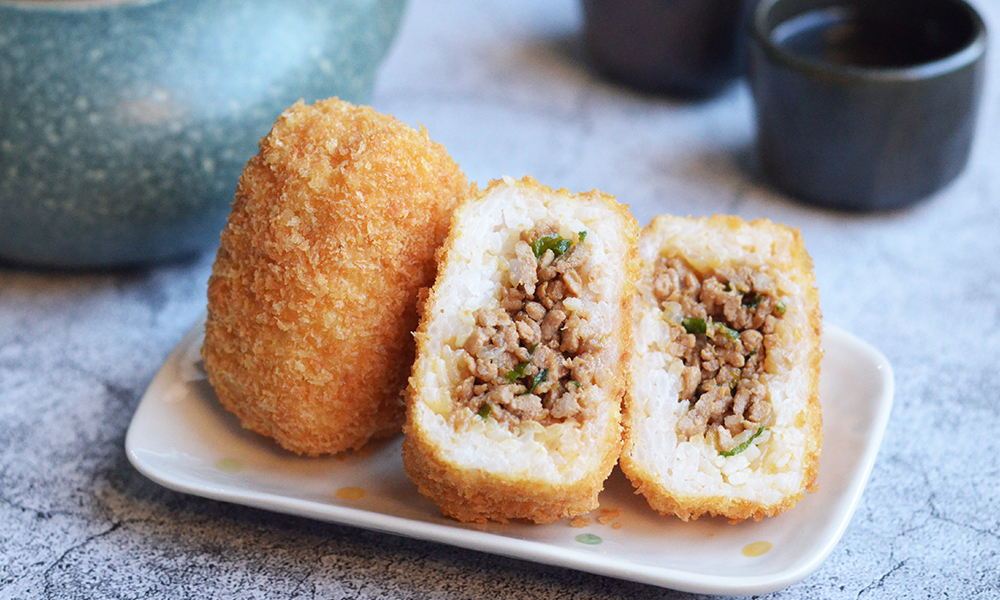
Japanese Onigiri rice balls are made for fast, convenient meals. Traditionally moulded in a thick triangular shape that fits nicely in your palm, and comes in a variety of fillings to satiate your appetite. Our recipe features a crunchy panko crust surrounding soft sushi rice and a tender pork mince filling. Enriched with a savoury-sweet Teriyaki sauce, and aromatised with garlic, ginger and refreshing spring onion. Perfect for your picnics or packed meals. Come have a taste!
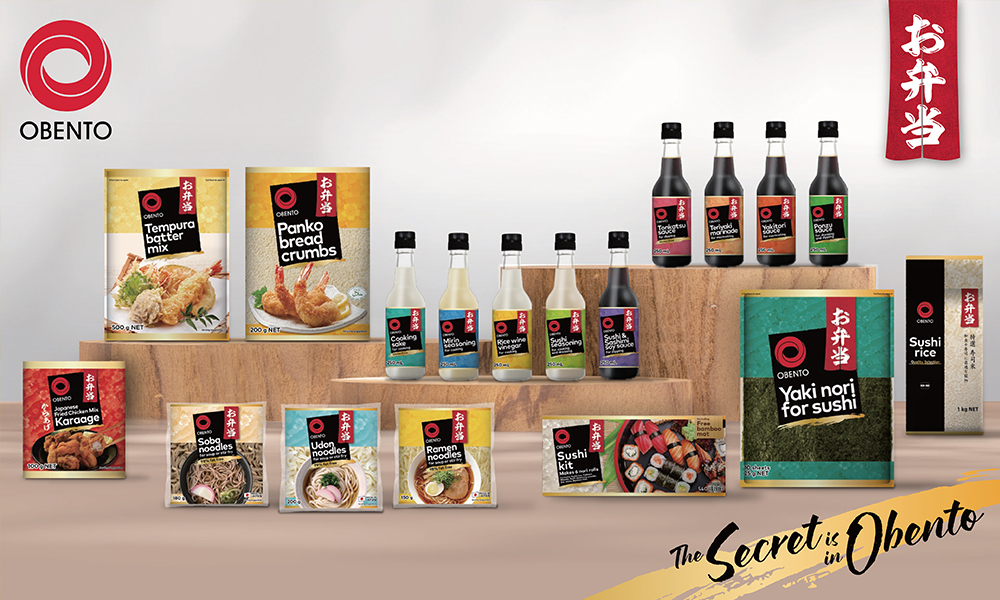
Obento Panko Breadcrumbs bring light, crispy Japanese-style crunch to your homemade creations. From savoury and meat favourites to sweet treats, there are plenty of delicious ways to get creative with panko. So, grab a pack from your local supermarket and get crunching at home!
Meet the spicy chilli bean paste that defines the zingy, savoury core of Sichuan cuisine.
Discover how you can use traditional Japanese miso, panko breadcrumbs and matcha to create yummy modern delights!
Come discover how leaf-wraps give Asian steam-cooked foods an extra tasty touch and other unique benefits!
-300x200.jpg "Traditional Japanese Ingredients in Tasty Modern Wonders")