
The Wholesome & Tasteful Comfort of Cantonese Soups
Discover the rich and delectable love of comforting, savoury soups in Cantonese cuisine.
Discover the authentic in Asian cuisine food
Around the World, Asian Pantry
Every cuisine has its own unique ingredients that define its taste profile and flavour palate. Traditional Hokkien ingredients are used to create the blends of delicate textures, bold flavours, and depth of taste in Hokkien cuisine.
Some of these novel ingredients were crafted since ancient times, refined through the ages, and remain signature icons of Hokkien cuisine to this day.
Let’s explore 4 of these culinary wonders!
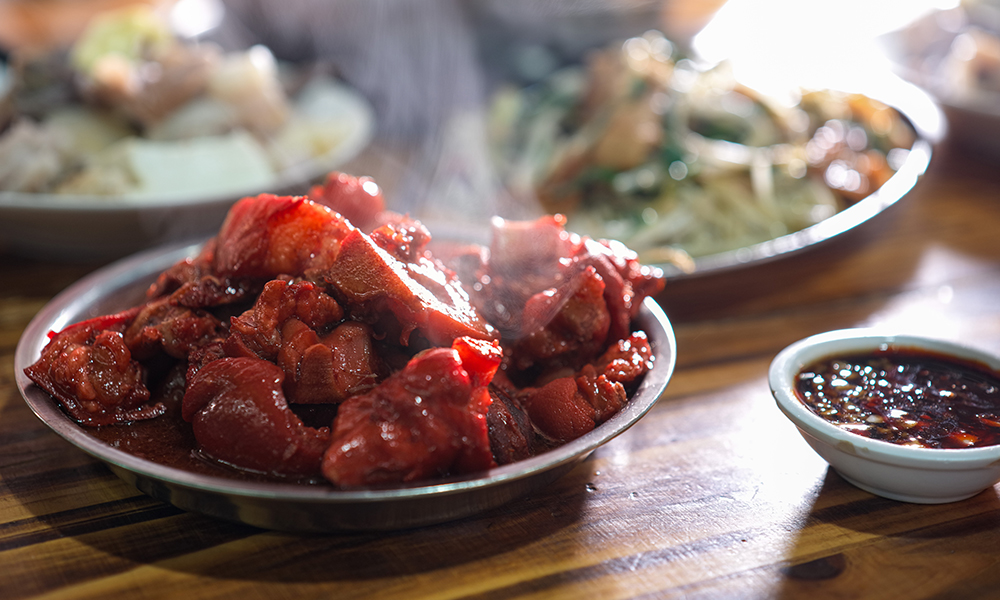
Hongzao or red glutinous rice wine lees impart a rich, aromatic, and slightly tangy flavour to Hokkien dishes. The wine itself is also a Hokkien flavour ingredient used for similar aromatic effect. The bold rosy colour comes from fermenting glutinous rice with a special yeast, scientifically named Monascus purpureus.
The rice is first cooked, ground and blended with water and the yeast, then sealed in jars and stored for at least 2 months. Finally, the fermented mixture is meticulously filtered through a muslin cloth to extract the wine and separate the lees.
This wine-making method dates all the way back to the Song Dynasty, circa 900-1200 AD, and originates from Fuzhou. Many Hokkien families today within Fuzhou, China and the global diaspora, still carry on the tradition of making their own red glutinous wine and lees. Both ingredients are integral to Hokkien cuisine and are essential to cook up Lunar New Year dishes, for the festive colour and the aroma to combine with savoury, umami flavours.
The Hongzao lees are especially valued for braising and stir-frying meats, giving dishes like Hongzao Chicken and Hongzao Pork their distinctive aroma, colour, and mild tang. These dishes are staples in Hokkien cuisine, particularly during Lunar New Year celebrations.
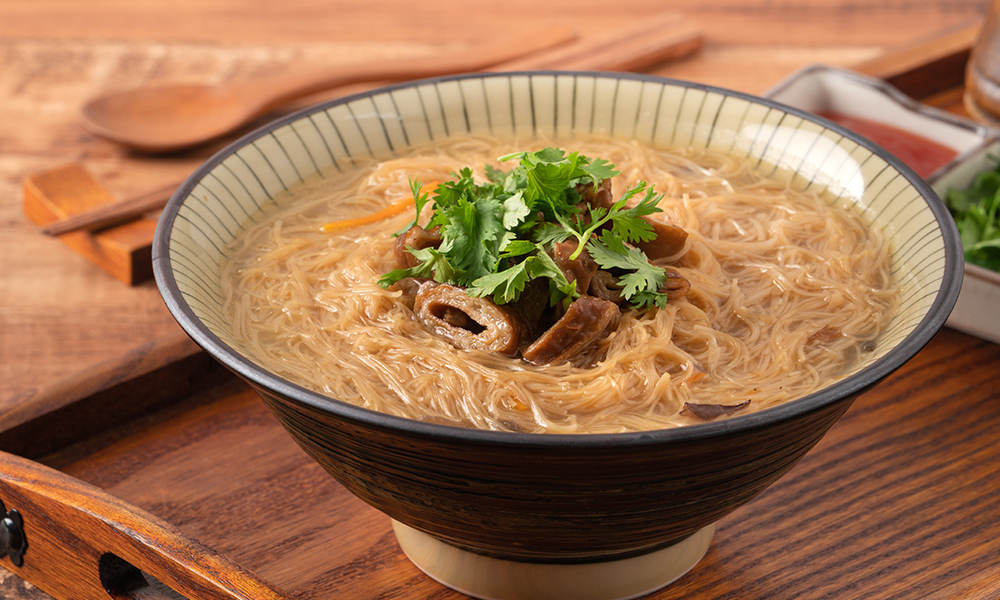
Chinese cuisines have an expansive range of noodles, and Hokkien Mee Sua is among the most unique and slurp-licious.
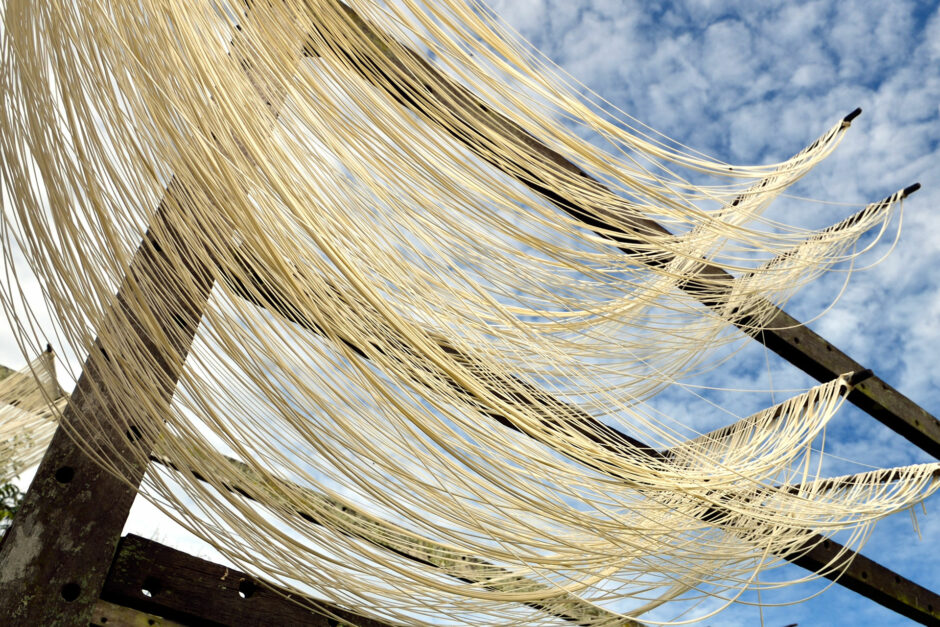
The traditional way to make Mee Sua begins with the dough, made by mixing wheat flour with water and salt. The dough is divided and woven on bamboo sticks, then delicately hand-pulled and stretched to extra-thin strands before being sun-dried. It is an intricate, artful process that makes Mee Sua noodles velvety soft yet chewy, and ready to absorb the flavours they are cooked with. Even on its own, boiled Mee Sua with a simple shallot oil seasoning exudes a smooth savouriness as you slurp!
Besides being a Hokkien household favourite, Mee Sua also represents longevity and is often enjoyed in birthday feasts and banquets, as well as major festivals like Lunar New Year.
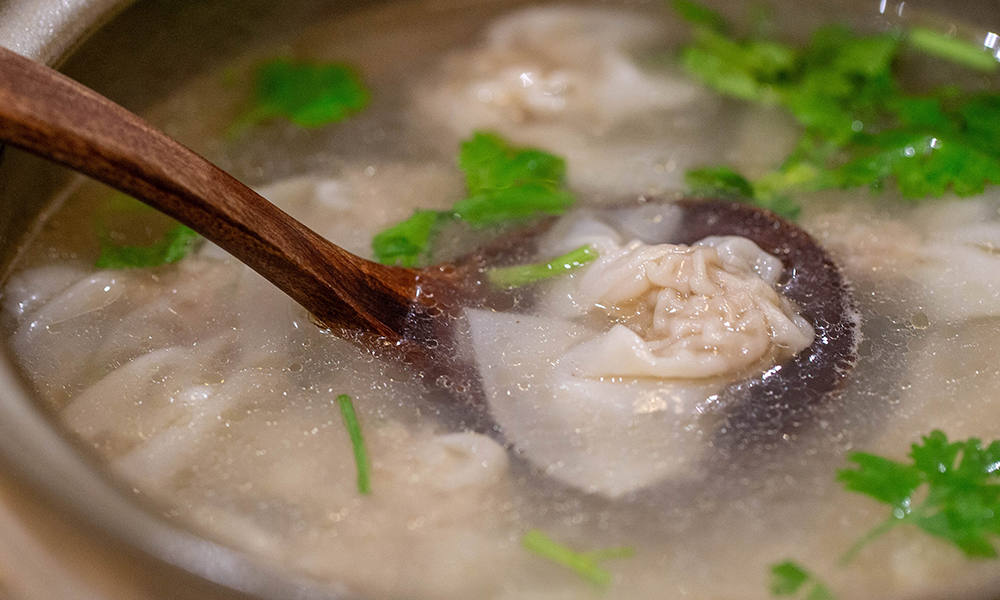
At first glance, Hokkien Yanpi may seem like every other flour-based wrapper for wontons and dumplings. But the Yanpi’s subtle savoury aroma and silky-smooth texture are guaranteed to make Hokkien wontons, dumplings and other goodies with fillings taste like no other.
Yanpi literally means ‘Swallow Skin’, though absolutely no swallows are involved in its making. Yanpi is actually made by pounding lean pork meat into a paste, mixed with starch, then flattened and stretched into paper-thin ‘skin’. The result is a wrap that instantly elevates meaty fillings to a tantalising umami wholeness, with a hearty, savoury aroma that lingers as you munch!
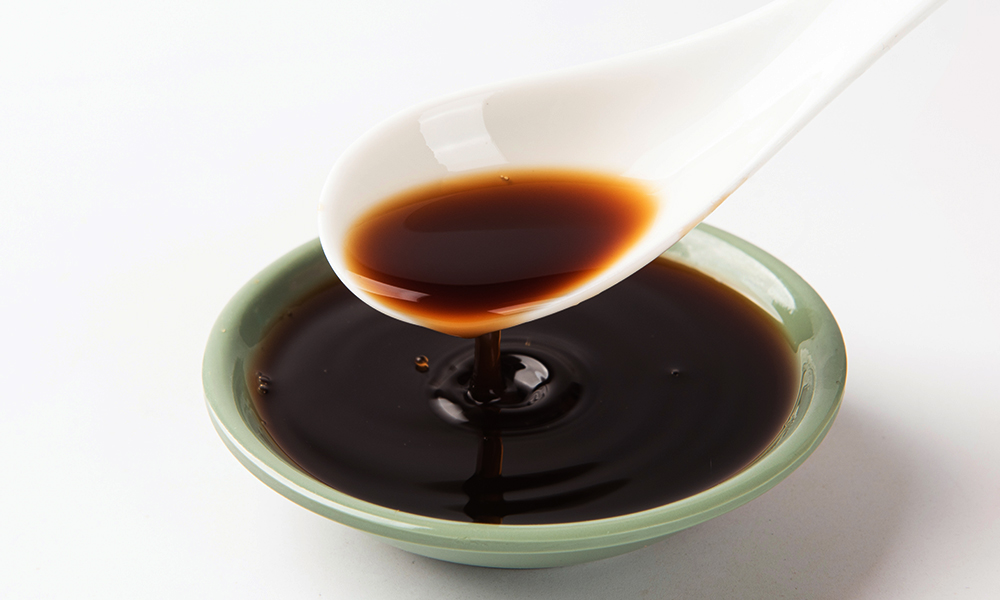
A specialty of Yongchun County, Fujian, the Yongchun Aged Vinegar has a thousand-year-old history, and is one of Four Famous Chinese Vinegars. Unlike the typical vinegary tang, Yongchun vinegar is a dark maroon-brown condiment with a distinct sweet flavour, mellow warming taste, and refreshing ester aroma.
Still made in the traditional way today, Yongchun Aged Vinegar is brewed from glutinous rice with red yeast. Mashed, steamed, and filtered, with the resulting liquid placed in urns to ferment for up to 3 years. Every year, the liquid is poured into another urn of older vinegar to ferment and age further, developing a rich, sherry-like sweetness.
Yongchun Aged Vinegar is mainly enjoyed as a condiment and seasoning for Hokkien-style meat and seafood dishes, giving them a delicious sweet-savoury taste and appetising aroma.
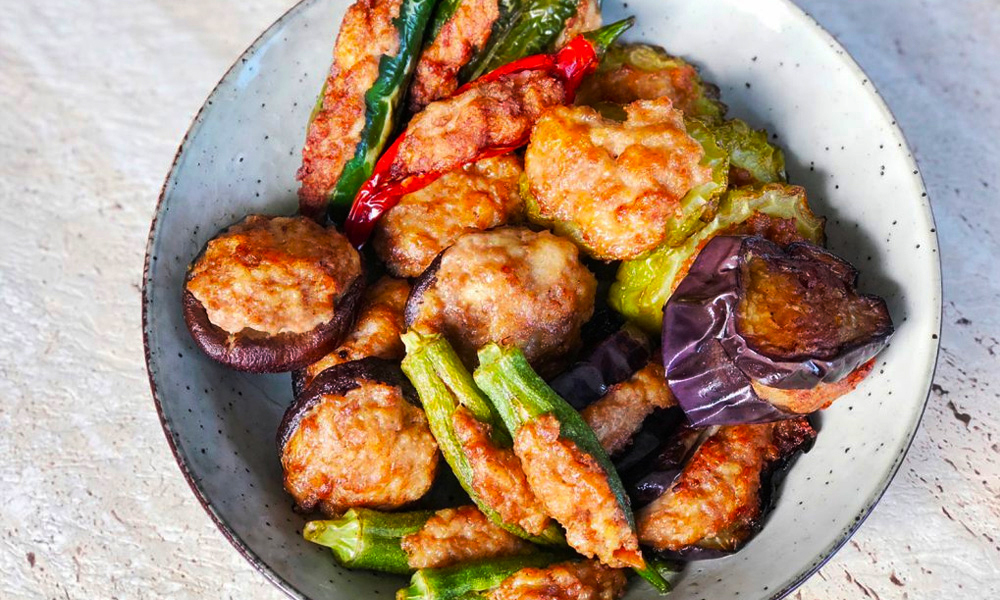
Hokkien or Min Cuisine is one of 8 Major Chinese Cuisines. Each with a distinct flavour palate, unique ingredients, and a plethora of delicacies to savour. Come explore them here, and be sure to check out our massive collection of Chinese cuisine recipes!
Discover the rich and delectable love of comforting, savoury soups in Cantonese cuisine.
Burmese or Myanmar cuisine is among the most interesting, soulful and uniquely tasty Southeast Asian cuisines. Come learn more about it!
New to Cambodian cuisine? Let’s explore the bold, rich and complex flavours that make Cambodian cuisine uniquely yummy!