
-300x200.jpg "Traditional Japanese Ingredients in Tasty Modern Wonders")
Traditional Japanese Ingredients in Tasty Modern Wonders
Discover how you can use traditional Japanese miso, panko breadcrumbs and matcha to create yummy modern delights!
Discover the authentic in Asian cuisine food
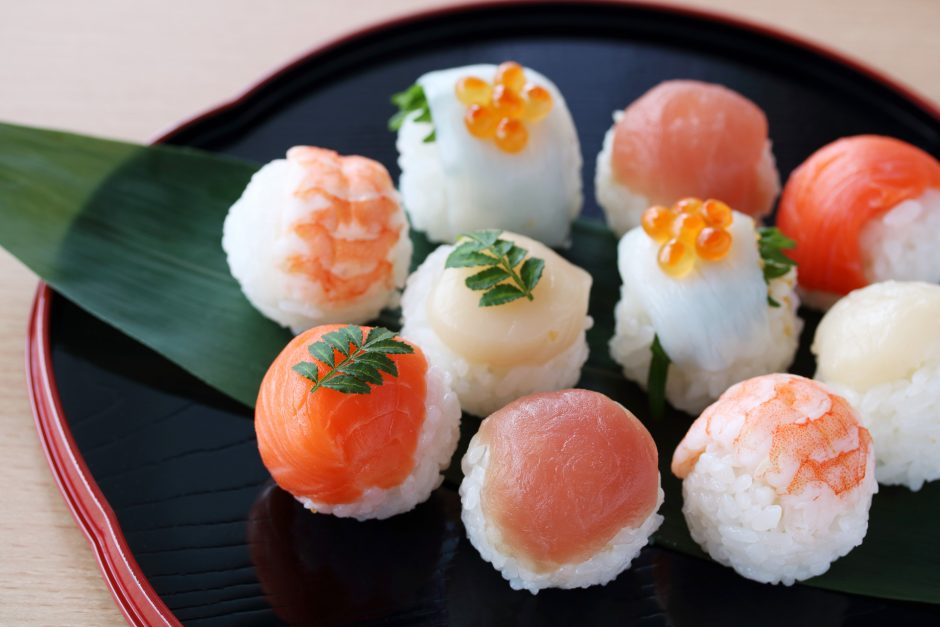
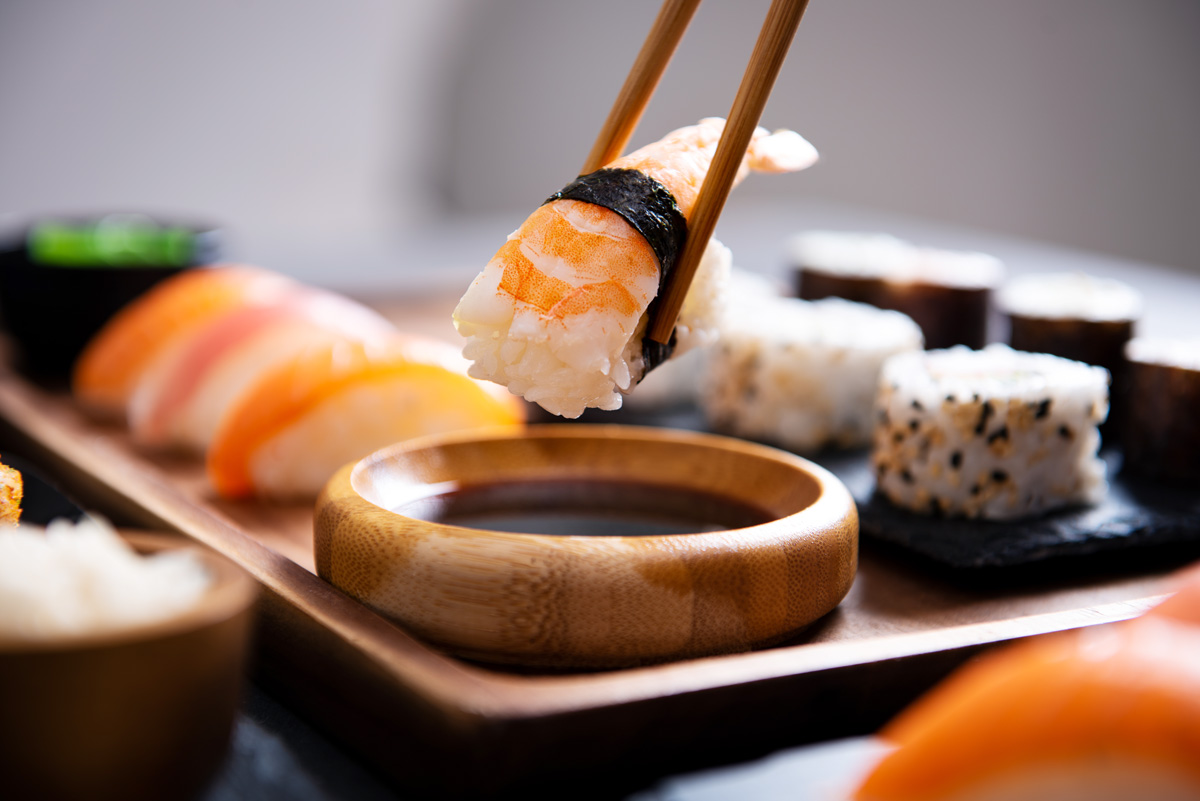
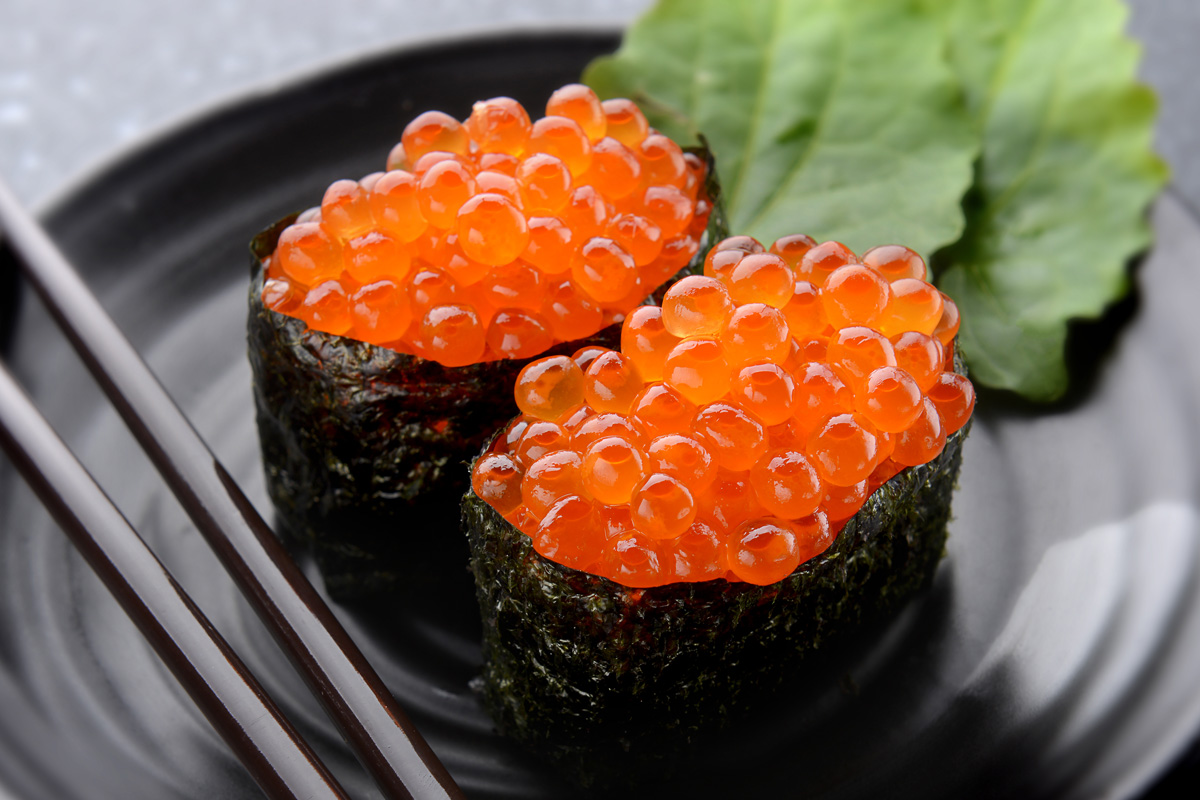
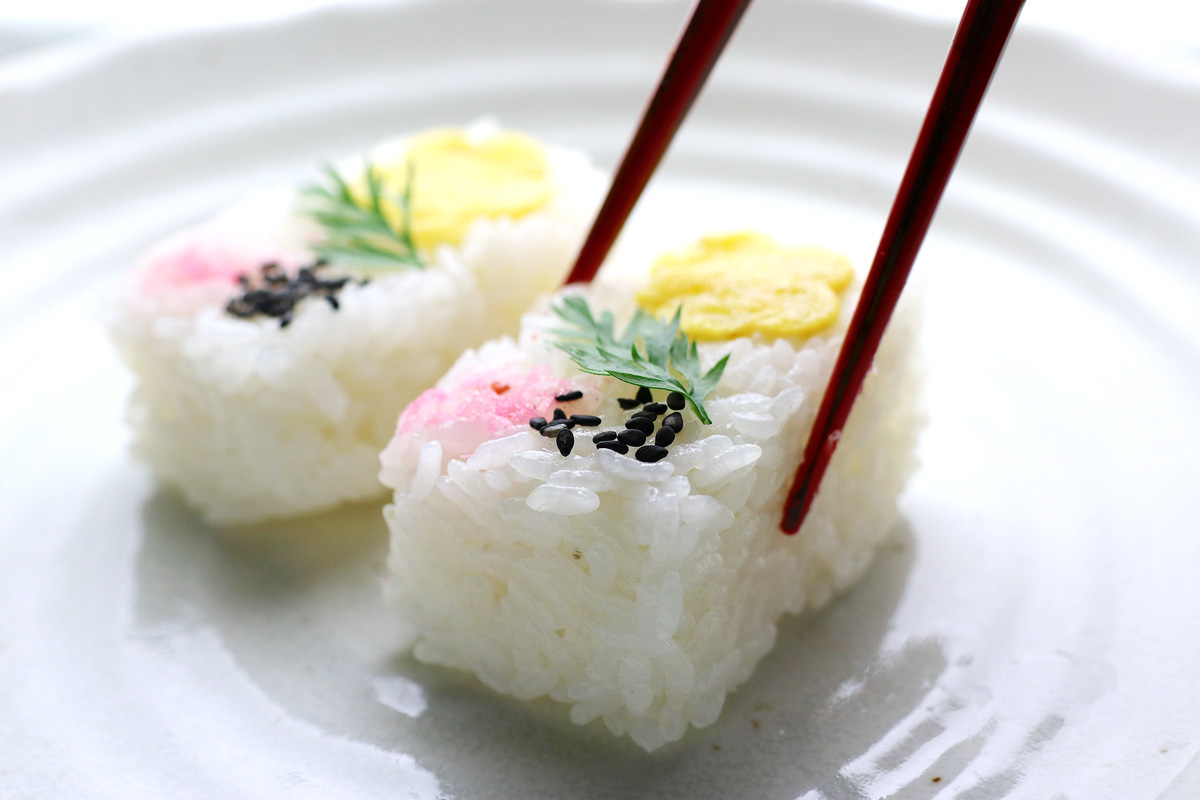
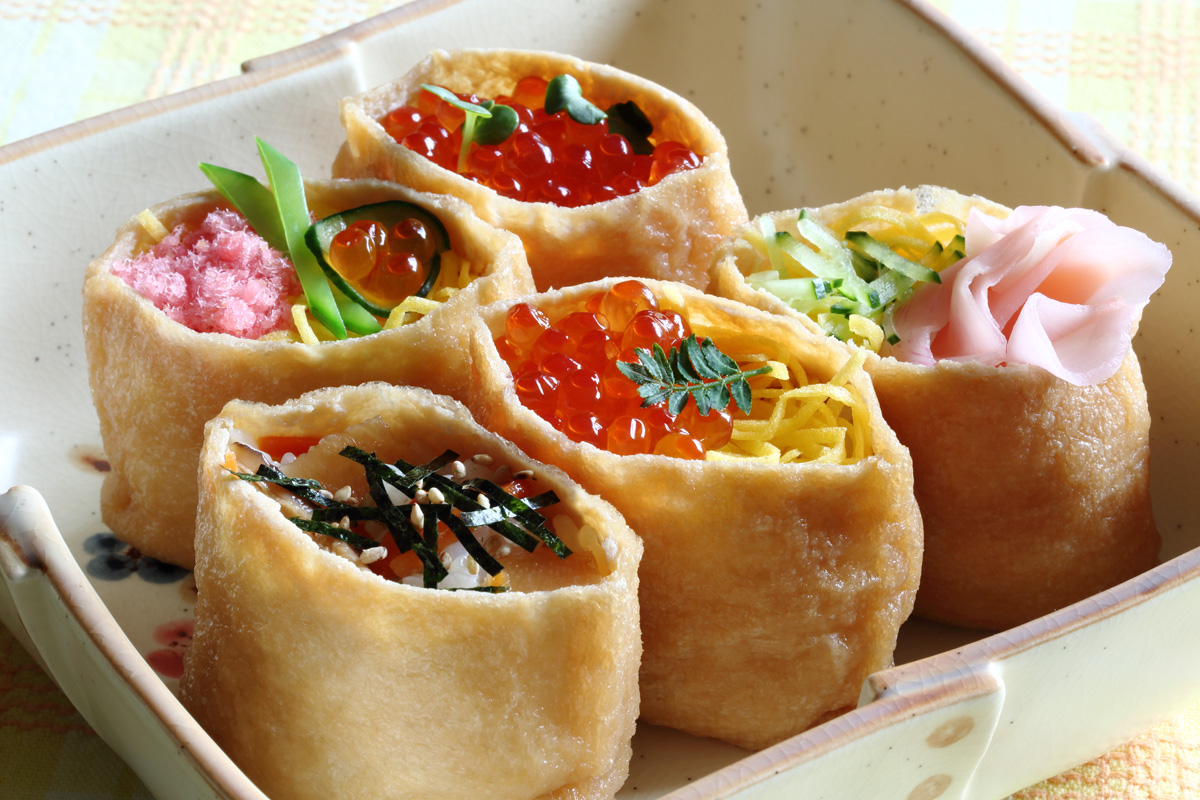
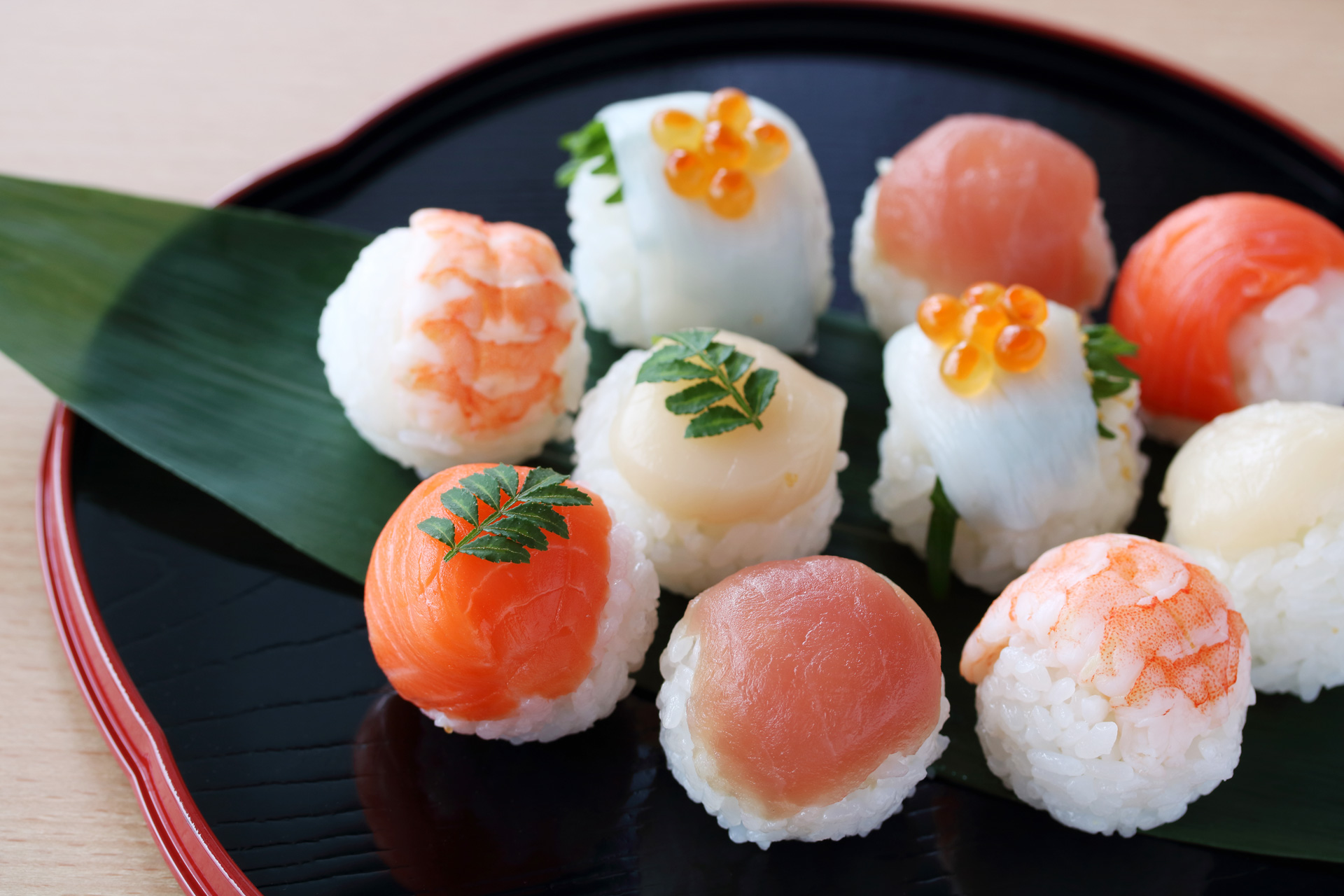
Whether its high-end tuna served at some of our finest restaurants, or a quick handroll for lunch, sushi is eaten all over Australia by the kilo. There’s a huge variety of different sushi, and it can get confusing for Japanese fish lovers as a lot of them look very similar.
So if you don’t know the difference between your maki’s – that’s ok! That’s why we’re here! Please, read on and be enlightened.
The different types of sushi.
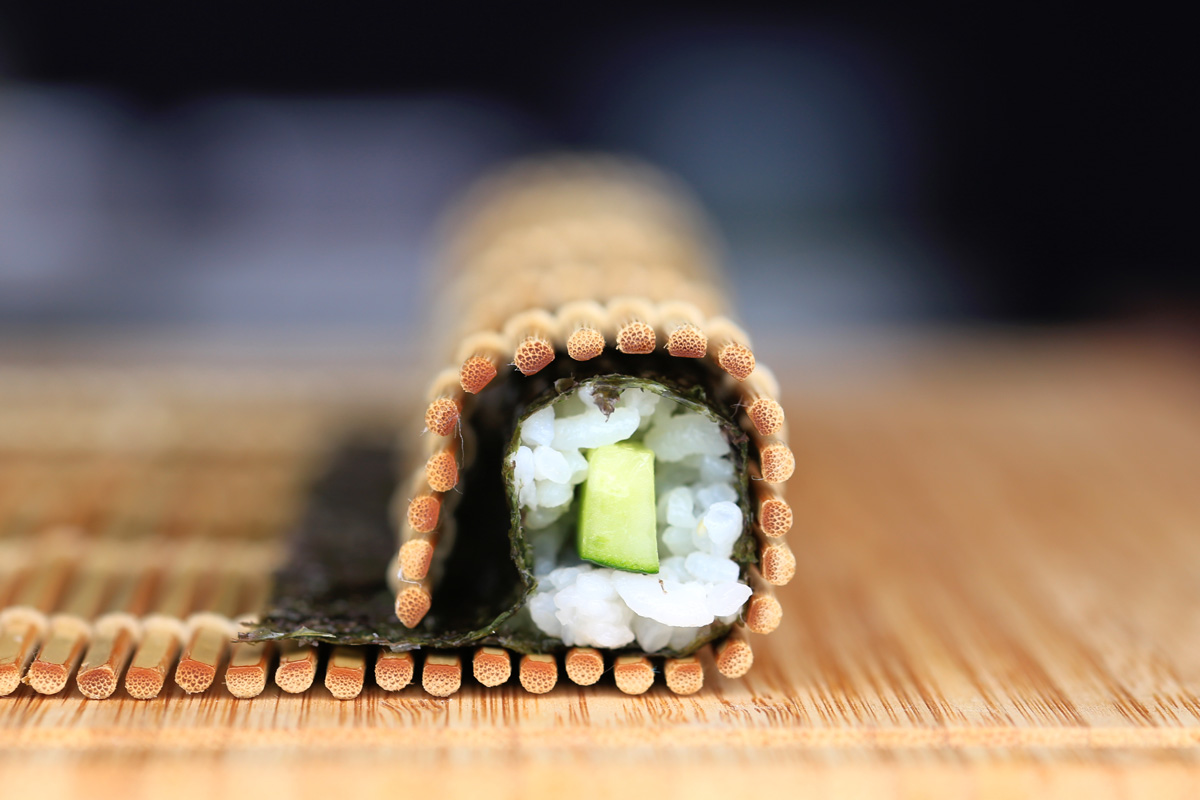
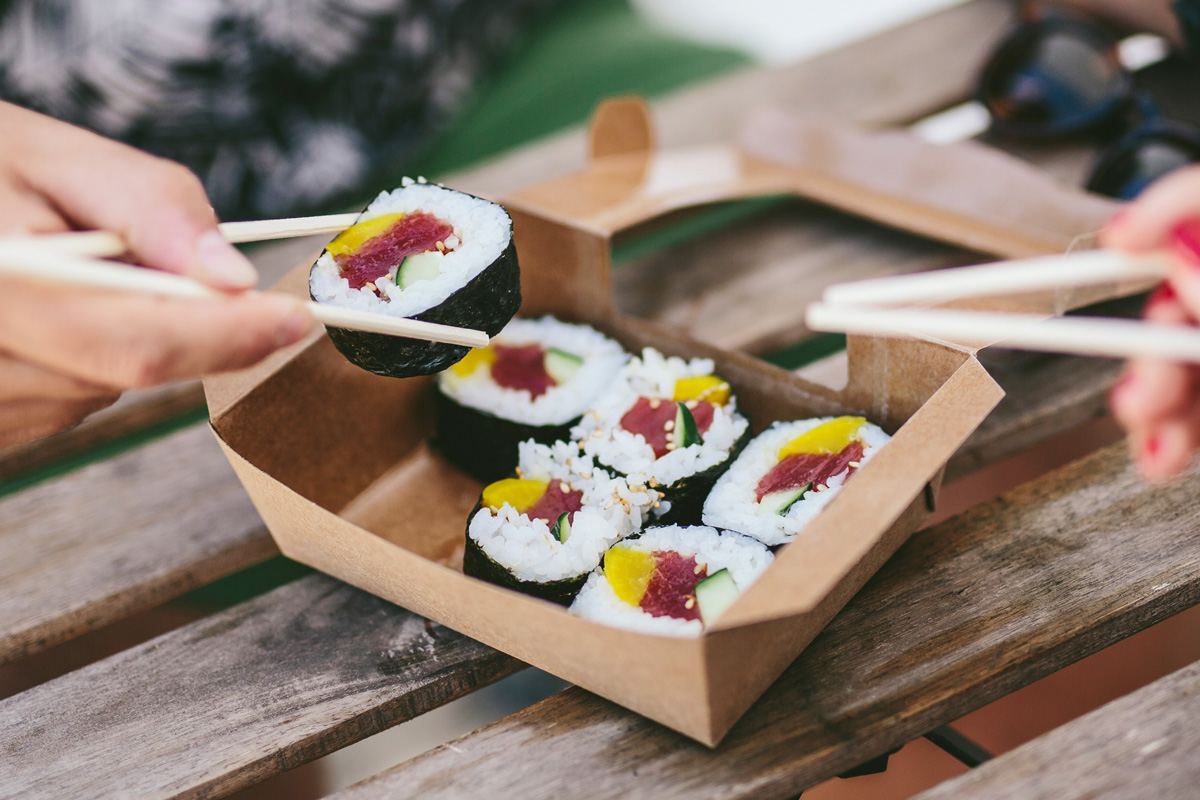
Makizushi – often shortened to maki – is the all-encompassing term for sushi rolls. Maki is rolled into long cylinders using a bamboo mat, then sliced into discs, though plenty of shops will sell them whole.
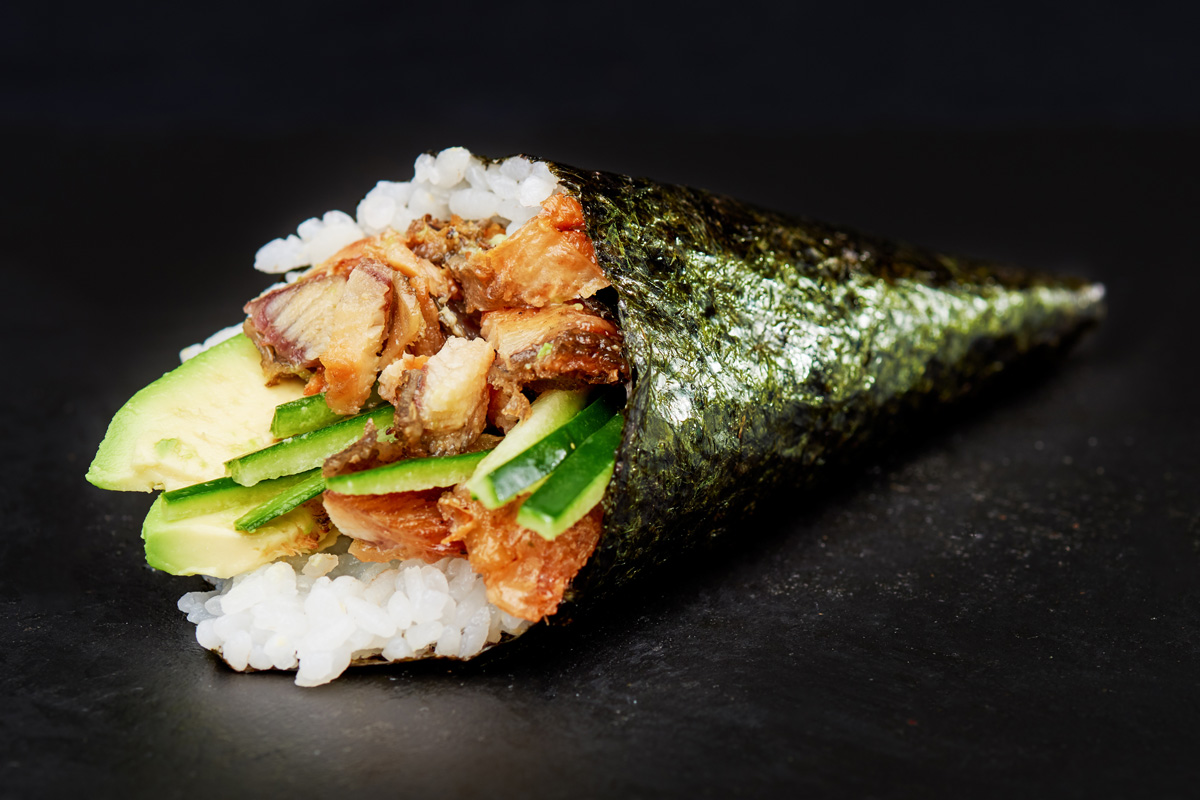
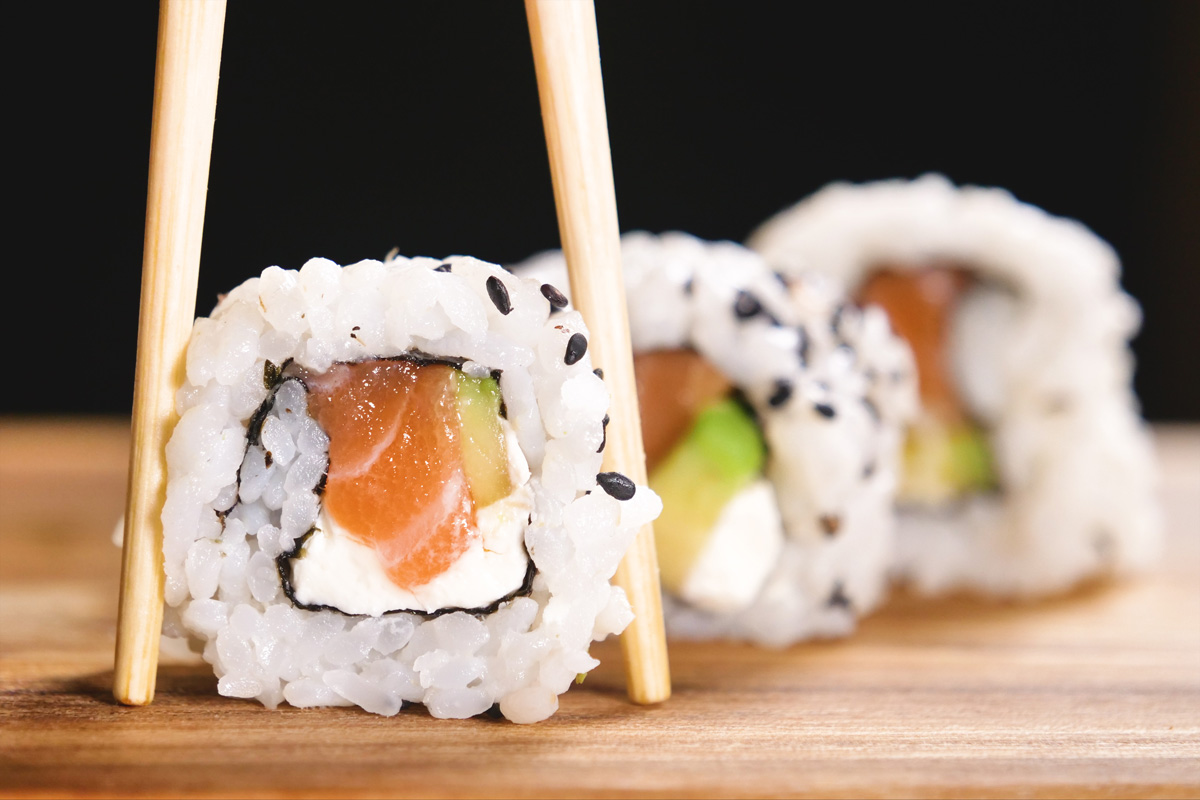
There are four different types of maki: hosomaki, futomaki, uramaki and temaki. With the exception of uramaki, most of these sushi rolls are wrapped in nori seaweed, although soy wrappers, omelette and translucent slices of cucumber are sometimes used too.
Discover how you can use traditional Japanese miso, panko breadcrumbs and matcha to create yummy modern delights!
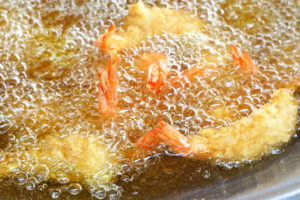
Make and savour the best homemade deep-fried foods with our handy guide!
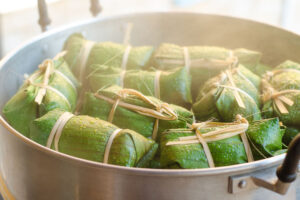
Come discover how leaf-wraps give Asian steam-cooked foods an extra tasty touch and other unique benefits!