
-300x200.jpg "Traditional Japanese Ingredients in Tasty Modern Wonders")
Traditional Japanese Ingredients in Tasty Modern Wonders
Discover how you can use traditional Japanese miso, panko breadcrumbs and matcha to create yummy modern delights!
Discover the authentic in Asian cuisine food
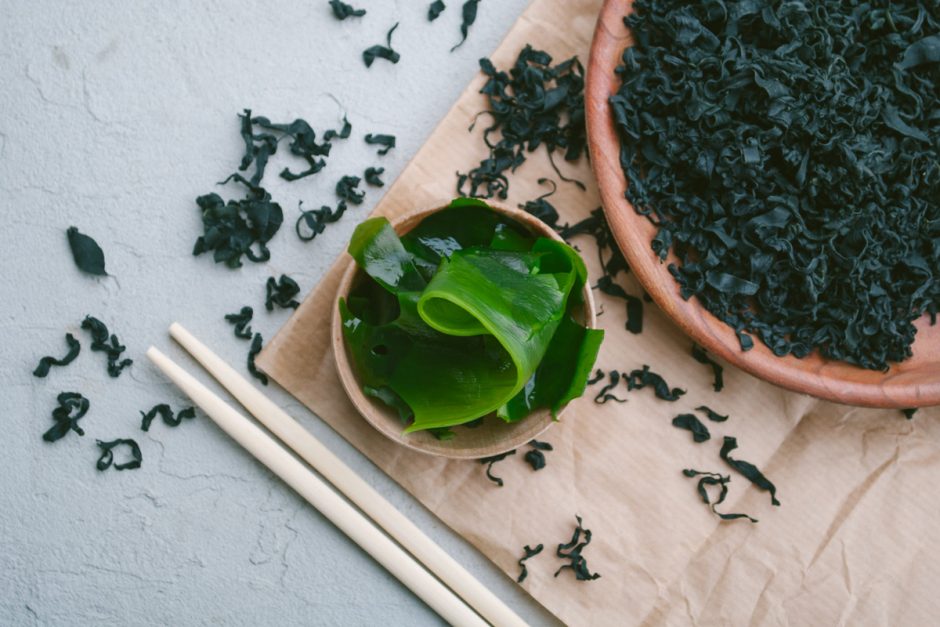
Given Australia’s love of Japanese food, most of us have consumed seaweed in some form, whether it’s wrapped around our sushi rolls or in our miso soup.
But did you know it’s been a daily staple throughout Asia for thousands of years? As well as Japanese, you’ll find it in Korean, Vietnamese, Malaysian and Filipino cuisines.
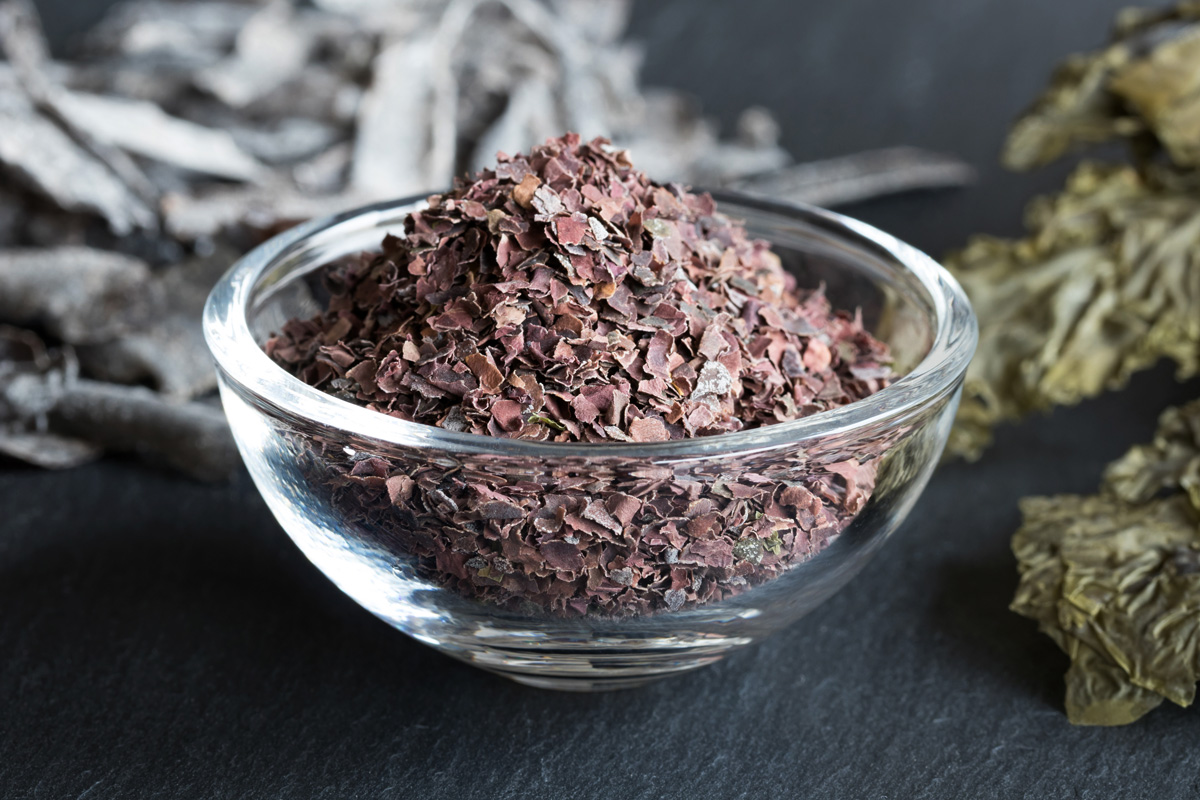
A type of algae that comes in red, green and brown, edible seaweed is from the sea—you can’t eat freshwater seaweed as it’s toxic. Edible seaweed comes in many forms and can be used in a variety of ways.
Edible seaweed is full of vitamins and minerals, including folate, calcium, magnesium, zinc, iron, selenium and iodine. However, if you’re prone to thyroid issues, care needs to be taken to ensure you don’t end up with too much iodine.
If you’re a vegetarian, seaweed is a great source of omega-3 fatty acids. It has high levels of antioxidants and has been shown to aid digestion. But, if you have digestive issues, avoid seaweeds that are high in carrageenan.
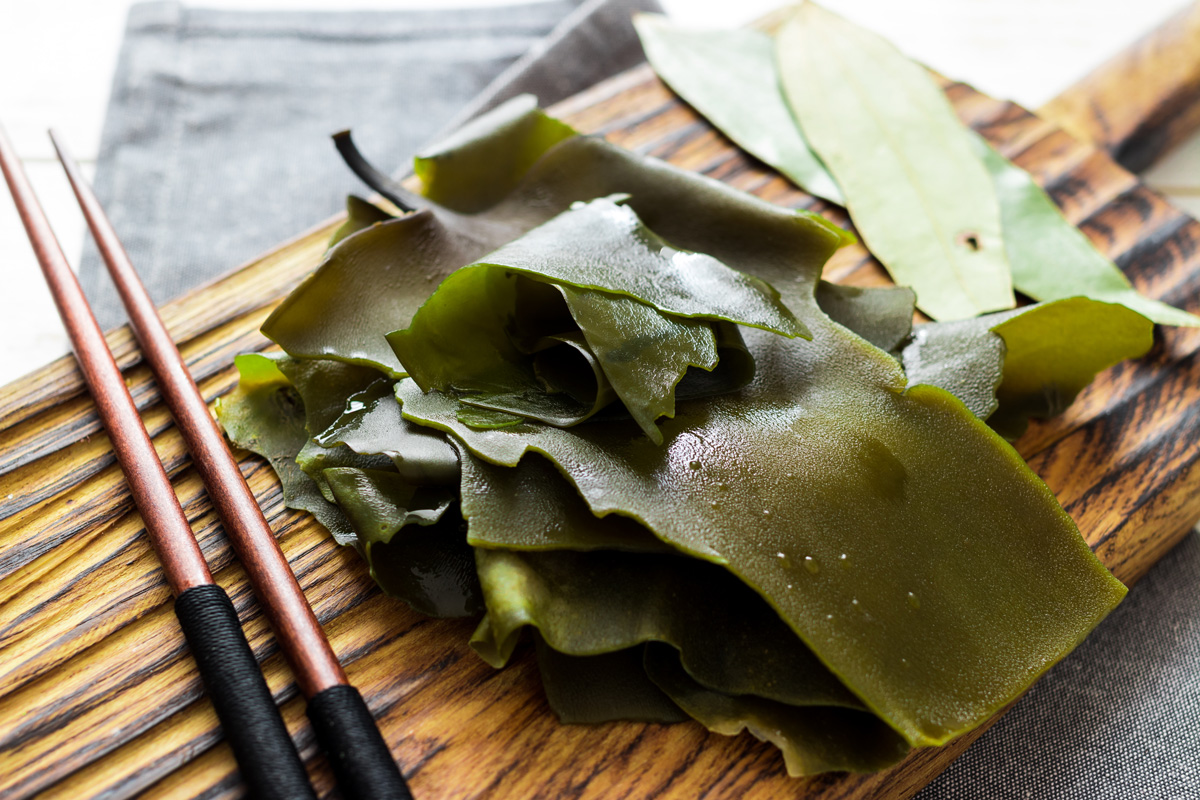
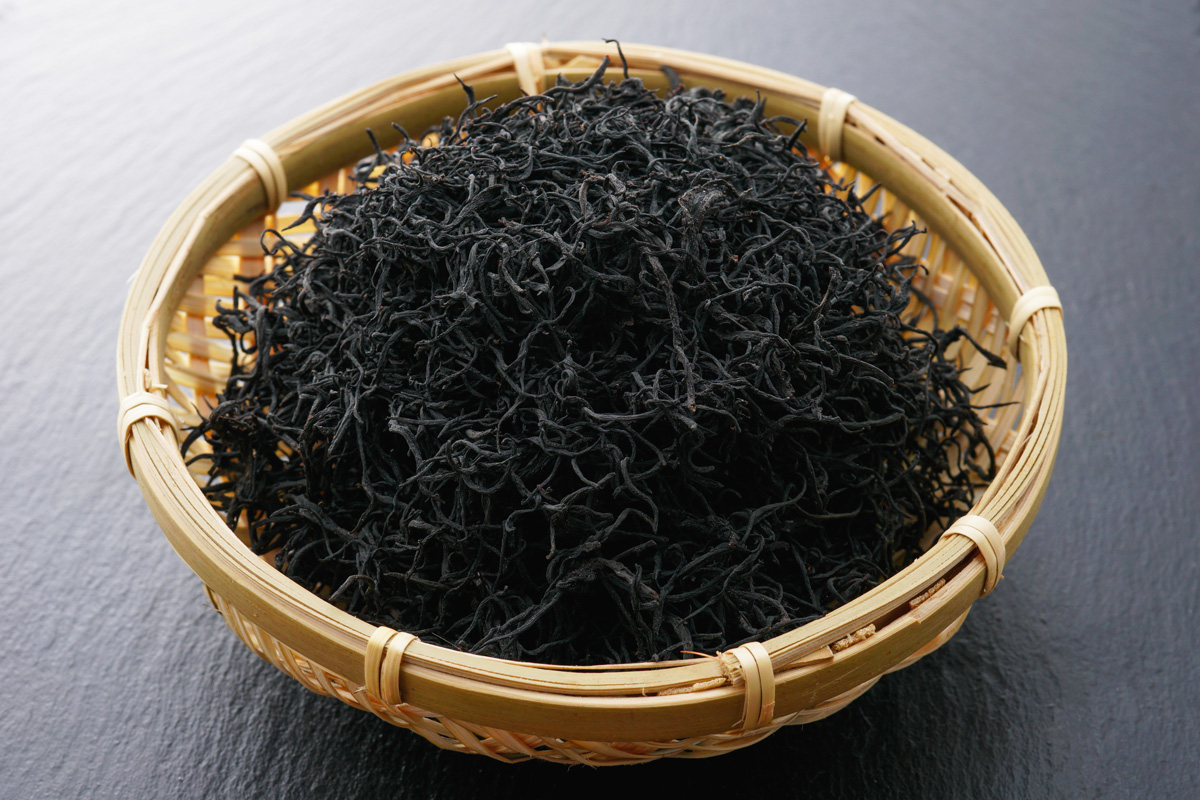
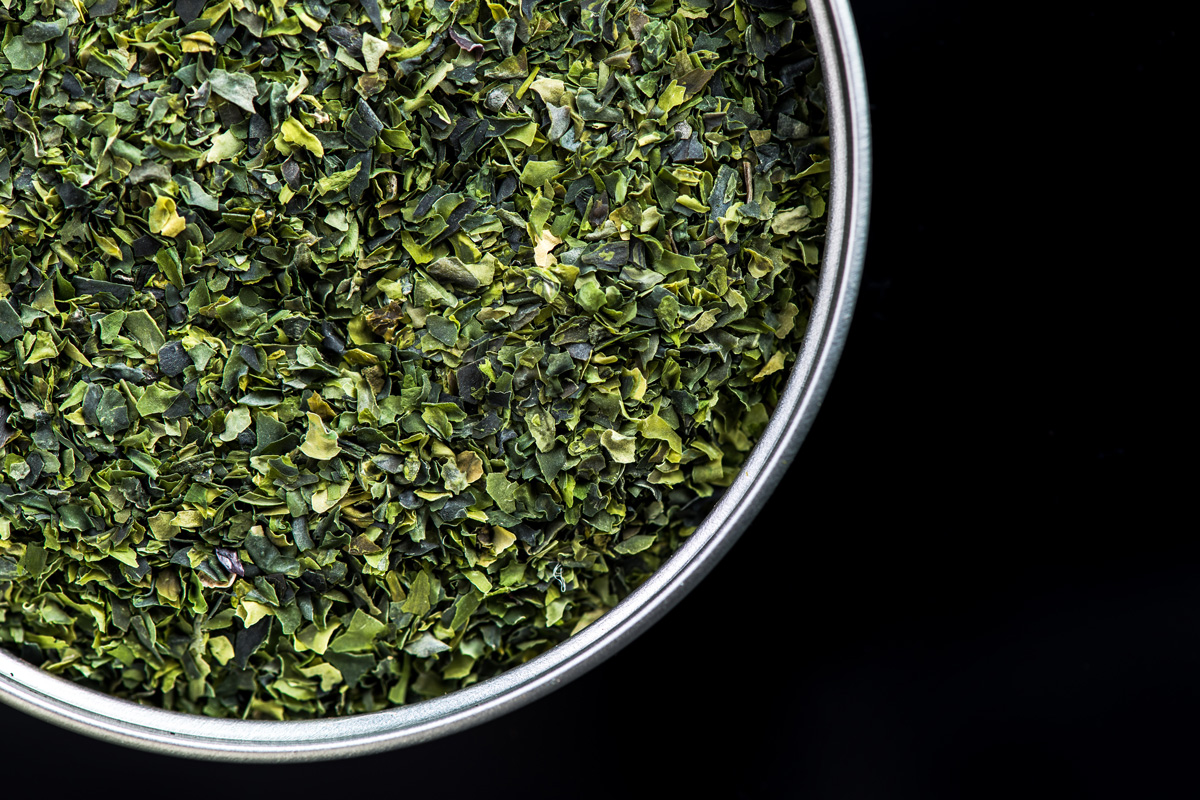
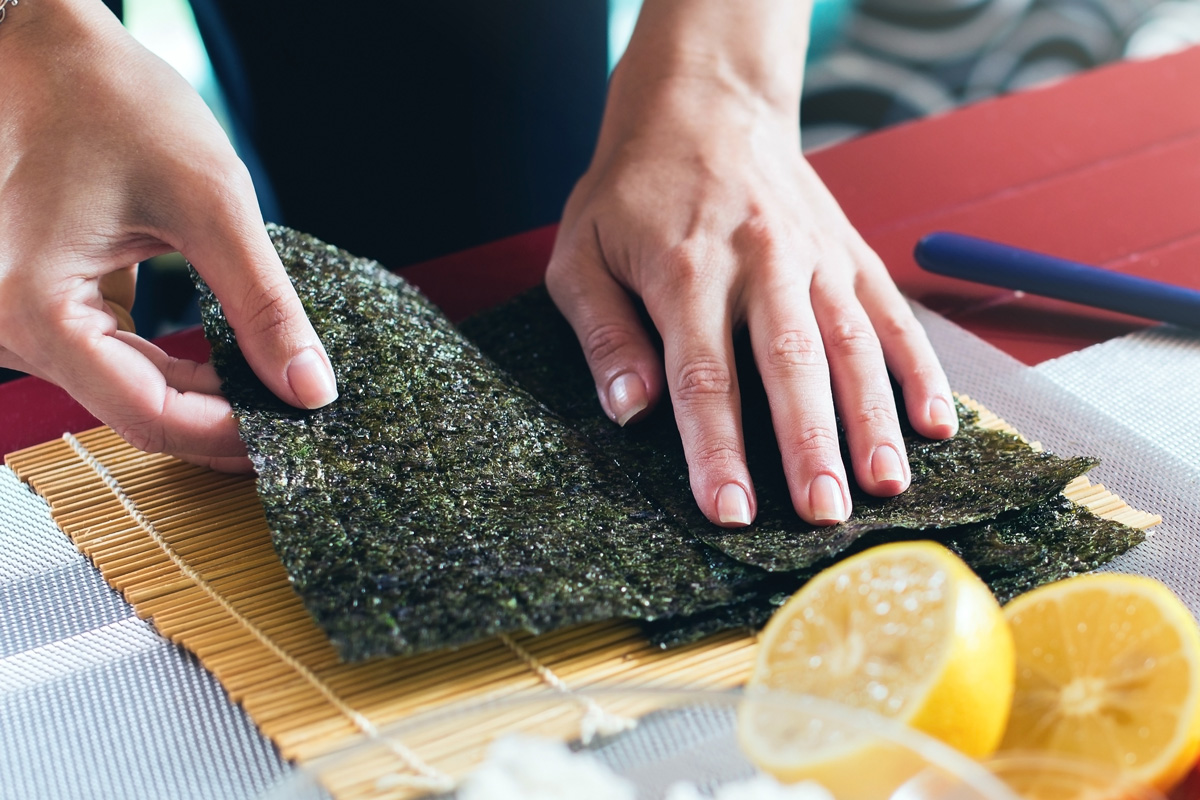
Discover how you can use traditional Japanese miso, panko breadcrumbs and matcha to create yummy modern delights!
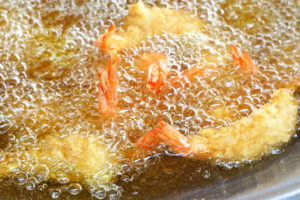
Make and savour the best homemade deep-fried foods with our handy guide!
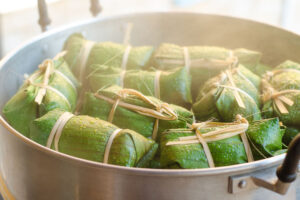
Come discover how leaf-wraps give Asian steam-cooked foods an extra tasty touch and other unique benefits!