

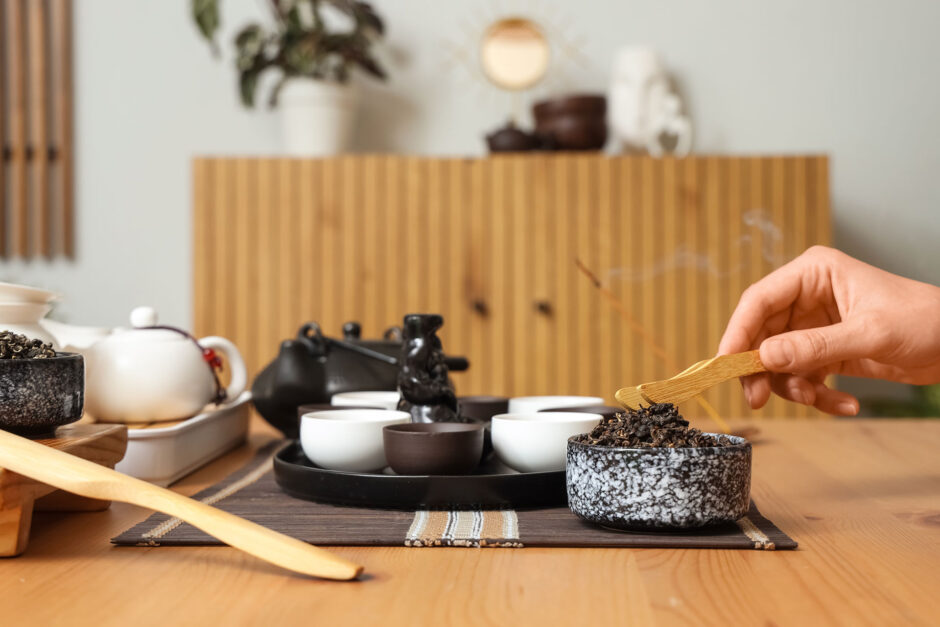
The gongfu – sometimes spelt kung fu – tea ceremony is a ritualised preparation and presentation of tea. Gongfu tea is thought to have originated in Fujian and the Chaoshan area of eastern Guangdong. It’s also one of the most aptly named ceremonies going around, with gongfu literally meaning “making tea with skill”. If you visit China you’ll find dozens of tea shops offering gongfu tea and it has become a popular cultural experience for visitors. However, tea connoisseurs continue to use the ceremony as a way to appreciate the flavour and aroma of fine tea.
The ceremony
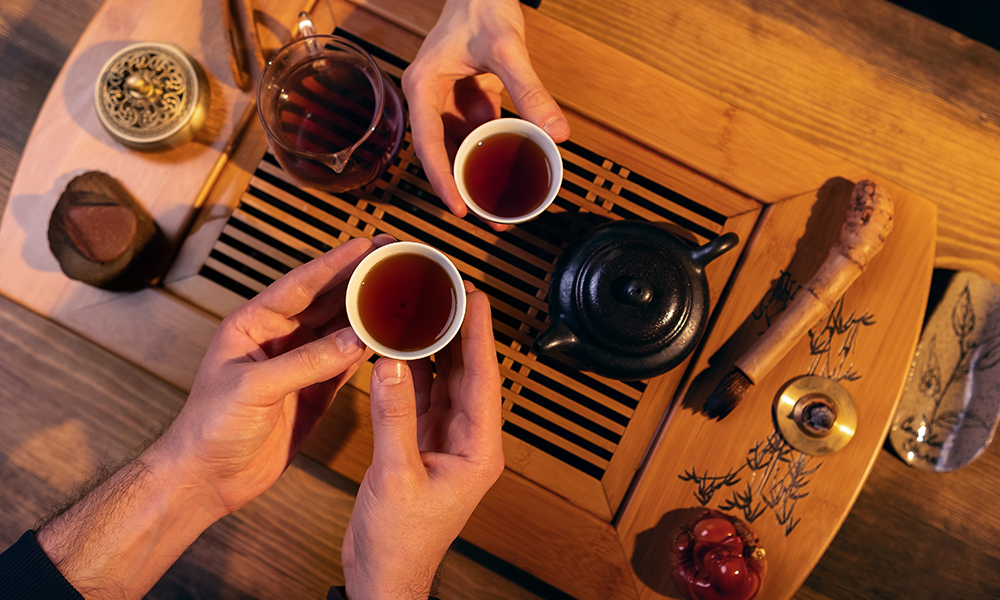
Like having a sommelier decant a fine bottle of wine, Gongfu tea is all about enjoying the process of making and drinking tea. It’s elevating “having a cuppa” into something special, and it all starts with the equipment.
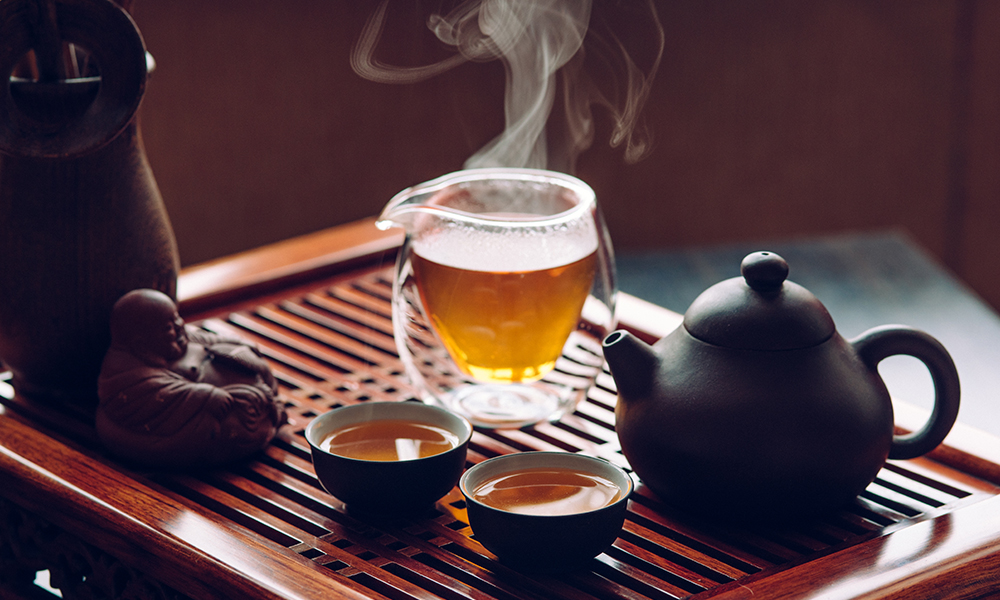
Gongfu tea sets typically feature small, often beautifully decorated teapots and cups. Next, you’ll need a “brewing tray” – essentially something to catch all the spillage. Then there’s the pitcher or tureen, which is used to decant the tea before serving. Strainers, tea tongs and tea towels are also common additions. For a more traditional touch, you may even find aroma cups, which are used to appreciate the tea’s fragrance before drinking.
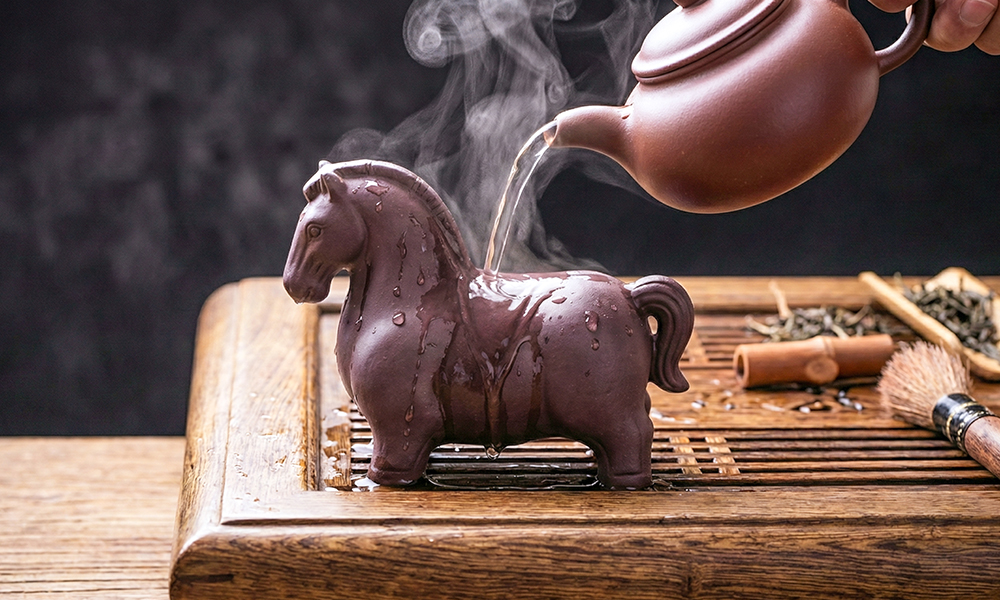
Temperature plays a very important role when it comes to brewing tea correctly, and the tea master will need to determine what is the appropriate temperature for the tea being used. This helps to extract the essential oils and true flavour of the tea. The temperature differs from tea to tea and tea master to tea master, but here’s a rough guide:
- 95°C for oolong tea
- 100°C (boiling) for compressed teas, such as pu-erh tea
Note: Green tea is less commonly prepared using the gongfu method.
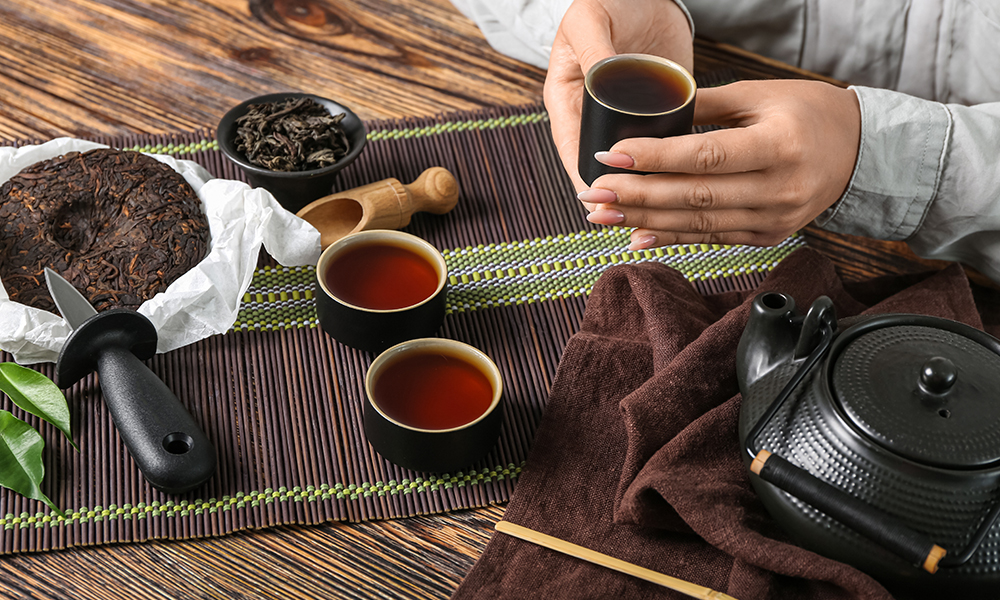
The brewing and serving of the tea are where the gongfu ceremony really comes to life. The tea master follows a precise sequence of steps, often accompanied by graceful, practised hand movements as they prepare and serve the tea. There are conventions around everything from how the cups are handled and placed to how the teapot is filled and poured. It may seem elaborate at first, but every step is designed to make the most of the tea – and it’s all part of the experience.

You must be logged in to post a comment.