

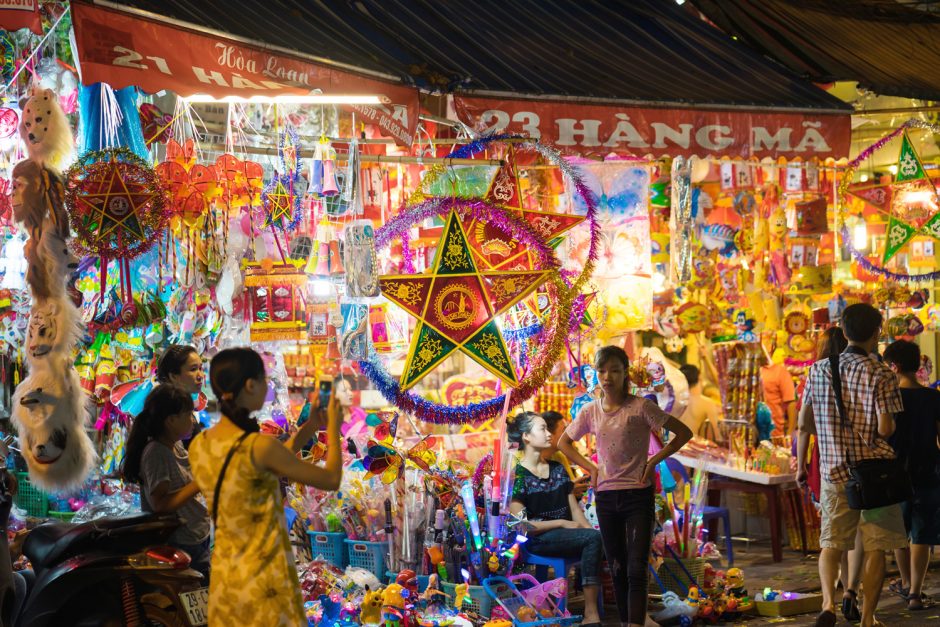
When it comes to celebrating the Moon Festival, Vietnam follows many of the traditions of China. Like China’s Moon Festival, it falls on the 15th day of the eighth lunar month, when the moon is said to be at its brightest. Mooncakes are exchanged, colourful dragon and lion dances take to the streets, and families gather to gaze at the moon. But there is one notable difference…
It’s all about the kids
In Vietnam, the Mid-Autumn Festival is also known as the Children’s Festival or Tết Trung Thu. This annual event has become the favourite day of the year for children in Vietnam, akin to Halloween in the United States. In days gone by, the Vietnamese believed that children represented innocence and purity in the natural world, and so with this in mind, they made children the focus of this auspicious time. Traditionally, it was also a way for parents to make up for lost time with their children, having spent many hours working during the busy harvest period.
Happy, Colourful Lanterns
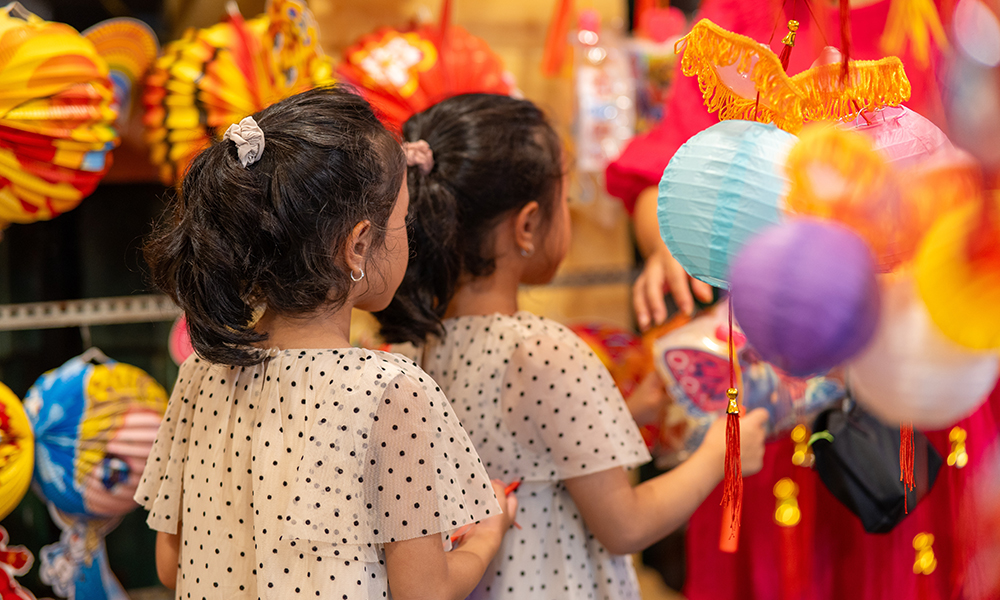
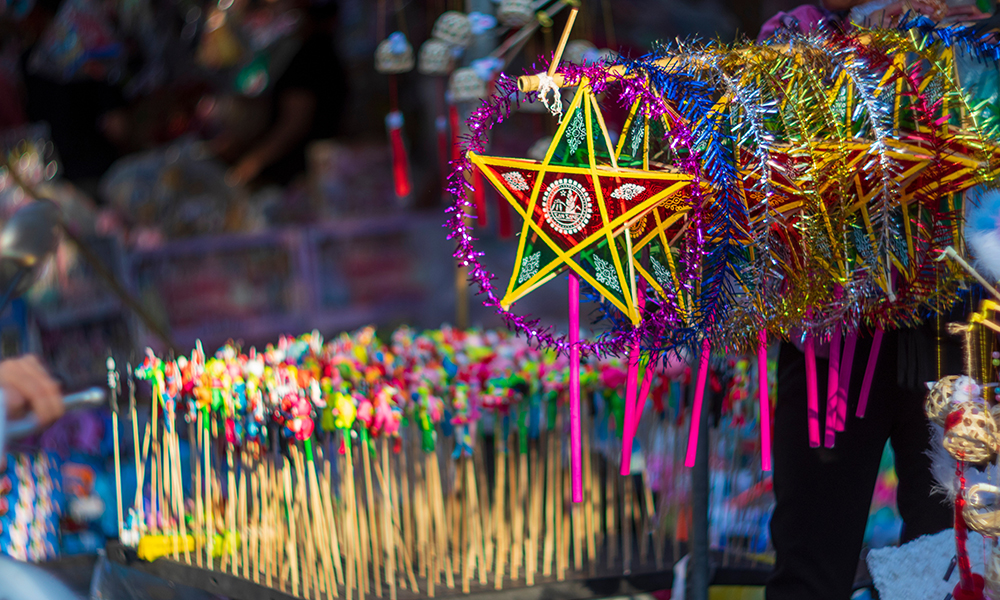
Tết Trung Thu is a lively and joyous festival with fun-filled kids-centred celebrations across all Vietnamese communities. The lantern parade is especially iconic. Throngs of happy children roaming and singing through the neighbourhoods with vibrant lanterns in hand. These lanterns come in a fabulous variety of shapes, colours and designs. Star, carp and butterfly are among the popular traditional motifs. Some families make their own handcrafted lanterns with the kids in the weeks leading up to the festival, while stalls filled to the brim with colourful creations grace local markets.
Boisterous Lion Dances
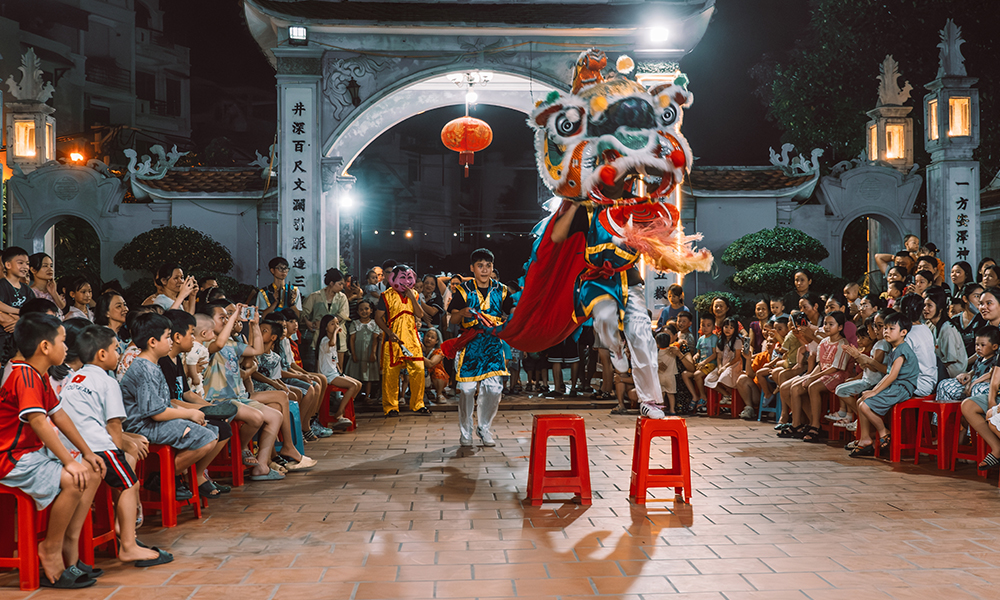
Also unique to Tết Trung Thu are evening lion dances performed to gathered crowds under the full moon. While lion dances are also performed during other Vietnamese festivals and celebrations, those held during Tết Trung Thu are closely associated with children and often have a playful, whimsical atmosphere, and often accompanied by a dancer with a big round laughing mask.
Tasty Vietnamese Mooncakes
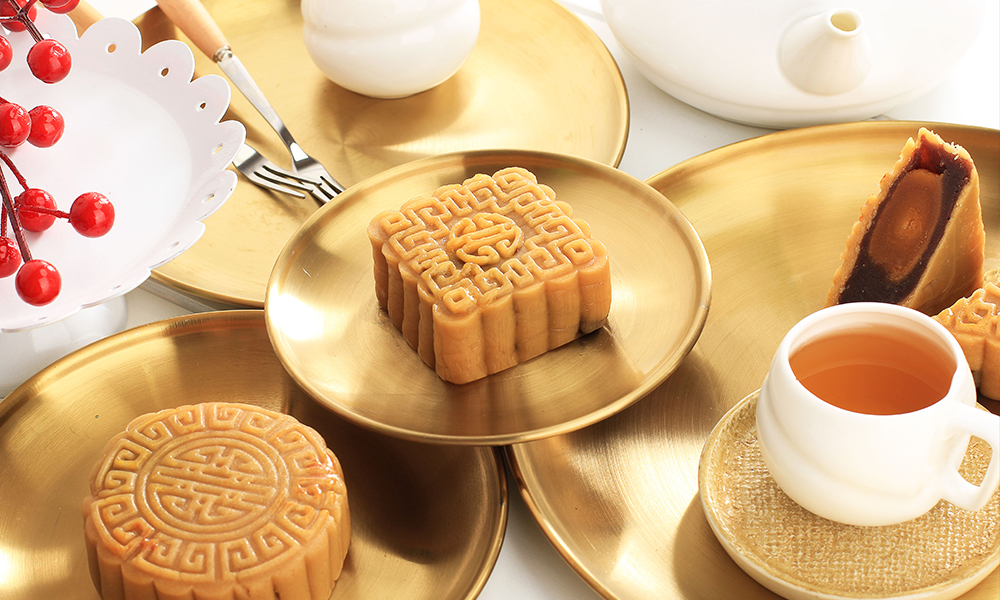
Similar to Chinese Moon Festival, mooncakes are a signature Tết Trung Thu celebration food as well. The two traditional Vietnamese mooncake flavours are Bánh nướng and Bánh dẻo.
Bánh nướng mooncake is made of a wheat flour dough, often sweetened with malt syrup, and stuffed with a hearty mixture that may include smoked sausages, lotus seeds, watermelon seeds, salted egg yolk, meat floss and other savoury goodies. Brushed with beaten eggs to form a thick crust as it’s baked in the oven to golden fragrance. Bánh nướng mooncakes are traditionally moulded into various shapes, with the square shape often associated with the earth.
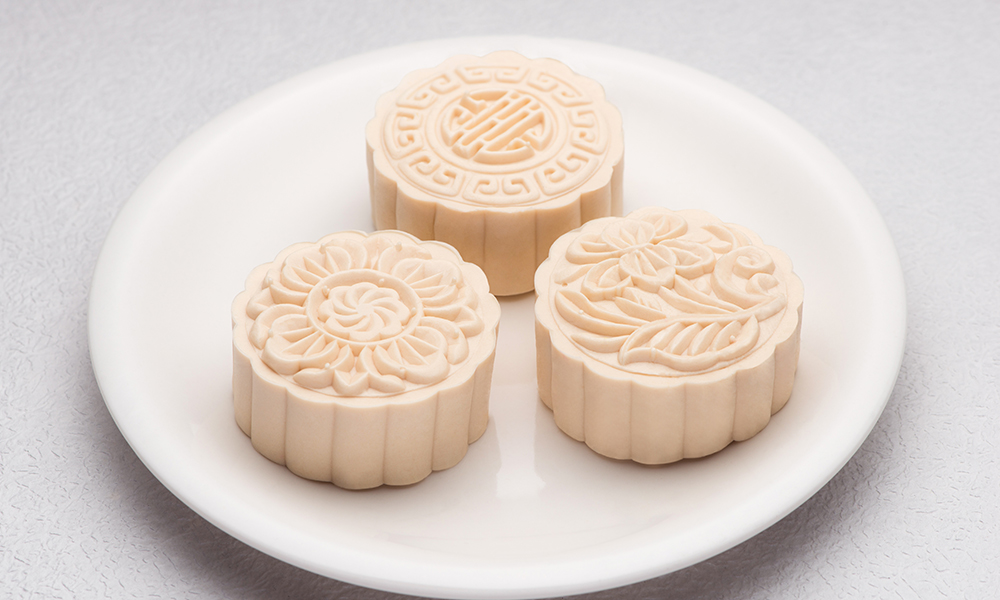
Meanwhile, Bánh dẻo mooncakes are round-shaped to represent the sky and the moon. They have a soft, chewy texture made from a roasted glutinous rice flour dough, and typically packed with a pre-cooked sweet filling of mung bean paste, nuts and lotus seeds.
It is a Tết Trung Thu ritual to place a five-fruit tray with mooncakes upon the ancestral altar under the full moon to pay tribute and respect, before the mooncakes are shared and savoured with the whole family. It’s also a cherished Vietnamese custom to exchange mooncakes as gifts among friends, colleagues and neighbours, often presented in sets of four mooncakes wrapped or boxed in beautiful, auspicious packages.
Nowadays, Vietnamese mooncakes have expanded to include a bevy of yummy crusts and fillings as well. Flavours can range from sweet jam and chocolate to different crunchy nuts, fruit jellies and more.
Vietnamese Moon Festival Legend
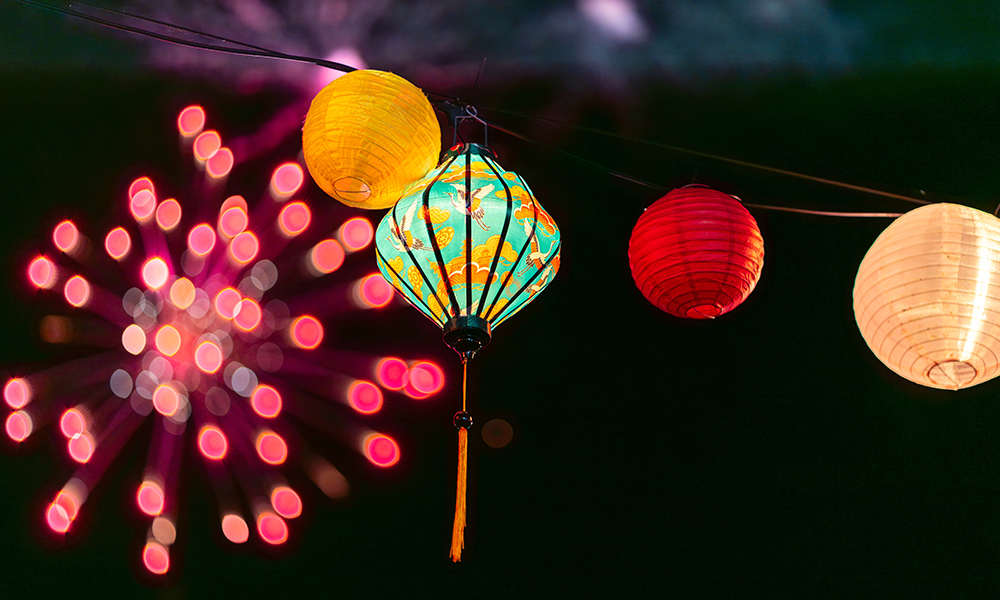
One of the most well-known Vietnamese legends relating to the Moon Festival is the Legend of Thằng Cuội. Cuội had a sacred banyan tree that could restore life. He always reminded his wife to water it with clean water, so it did not get exposed to contamination. However, one day the wife forgot to water the tree when Cuội was away and so she urinated on it. The tree began to grow incessantly and when Cuội tried to chop it down with an axe, he got stuck on the tree and floated upwards with it. Eventually, Cuội was stranded on the moon. Therefore, each year children light colourful lanterns to lead Cuội’s way back to Earth.
You must be logged in to post a comment.